
Selecting the right communion bread and wine set requires matching the vessel capacity, material durability, and design to your specific worship environment. A bustling parish church demands heavy-duty, large-capacity vessels that can withstand daily use and frequent cleaning. In contrast, a family preparing for a child’s First Communion often looks for a commemorative, beautifully crafted keepsake set, while a personal home altar benefits from compact, easily stored pieces designed for quiet, intimate devotion. By evaluating your typical congregation size, local liturgical guidelines, and the tropical climate’s impact on metal preservation, you can select a set that ensures both practical utility and proper reverence.
Assessing Your Liturgical Context and Congregation Size
For a parish church, the primary considerations are volume and durability. Daily Mass and Sunday liturgies involve frequent handling, meaning vessels must be robust enough to endure constant washing and movement without losing their finish. Chalices for parish use must hold sufficient wine for the congregation, and patens must be wide enough to distribute hosts efficiently during communion.
The frequency of your services also dictates the material choices. A parish holding multiple daily Masses requires heavy-duty metals like solid brass or sterling silver that can withstand constant handling. Conversely, a home altar set used weekly or during personal prayer times can prioritize lighter materials or simpler finishes, as it will not face the same rigorous wear and tear.
Products mentioned in this guide

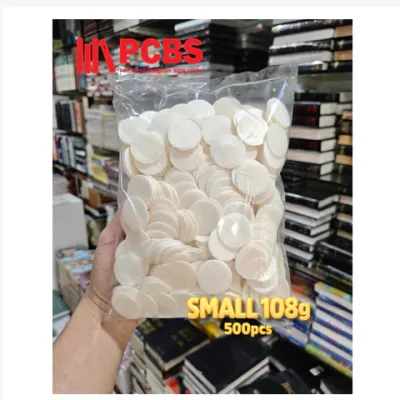
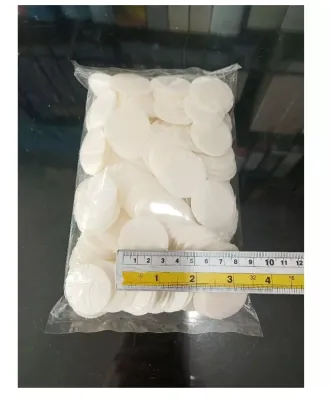
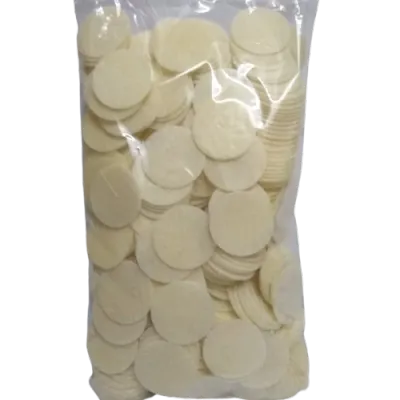
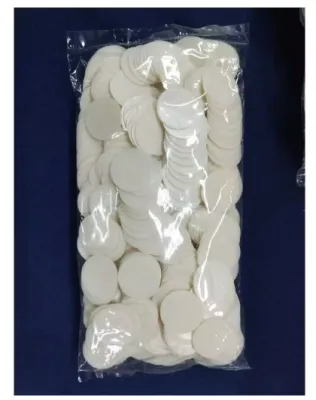
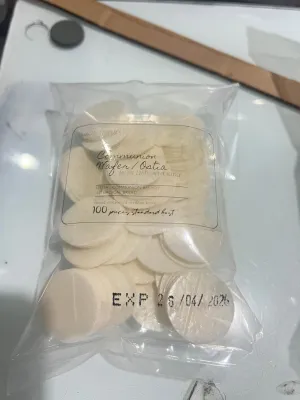
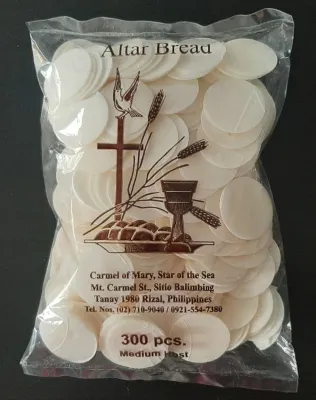
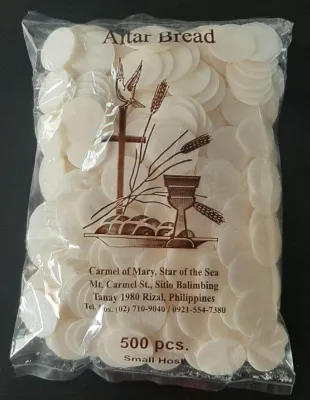
Prices are valid at publication and may change. Please refer to the product page for the latest price.
A First Communion set serves a dual purpose, balancing immediate liturgical use with long-term sentimental value. These sets are often scaled for a single child or a small family gathering rather than a large congregation. When selecting one, look for designs that can serve as a lasting keepsake, perhaps featuring classic symbolic engravings that commemorate this important milestone in a young Catholic’s spiritual journey.
Home altars require a much smaller, more intimate scale. Devotional spaces in a house or private chapel do not need large-capacity vessels, which can look disproportionate on a smaller table. Instead, prioritize compact chalices and patens that are easy to clean, store, and set up for private prayer or family devotions, ensuring they fit naturally within your dedicated home prayer space.
Evaluating Chalice and Paten Specifications
When reviewing chalice and paten options, always verify the manufacturer’s exact dimensions and volume capacities. A chalice that is too small will require frequent refilling, which can disrupt the flow of the liturgy, while an oversized chalice may be difficult to handle safely. Ensure the paten is wide enough to hold the required number of hosts securely without them overlapping or falling over the edge.

Additionally, check the physical height of the chalice to ensure it fits within your existing tabernacle, sacristy cupboard, or home altar cabinet. An unexpectedly tall chalice can present storage challenges, so measuring your storage spaces beforehand is a practical step that prevents post-purchase frustration.
Material composition is critical for both durability and liturgical compliance. Check the product labels and specifications to confirm the base metal and the interior lining of the vessels. Many diocesan guidelines require the inside of the chalice cup to be lined with gold or another precious metal; always consult your local parish or diocesan office to verify these requirements before purchasing.
The physical weight and ergonomics of the chalice play a significant role in the celebrant’s comfort. A chalice must have a stable, weighted base to prevent accidental tipping on the altar. It should also feel balanced in the hand, allowing the priest or minister to elevate and distribute the elements comfortably and securely throughout the service.
Selecting Cruets, Pyxes, and Storage Accessories
Cruets are essential for holding the water and wine before they are poured into the chalice. Look for glass or crystal cruets with secure, tight-fitting stoppers to prevent spills and protect the contents from dust. The pouring spout should offer excellent control, allowing for a clean, drip-free pour during the preparation of the gifts.
When choosing cruets, consider the material options. Glass or crystal cruets allow the server to easily distinguish between the water and the wine, which is highly practical during the liturgy. If you choose metal cruets, ensure they are clearly marked or engraved with “V” (for vinum/wine) and “A” (for aqua/water) to avoid confusion during the preparation.
A pyx or ciborium is used to store and protect the hosts. In tropical climates where high humidity is common, a secure, airtight seal is vital to protect the bread from moisture, softening, or pests. Ensure the capacity of your bread box or pyx aligns with your typical host count so that you do not overcrowd the vessel.
Consider whether your communion set will remain stationary or if it needs to travel. If you frequently bring communion to the sick, elderly, or homebound, look for a set that includes a sturdy, padded travel case or protective pouches. Stationary parish or home altar sets, on the other hand, can focus more on ornamental beauty and stable bases rather than compact portability.
Verifying Liturgical Guidelines and Maintenance Needs
Before finalizing any purchase for official parish use, always consult with your parish priest, liturgical director, or diocesan office. Different dioceses may have specific rules regarding acceptable materials, artistic styles, and the blessing of new sacred vessels. Verifying these details beforehand prevents costly mistakes and ensures the set fully respects local liturgical traditions.
Proper maintenance is essential to preserve the beauty and integrity of your communion vessels over time. High humidity can accelerate the tarnishing of metals like silver and brass. Always review the manufacturer’s cleaning instructions; most liturgical metals are not dishwasher-safe and must be hand-washed with mild, non-abrasive soap, rinsed thoroughly, and dried immediately with a soft, lint-free cloth to prevent water spots.
Environmental factors, particularly in coastal or highly humid regions, play a major role in how you store your vessels. Moisture in the air can cause rapid oxidation, leading to unsightly tarnish on silver and brass. Utilizing silica gel packets inside your storage cases or wrapping vessels in specialized tarnish-resistant cloth can significantly extend the time between polishings.
Over years of use, even high-quality vessels may show signs of wear, such as flaking gold plating, loose base screws, or deep tarnish. Do not attempt DIY repairs or use harsh industrial polishes, as these can permanently damage the delicate finishes. Instead, seek out a qualified liturgical metalworker or contact the original manufacturer to handle professional restoration and replating.
Frequently Asked Questions (FAQ)
Can a home altar set be used for a First Communion celebration?
Yes, a home altar set can be used, but you should first verify that its capacity matches the size of your gathering. While home sets are designed for quiet, private devotion, a First Communion celebration often involves extended family members. Ensure the chalice and paten can comfortably hold enough elements for everyone participating, and consider whether you prefer a dedicated commemorative set that the child can keep as a lifelong memento.
How should I clean and store a gold-plated chalice?
To clean a gold-plated chalice, always follow the manufacturer’s specific care label to avoid stripping the thin layer of gold. Generally, you should rinse the interior with clean water immediately after use, wash it gently by hand using a mild soap, and dry it completely with a soft microfiber cloth. Store the chalice in a dry, temperature-stable environment, preferably inside a protective flannel bag or a lined storage case, to shield it from humidity and dust.
Community discussion
Share your experience or ask a question. Comments are reviewed before publication.