
Quick Guide to Starting Your Catholic Reading Journey
Starting a spiritual reading practice is a deeply personal and transformative step. For beginners in the Philippines, navigating the vast array of religious literature can feel overwhelming. To begin, it is essential to understand the difference between a standard Bible book and a devotional book. A Bible contains the complete, divinely inspired sacred scriptures, while a devotional book offers structured daily reflections, prayers, and practical applications to help you contemplate those scriptures.
When selecting either, your first step should always be to look for official Catholic ecclesiastical approvals: the Imprimatur and the Nihil Obstat. These declarations, usually printed on the copyright page, ensure the text is free from doctrinal or moral error. By choosing an approved edition and setting realistic expectations, you can build a sustainable, lifelong reading habit that fits your daily routine.
How to Choose a Catholic Bible Edition
Selecting a Catholic Bible book requires understanding how the text has been translated and formatted. Unlike other Christian editions, a Catholic Bible must contain all 73 books of the biblical canon, including the seven Deuterocanonical books. To find an edition that speaks to you, you must navigate the spectrum of translation styles, which ranges from strict word-for-word accuracy to thought-for-thought clarity.
Products mentioned in this guide
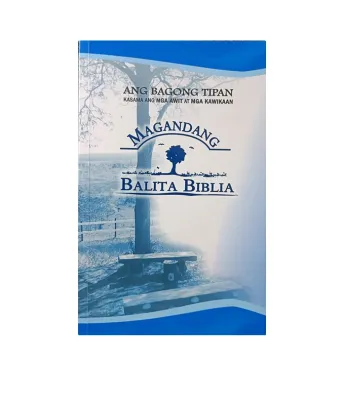
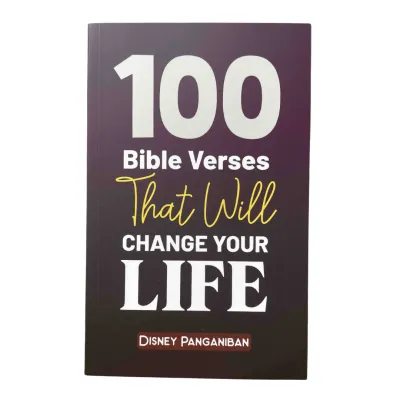
Prices are valid at publication and may change. Please refer to the product page for the latest price.

Common English Translations for Beginners
English translations of the Catholic Bible generally fall into two categories: formal equivalence and dynamic equivalence. Formal equivalence translations, such as the Revised Standard Version Catholic Edition (RSV-CE), focus on a literal, word-for-word translation of the original texts. This style is highly reliable for deep, academic study, though the sentence structures can sometimes feel formal or archaic to a modern reader.
Dynamic equivalence translations, such as the New American Bible Revised Edition (NABRE) or the Jerusalem Bible, prioritize a thought-for-thought translation. This approach results in a smoother, more natural reading flow that mirrors contemporary speech. The NABRE is particularly significant as it is widely used in liturgical readings, making it highly familiar if you regularly attend Mass.
Before committing to a specific translation, it is highly recommended to read a sample chapter online or browse a copy in a physical bookstore. Pay close attention to how easily your eyes glide over the text and whether the vocabulary resonates with your personal comprehension level. Testing the rhythm of the prose in a quiet setting will help you identify which translation will keep you engaged over the long term.
Study Bibles vs. Standard Editions
Once you have chosen a translation, you must decide between a study Bible and a standard edition. Study Bibles are packed with historical context, maps, archaeological notes, and extensive theological footnotes. These resources are incredibly valuable for beginners who want to understand the cultural and historical background of ancient texts without constantly looking up terms online.
However, these additional resources come with physical trade-offs. Study Bibles are significantly heavier, bulkier, and generally command a higher price in ₱ due to their size and specialized printing requirements. If you plan to carry your Bible to parish meetings, community gatherings, or during your daily commute, a heavy study Bible may prove impractical.
Standard, wide-margin, or journaling editions offer a lighter, more portable alternative. These editions strip away the dense commentary, leaving only the sacred text and basic cross-references. Wide-margin and journaling Bibles provide dedicated blank space on each page, allowing you to write down your personal reflections, prayers, and insights directly next to the passages that inspire you.
Finding the Right Devotional Book for Your Spiritual Goals
While the Bible provides the foundational word of God, a devotional book serves as a companion guide to help you apply those teachings to your daily life. The right devotional should align with your current spiritual goals, whether you want to learn how to pray, understand the liturgical seasons, or cultivate specific virtues. Choosing the correct format is key to maintaining consistency.
Daily Reflections vs. Thematic Guides
Daily reflection books are structured around the calendar year or the Catholic liturgical seasons. They typically feature a short scripture passage—often taken from the daily Mass readings—followed by a brief reflection and a closing prayer. This structure is highly effective for beginners because it provides a clear, bite-sized reading plan that requires only five to ten minutes of your day.
In contrast, thematic guides focus deeply on specific topics, such as the lives of the saints, Marian devotion, or structured prayer methods like Lectio Divina. These books do not necessarily follow a calendar and allow you to progress at your own pace. They are ideal if you want to spend several weeks or months focusing on a particular area of your spiritual growth, such as learning how to practice patience or navigating times of grief.
To choose between these formats, evaluate your daily routine and determine what will encourage long-term consistency. If you thrive on routine and want to feel connected to the global Church’s daily liturgy, a daily reflection book is an excellent choice. If you prefer deep-diving into specific spiritual topics without the pressure of a daily calendar, a thematic guide will suit you better.
Verifying Theological Alignment and Approvals
Because devotional books are written by various authors, verifying their theological alignment with Catholic teaching is critical. Always check the copyright page for the Nihil Obstat (which means “nothing stands in the way” of publication) and the Imprimatur (which is the official ecclesiastical permission to print). These approvals indicate that a Catholic bishop has reviewed the content and found it doctrinally sound.
Be cautious of self-published books or materials found on unverified online platforms that mix Catholic terminology with private revelations that have not been approved by the Church. Some books may inadvertently introduce teachings that contradict Catholic doctrine or promote superstitious practices. Ensuring your reading material is orthodox protects your spiritual formation from confusion.
If you are ever unsure about the theological safety of a specific devotional book, do not hesitate to ask for guidance. You can consult a parish priest, a spiritual director, or the knowledgeable staff at a reputable Catholic diocesan bookshop. They can quickly verify the book’s credentials and recommend reliable alternatives that align with authentic Catholic tradition.
What to Check Before Buying Religious Books in the Philippines
When purchasing a Bible book or devotional in the Philippines, physical specifications require careful inspection, especially when ordering from online marketplaces. Book covers and product titles can be misleading, and they do not guarantee the interior content. Always read the product description carefully to verify the exact translation, language, and whether the edition contains the complete Catholic canon.
The tropical climate of the Philippines also demands practical consideration regarding book construction. High humidity can cause cheap paper to warp, yellow, or grow mold, and it can degrade low-quality adhesives used in perfect-bound paperbacks. For long-term durability, look for Bibles with sewn bindings (Smyth-sewn) rather than glued bindings, as they allow the book to lie flat and prevent pages from falling out over time. Synthetic leather (often labeled as Flexiback or TruTone) or hardcover options generally resist humidity better than standard paperbacks.
To ensure you are receiving an authentic, complete, and high-quality text, purchase directly from authorized Catholic publishers, local diocesan bookshops, or reputable online sellers. Pirated or unauthorized reprints are common on major e-commerce platforms; these copies often suffer from missing pages, illegible printing, and typographical errors that can distort the meaning of scripture. Checking the publisher’s name and verifying the 13-digit ISBN against official catalog listings is a reliable way to confirm authenticity.
Finally, consider the practical needs of the reader. If you are purchasing a Bible for an older family member, prioritize large-print or giant-print editions to reduce eye strain, even if the book is heavier. If you travel frequently or commute via public transportation, a compact, zippered edition with a durable synthetic cover will protect the pages from dust, rain, and wear inside your bag.
Practical Tips for Beginners to Build a Daily Reading Habit
Building a consistent reading habit requires starting with small, achievable goals rather than attempting to read for hours at a time. Commit to reading just one chapter of your Bible book or a single page of your devotional each day. Setting a low barrier to entry prevents overwhelm and makes it much easier to maintain consistency, even on your busiest days.
To anchor your new habit, pair your reading with an existing daily routine, a method known as habit stacking. For example, you can read your daily devotional while drinking your morning coffee, or open your Bible immediately after dinner before turning on any screens. By linking the new habit to an established trigger, you leverage your existing routines to build momentum.
Finally, keep a simple notebook or journal next to your reading space. Writing down a single sentence, a question, or a prayer based on what you read helps cement the teachings in your mind. These written reflections are incredibly valuable to look back on over time, and they provide concrete points of discussion if you ever meet with a spiritual director, a parish priest, or a local Bible study group.
Frequently Asked Questions (FAQ)
Do I need a specific Catholic Bible, or can I use any Christian Bible?
You should use a specific Catholic Bible because it contains the complete 73-book canon recognized by the Catholic Church. Non-Catholic Bibles typically contain only 66 books, omitting the seven Deuterocanonical books (such as Tobit, Judith, Wisdom, and Maccabees) and portions of Esther and Daniel. Additionally, an official Catholic Bible includes explanatory footnotes and study guides that have received an Imprimatur, ensuring that the interpretations and historical notes align with Catholic theological tradition.
Are digital Bible apps acceptable for daily Catholic reading?
Yes, approved digital Bible apps are highly acceptable and offer excellent convenience for reading on the go, accessing audio versions during your commute, or quickly searching for specific passages. However, physical books are often preferred for dedicated prayer times because they eliminate screen distractions, notifications, and eye strain. A physical Bible book also makes it much easier to flip between pages, highlight passages, and write personal reflections in the margins, fostering a more focused and contemplative environment.
How do I know if a devotional book is suitable for a beginner?
A beginner-friendly devotional book typically features clear, accessible language, short daily passages, and practical real-life applications rather than dense theological jargon. Look for books that provide brief historical or cultural context where necessary and avoid advanced mystical treatises or complex theological commentaries when starting out. Choosing a devotional with a structured, step-by-step layout will help you build confidence and consistency before you transition to more advanced spiritual literature.
Community discussion
Share your experience or ask a question. Comments are reviewed before publication.