
Selecting the right edition of the Catechism of the Catholic Church depends on your personal study goals, reading habits, and how you plan to apply these teachings in your daily life. For comprehensive theological research, teaching, or formal parish leadership, the full Standard English Edition is the essential reference. If you require a quick, accessible summary for daily reflection or confirmation preparation, the Compendium offers a concise question-and-answer format. Younger readers and youth groups will find the highly visual and contemporary Youth Catechism (YouCat) most engaging, while those involved in local parish ministries or family devotions may benefit most from a localized Filipino language edition.
By understanding the structural differences, target audiences, and physical formats of each version, you can choose a volume that serves as a durable and practical companion for your spiritual journey.
Quick Guide: Matching Catechism Editions to Your Study Goals
Every reader approaches the study of faith with a unique set of objectives, background knowledge, and time constraints. Rather than choosing an edition based solely on general popularity, matching the book’s structure to your specific reading context ensures that the text remains a practical, frequently used resource rather than an intimidating volume on a shelf.
Products mentioned in this guide
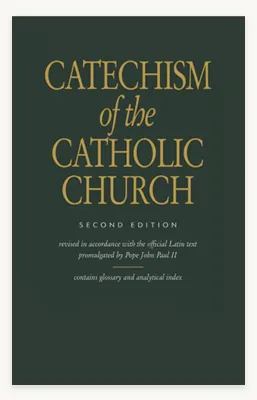
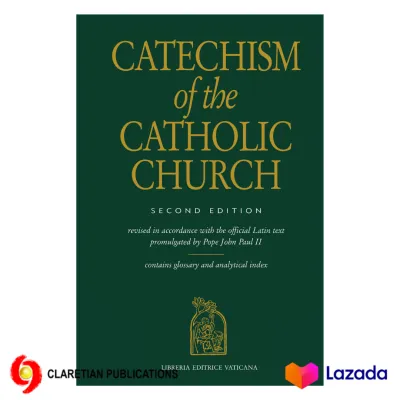
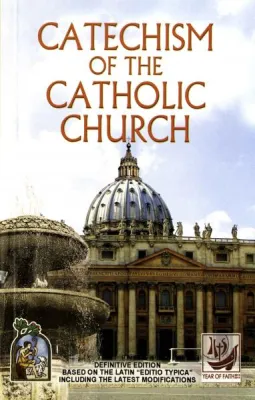
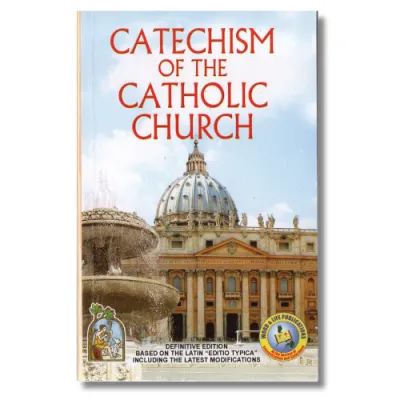
Prices are valid at publication and may change. Please refer to the product page for the latest price.
For deep theological study, academic research, or preparing to teach others, the Standard English Edition is the only version that provides the complete, unabridged text with full cross-references and historical citations. This edition is best suited for quiet, systematic study at a desk where you can lay the book flat and follow the extensive footnotes.
If your primary goal is rapid doctrinal reference, quick clarification of specific teachings, or structured memorization, the Compendium of the Catechism of the Catholic Church is the most efficient choice. Its compact size and direct layout make it ideal for busy professionals, catechists looking for quick lesson outlines, or families discussing the faith around the dinner table.
For teenagers, young adults, and those leading youth ministries, the Youth Catechism (YouCat) is specifically designed to bridge the gap between ancient teachings and modern daily life. It works exceptionally well in classroom settings, youth group discussions, and personal reflection times for those who prefer a highly visual, conversational approach.
When participating in local parish communities, basic ecclesial communities, or family prayers where the local language is preferred, a Filipino language edition is invaluable. Reading theological concepts in your mother tongue can foster a deeper, more intuitive understanding of the doctrines and make communal study sessions more inclusive and participatory.
Comparing the Main Editions of the Catechism
While every approved edition of the Catechism of the Catholic Church shares the exact same core doctrine, the way this information is organized, simplified, and presented varies significantly across the different versions. Understanding these structural and thematic differences will help you identify which format aligns best with your learning style.

The Standard English Edition
Target Audience This edition is designed for adults, theologians, seminarians, candidates in the Rite of Christian Initiation of Adults (RCIA), and parish leaders who require the complete, uncompromised depth of Catholic doctrine.
Structure The text is organized systematically around the four traditional pillars of catechesis: the Profession of Faith (the Creed), the Celebration of the Christian Mystery (the Sacraments and Liturgy), Life in Christ (Christian Morality and the Commandments), and Christian Prayer (focusing on the Lord’s Prayer). It features an intricate system of paragraph numbers, extensive scriptural footnotes, citations from the Church Fathers, and references to historical ecumenical councils and papal encyclicals.
Limitations The dense, academic language and substantial physical size of the Standard Edition can be overwhelming for casual readers or younger students. It is not designed for quick, casual reading, and navigating its deep theological arguments requires a degree of patience and familiarity with formal religious terminology.
The Compendium
Target Audience This version is ideal for busy adults, confirmation candidates, and anyone seeking a clear, straightforward summary of the faith that can be easily digested in short reading sessions.
Structure The Compendium adopts a direct question-and-answer format, synthesizing the 2,865 paragraphs of the standard text into 598 concise exchanges. It retains the essential four-pillar structure of the main Catechism but strips away the dense academic discussions and extensive footnotes, replacing them with clear, definitive statements. Many editions also feature classical sacred art to encourage prayerful contemplation, alongside a collection of common Catholic prayers in both English and Latin.
Limitations Because it is a synthesis, the Compendium lacks the deep theological nuance, historical context, and extensive scriptural cross-referencing found in the full text. It cannot serve as a primary source for advanced academic research or canonical studies.
Youth Catechism (YouCat)
Target Audience Specifically developed for teenagers, high school students, and young adults, this edition is also highly valued by youth ministers and catechists working with younger demographics.
Structure YouCat presents the teachings of the Church in a simplified question-and-answer format, accompanied by contemporary language, colorful graphics, and illustrative stick-figure drawings. The margins are filled with inspiring quotes from saints, philosophers, and writers, alongside concise definitions of difficult theological terms. Despite its informal presentation, it is fully authorized and maintains strict doctrinal accuracy.
Limitations The highly stylized layout and simplified explanations make it unsuitable for formal academic writing, seminary training, or official parish administration reference. Older readers or those seeking a traditional, formal study experience may find the modern graphics and simplified tone distracting.
The Filipino Language Edition
Target Audience This edition is tailored for Filipino-speaking families, local parish study groups, catechists working in community-based ministries, and individuals who find that theological concepts resonate more deeply when read in their native language.
Structure The text translates the universal doctrines of the Church into clear, culturally resonant local phrasing while carefully preserving the official dogmatic terminology. It is designed to integrate seamlessly into local parish life, helping to connect universal Church teachings with local devotional practices and cultural realities.
Limitations Print availability for localized translations can fluctuate significantly in local bookstores. Readers must be diligent in verifying the specific publisher, translation approvals, and publication year to ensure they are purchasing an accurate, fully authorized version of the text.
Essential Specifications to Verify Before Purchase
Before purchasing a copy of the Catechism, it is important to look beyond the cover design and verify several practical specifications. These details ensure that the book you receive is accurate, complete, and physically suited to your reading environment.
- Edition and Translation Year: The Catechism has undergone minor updates since its initial release. Most notably, in 2018, Pope Francis ordered a revision to paragraph 2267 regarding the teaching on the death penalty. When purchasing a standard edition, check the copyright page or product specifications to confirm that the print run includes this latest official revision.
- Format and Binding: Consider where and how you will use the book. Hardcover editions are highly durable and ideal for long-term library storage, but they are heavy and less portable. Paperback editions are lighter and more cost-effective, but they are highly susceptible to wear, especially in warm, humid tropical climates where pages can easily warp, yellow, or develop mold if not stored in a well-ventilated area. Synthetic leather or vinyl-bound editions offer an excellent balance of durability, flexibility, and resistance to moisture.
- Publisher Authenticity: Ensure the edition you select is printed by an authorized publisher. Official editions will carry the Imprimatur (the official declaration by a bishop that the book is free of doctrinal or moral error) and the Nihil Obstat (the statement by a church censor that nothing stands in the way of publication) on the copyright page. These markings guarantee that the text is an authentic representation of Catholic teaching.
- Index and Cross-References: A high-quality print run of the Standard Edition should include a comprehensive analytical index and a glossary. The analytical index is an invaluable tool for serious study, allowing you to track specific topics, virtues, or historical figures across all four pillars of the text. Some cheaper or abridged printings omit these reference tools to save space, which significantly limits the book's utility for research.
Sourcing Authentic Copies in the Philippines
Finding an authentic, high-quality copy of the Catechism requires choosing reliable retail channels. Because religious texts are frequently targeted by unauthorized printers, taking a few precautionary steps will ensure your purchase supports authorized publishers and contains the complete, unaltered text.
To guarantee authenticity, purchase your copy from established Catholic bookshops, diocesan media centers, or official parish offices. Well-known religious retail chains and physical stores operated by religious congregations are the most reliable sources for authorized prints. These retailers source their inventory directly from approved publishers, ensuring that the books contain all necessary ecclesiastical approvals.
When shopping on online marketplaces or ecommerce platforms, exercise caution. Avoid listings from unverified third-party sellers, especially those offering heavily discounted prices or generic product descriptions. Unauthorized reprints, photocopied bootlegs, and low-quality digital scans often suffer from missing pages, illegible text, poor binding that falls apart quickly in humid weather, and the complete omission of critical footnotes and indices.
Before finalizing any purchase, always inspect the copyright page. Look for the official publisher details, a valid ISBN, and the printed names of the authorities who granted the Imprimatur and Nihil Obstat. If you are purchasing a digital version, stick to official e-book platforms or authorized applications provided directly by the Vatican or recognized episcopal conferences, rather than downloading unverified PDFs from public file-sharing websites.
Frequently Asked Questions (FAQ)
Do I need to buy the standard edition if I already have the Compendium?
While the Compendium is an excellent tool for quick reference and daily review, it is not a complete replacement for the Standard Edition. The Compendium provides brief, direct answers to complex questions, but it omits the extensive scriptural proofs, historical context, and deep theological explanations that define the full text.
If you are transitioning into a role that involves teaching, leading parish study groups, participating in apologetics, or engaging in deep personal study, upgrading to the Standard Edition is highly recommended. Having both editions allows you to use the Compendium for rapid lookups and the Standard Edition for exploring the deeper theological foundations behind those answers.
Is the digital version as reliable as the printed book?
Official digital versions of the Catechism are highly reliable and offer distinct advantages, such as instant keyword searchability, portable access on multiple devices, and active hyperlinks that allow you to jump directly between cross-referenced paragraphs. Reading the text on official church websites or through authorized mobile applications ensures you are accessing the most up-to-date, approved translation.
However, digital reading also comes with challenges, such as screen fatigue and the potential for digital distractions. Furthermore, relying on digital files requires compatible devices and a stable power source. For long-term study, reference, and personal devotion, many readers find that a physical, printed book provides a more focused, contemplative reading experience that is immune to technology failures or digital file corruption.
Community discussion
Share your experience or ask a question. Comments are reviewed before publication.