
Selecting the right block rosary booklet is essential for fostering a meaningful, organized, and participatory prayer environment in your community. Because a block rosary involves moving an image of the Blessed Virgin Mary from house to house, the accompanying booklet serves as the primary guide for diverse groups of families, neighbors, and visitors. To make the best choice, you must align the booklet’s specific prayers, language, and physical design with the nature of your gathering.
Different occasions demand distinct liturgical structures. A weekly neighborhood rotation requires standard mysteries and familiar responses, while seasonal events like May devotions or solemn gatherings like funeral wakes require specialized prayers and hymns. By evaluating these content needs alongside practical physical features, you can ensure that every participant—from young children to the elderly—can follow along with ease and devotion.
Identifying the Prayer and Hymn Requirements for Each Occasion
The primary step in choosing a block rosary booklet is verifying that it contains the exact prayers and liturgical sequences required for your specific event. Standard booklets often feature the basic structure of the rosary, but specialized occasions require dedicated sections that cannot easily be improvised during a group service.
Products mentioned in this guide
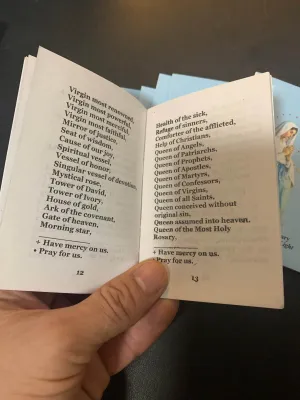
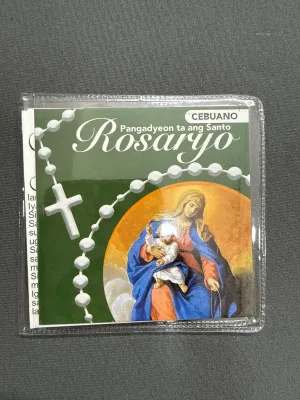
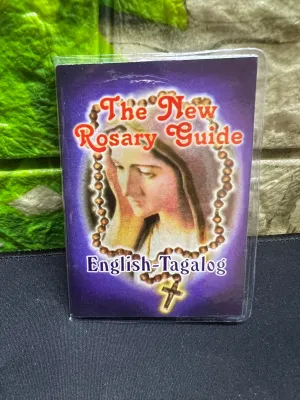
Prices are valid at publication and may change. Please refer to the product page for the latest price.
For May devotions, which are deeply rooted in the Flores de Mayo tradition, the booklet must include specific Marian prayers and daily flower offering guides. Look for editions that feature traditional hymns such as “Dios Te Salve” or “Alis Bayang Pilipinas,” alongside the Litany of Loreto and seasonal Marian antiphons. These elements help maintain the festive yet reverent atmosphere of daily May offerings, guiding participants through the specific prayers that accompany the presentation of flowers at the altar.
When organizing prayers for funerals and wakes, a standard rosary booklet is generally insufficient. You need an edition that explicitly includes the Rosary for the Dead, which incorporates specific petitions for the soul of the deceased after each decade. Additionally, the booklet should feature comforting novena prayers for the bereaved and traditional mourning hymns. Having these texts fully printed ensures that the leader and the congregation can maintain a unified, comforting rhythm during a highly emotional time.
For weekly neighborhood prayers, versatility and completeness are key. Ensure the booklet contains all four sets of mysteries: Joyful, Luminous, Sorrowful, and Glorious. It is also beneficial to verify that the booklet prints the full text of standard congregational responses, such as the Apostles’ Creed, the Hail Holy Queen, and the Fatima Prayer. This completeness prevents confusion when the rosary is hosted by different families who may have varying levels of familiarity with the traditional prayers.
Evaluating Physical Features for Comfortable Group Reading
Because block rosary booklets are shared among community members of all ages, their physical design directly impacts how easily people can participate. A booklet that is difficult to read or quickly falls apart can disrupt the flow of prayer and discourage active engagement.

Language and dialect are the first physical and editorial considerations. Depending on your community’s preferences, you can choose between English, Tagalog, or bilingual editions. In many neighborhoods, a bilingual booklet is highly practical, as it allows the leader to announce mysteries in one language while enabling participants to respond in the language they find most comfortable. Always verify the translation quality and ensure the phrasing aligns with the standard versions approved by the local diocese.
Typography and layout play a crucial role, especially during evening prayers or outdoor gatherings where lighting may be suboptimal. Look for booklets that utilize large, clear, and high-contrast fonts. This is particularly important for accommodating elderly community members who often lead or attend these devotions. A clean layout with distinct headings for each mystery and clear indicators for when the congregation should respond helps prevent readers from losing their place.
The durability of the binding and cover is another critical factor, particularly in tropical climates where humidity and frequent handling can quickly degrade paper. Stapled booklets with laminated or heavy cardstock covers generally offer better resistance to wear and tear than simple paper-bound leaflets. Since these booklets are passed from hand to hand, transported between houses, and occasionally used outdoors, investing in sturdy materials ensures they remain usable for many years without losing pages.
Choosing the Right Format and Quantity for Your Gatherings
The scale of your prayer group and the physical setting of your devotions should dictate the format and quantity of the booklets you acquire. Balancing portability with readability ensures that your community is neither burdened by bulky materials nor struggling with text that is too small.
When planning your purchasing strategy, consider the size of your typical gathering. For large neighborhood blocks, purchasing bulk packs is often the most cost-effective approach, as buying bulk packs can significantly lower the cost per booklet in pesos (₱) compared to buying individual copies. If you are buying for a smaller family circle or a highly mobile prayer group, purchasing a few high-quality individual copies may be more practical. Always verify the exact contents of the edition before ordering to ensure it meets your community’s specific liturgical needs.
Size and portability are closely linked to how the booklets will be used. Pocket-sized editions are highly convenient for personal carrying, making them excellent for individuals who travel to different homes to lead prayers. However, standard-sized booklets are generally better for shared, stationary reading at an altar or in a living room, as they allow for larger text and more comfortable handling during longer services.
Additionally, pay close attention to lyric completeness for any hymns included in the booklet. Some compact editions only print the first line or the chorus of a hymn, assuming participants know the rest by heart. To support robust congregational singing, select booklets that print the full lyrics of all featured hymns. This ensures that even those who are unfamiliar with the melodies can participate fully in the musical portions of the devotion.
Organizing and Maintaining Booklets for Long-Term Community Use
Proper organization and maintenance of your block rosary booklets will preserve their condition and make leading prayers a seamless experience. Implementing simple management habits within your neighborhood group prevents loss and minimizes physical damage over time.
To streamline the flow of prayer, consider applying physical navigation aids to the booklets. Attaching small, color-coded adhesive tabs or ribbon bookmarks to key sections—such as the specific mysteries, the Litany, or the novena prayers—allows the prayer leader to transition smoothly between different parts of the service. This simple modification prevents awkward pauses and keeps the congregation engaged.
Before finalizing your booklet selection, it is highly recommended to consult with your local parish guidelines or neighborhood officers. Different parishes may have established traditions, preferred translations, or specific local hymns that they encourage. Aligning your booklet choice with these local customs ensures that your block rosary remains in harmony with the broader parish community and respects long-standing neighborhood practices.
Finally, establish a clear storage and distribution routine. Because tropical humidity can cause paper to warp, mold, or attract pests, shared booklets should be stored in a dry, airtight plastic container when not in use. Designate a specific coordinator—such as the family currently hosting the image of the Blessed Virgin—to be responsible for gathering, counting, and safely storing the booklets after each prayer session. This practice ensures that the complete set remains intact and ready for the next household.
Frequently Asked Questions (FAQ)
Can I use a standard daily rosary booklet for a funeral wake?
While a standard daily rosary booklet contains the essential mysteries, it lacks the specific prayers and petitions dedicated to the deceased that are traditional during a funeral wake. A proper Rosary for the Dead includes specialized opening prayers, responses after each decade asking for eternal rest, and comforting novenas for the grieving family. For a wake, it is highly recommended to use a dedicated funeral prayer booklet to ensure these important liturgical elements are fully observed.
How do I choose the right language edition for a diverse neighborhood?
For neighborhoods with diverse linguistic backgrounds, a bilingual booklet (such as English and Tagalog) is usually the most practical choice. This format allows the prayer leader to guide the service in one language while permitting participants to respond in whichever language they feel most comfortable using. Before purchasing, observe the language most commonly used during community meetings or local parish masses to ensure your choice reflects the natural communication preferences of your neighbors.
Community discussion
Share your experience or ask a question. Comments are reviewed before publication.