
Selecting your first bass drum electric kick pad is a foundational step in building an electronic drum kit that supports your learning journey. For aspiring drummers in the Philippines, this decision involves balancing physical playability, noise mitigation for close-quarters living, and electronic compatibility with your drum module. A high-quality bass drum electric kick pad must not only feel realistic under your foot but also integrate seamlessly with your existing hardware without causing disruptions to those around you.
Understanding the technical and physical specifications of different kick pads will help you make an informed investment. By focusing on material construction, trigger technology, and local setup requirements, you can find a reliable pad that fits both your budget and your practice space.
What to Look for in a Beginner Bass Drum Electric Kick Pad
To build a solid drumming foundation, you need a pad that responds accurately to your footwork. The physical construction of the pad determines how closely it mimics the feel of an acoustic bass drum while managing the acoustic output of your practice sessions.
Products mentioned in this guide
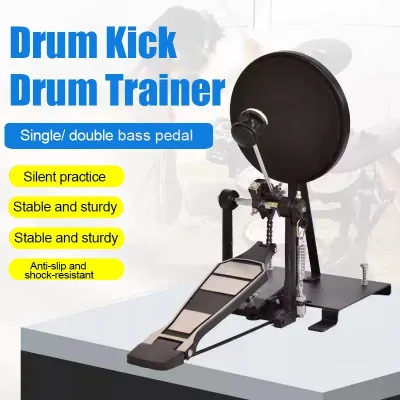
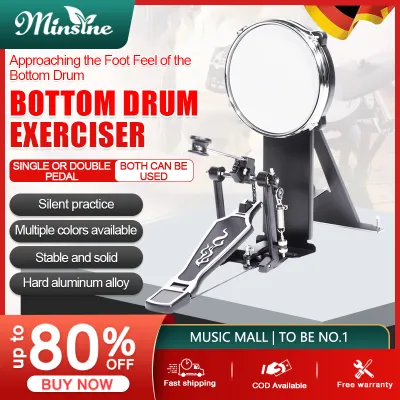
Prices are valid at publication and may change. Please refer to the product page for the latest price.
Beater Surface Materials
The material your beater strikes is the most critical factor for both playing feel and acoustic noise. Standard rubber pads are highly durable and offer a firm, consistent rebound, making them excellent for developing basic foot speed. However, they produce a sharp, audible acoustic click upon impact that can easily penetrate thin walls. In contrast, mesh, cloth, or soft polyurethane surfaces absorb more of the physical blow. These materials provide a quieter response and a softer, more realistic feel, though they may offer slightly less rebound and require more physical effort to play.
Rebound and Footboard Response
The internal tension and material of the pad directly influence how your pedal’s footboard behaves. If a pad is too springy, it can cause the beater to bounce uncontrollably, leading to accidental double-triggering and poor technique development. Conversely, a pad with too little rebound can cause foot fatigue during long practice sessions. Beginners should look for a pad that offers a balanced, predictable bounce, allowing them to develop proper heel-up or heel-down techniques safely.
Noise and Vibration Transfer
In high-density living areas, such as condominiums in Metro Manila or shared family homes, managing noise is often a top priority. Drummers must distinguish between airborne noise and structural vibration. Airborne noise is the acoustic sound of the beater hitting the pad, which can be managed with softer striking materials. Structural vibration is the low-frequency energy that travels down the pedal and through the floor joists. This physical impact is highly disruptive to neighbors living downstairs and often requires dedicated isolation strategies beyond just a quiet pad material.
How to Check Drum Module Compatibility
Before purchasing a new bass drum electric kick pad, you must ensure it can communicate effectively with your drum brain. Incompatibility can lead to missed triggers, double-triggering, or a complete lack of signal.

Trigger Technology
Most modern kick pads utilize piezo-electric trigger technology. When the beater strikes the pad, a small piezo crystal generates a voltage spike proportional to the force of the hit, which the drum module interprets to produce the corresponding drum sound. While piezo triggers are the industry standard, some older or highly proprietary entry-level kits use optical or switch-based triggers. You must consult your drum module’s manual to confirm it accepts standard piezo inputs before making a purchase.
Cable and Input Requirements
Connection is typically established using a standard 1/4-inch (6.35mm) TS (Tip-Sleeve) mono audio cable. Ensure your drum module has an available, dedicated input jack labeled “Kick” or “Bass.” If you are expanding an existing kit, verify whether your module supports auxiliary trigger inputs and if those inputs are configured to handle the transient signals of a bass drum trigger.
Single-Zone vs. Dual-Zone
Unlike snare or cymbal pads that require multiple zones for rimshots or edge choke sounds, a bass drum pad only needs to register a single hit. Consequently, single-zone pads are the standard for kick triggers. Dual-zone kick pads do exist but are rare, significantly more expensive, and offer no practical benefit for a beginner drummer. Investing in a reliable single-zone pad is the most cost-effective path.
Module Adjustments
A new kick pad rarely works perfectly out of the box without some calibration. You will likely need to access your module’s trigger settings menu to adjust parameters such as Sensitivity, Threshold, and Velocity Curves. Sensitivity determines how hard you must strike to trigger the loudest sample, while Threshold prevents ambient vibrations or pedal wobble from triggering accidental notes. Taking the time to calibrate these settings prevents frustration and ensures a natural playing experience.
Budget Tiers and What to Expect in the Philippines
Navigating the financial aspect of purchasing drum gear in the Philippines requires balancing performance with realistic cost expectations. Prices can vary based on shipping, local distribution, and import duties, but they generally fall into three distinct tiers.
- Entry-Level Tier (Under ₱4,000): Budget options consist primarily of compact, basic rubber pads. These pads are highly durable and offer reliable triggering, making them excellent for beginners on a tight budget. However, they tend to be acoustically louder and offer minimal shock absorption, which may not be suitable for quiet apartments.
- Mid-Range Tier (₱4,000 to ₱10,000): This tier represents the recommended sweet spot for most beginners. Here, you will find pads featuring cloth-wrapped foam or multi-layered mesh heads. These pads offer a significantly quieter acoustic response, improved beater feel, and more robust mounting systems that prevent the pad from sliding during intense play.
- Premium Tier (Over ₱10,000): Premium pads feature advanced mesh construction with adjustable physical tension, heavy-duty metal chassis, and sophisticated multi-sensor trigger arrays. These pads are designed to mimic the exact feel of an acoustic bass drum head and are built to withstand years of heavy use.
- Hidden Costs and Accessories: When budgeting, remember that standalone kick pads rarely include a bass drum pedal. You will need to allocate an additional ₱2,500 to ₱6,000 for a sturdy single kick pedal. Additionally, factor in the cost of a high-quality 1/4-inch instrument cable and a non-slip drum rug, which is essential for keeping your setup stable on tiled or wooden floors.
Top Electric Kick Pad Categories for Beginners
Rather than focusing solely on brand names, you should select a kick pad based on your specific living environment, space constraints, and practice goals. Choosing the right category ensures your gear fits your lifestyle.
Standard Rubber Pads for Realistic Rebound
Standard rubber pads are the traditional choice for electronic drum kits. These pads feature a hard rubber striking surface mounted on a sturdy metal frame. They are exceptionally durable, easy to clean in the humid Philippine climate, and provide a firm, predictable bounce that closely mimics a high-tension acoustic drum head. They are best suited for players who live in detached single-family homes or have access to dedicated, soundproofed practice spaces, as the physical “thwack” of the beater can be quite loud.
Low-Noise Pads for Apartment and Shared Living
For drummers living in high-rise condominiums or shared family homes, low-noise pads are practically essential. These pads utilize specialized acoustic dampening materials, such as thick foam layers, soft fabric covers, or suspended mesh heads, to quiet the impact of the beater. By dampening the high-frequency acoustic noise, these pads allow you to practice late at night without disturbing others, though they do require a slightly different physical approach due to their softer, more absorbing feel.
Compact and Pedal-Integrated Designs
If floor space is extremely limited or you need a highly portable setup, compact and pedal-integrated designs offer an elegant solution. These units often feature a “beaterless” design, where the pedal mechanism directly triggers an internal sensor without the need for a physical beater hitting a pad. While these designs are incredibly quiet and save significant floor space, they do sacrifice the realistic physical feedback of a traditional pedal and beater, which can affect the development of advanced foot techniques over time.
Where to Buy and How to Set Up Safely
To protect your investment, you should purchase your gear from authorized local music retailers or official brand stores in the Philippines. Buying from authorized channels ensures you receive a genuine product, a valid manufacturer’s warranty, and access to reliable after-sales support should you encounter any technical issues. Before making your final purchase, verify the specific product edition, package completeness (such as included cables), device compatibility with your existing drum module, and ensure you are buying from an authorized source.
Before completing your purchase, perform a pre-purchase verification check. Confirm whether the kick pad includes the necessary 1/4-inch audio cable, as some models are sold as bare pads. Additionally, verify that your existing or planned bass drum pedal’s clamp is fully compatible with the mounting lip of the kick pad to avoid physical mounting issues.
During setup, handle the equipment with care to prevent accidental damage. Avoid over-tightening the pedal clamp onto the kick pad’s mounting frame, as excessive pressure can crack plastic housings or damage internal sensors. Because electronic kick pads are relatively lightweight compared to acoustic bass drums, they have a tendency to slide forward during play. Always place your pedal and kick pad assembly on a high-traction, textured drum rug to keep the gear securely in place and protect your home’s flooring from scratches.
Frequently Asked Questions (FAQ)
Can I use my acoustic bass drum pedal with an electric kick pad?
Yes, the vast majority of standard acoustic bass drum pedals are fully compatible with electric kick pads. However, you must pay close attention to the material of your pedal’s beater. Hard plastic, wood, or worn felt beaters can easily dent, tear, or prematurely wear down soft mesh or cloth kick pads. If you are using a low-noise mesh or fabric pad, it is highly recommended to use a brand-new, clean felt or rubber beater to protect the striking surface from damage.
Do I need a special noise isolation board for my kick pad?
While a low-noise kick pad will significantly reduce the airborne sound of your practice sessions, it cannot stop the physical, low-frequency impact energy from traveling through the floor. In multi-story buildings or condominiums, this structural vibration can be highly disruptive to neighbors below. To solve this, you may need to build or purchase a noise isolation platform—often constructed using sturdy wooden boards decoupled by tennis balls or specialized acoustic foam—to isolate the pedal assembly from the floor structure.
Community discussion
Share your experience or ask a question. Comments are reviewed before publication.