
Finding the right audiobook edition of the Catechism of the Catholic Church requires looking closely at translation accuracy, narrator pacing, and digital formatting. Because this text serves as a comprehensive reference for doctrine and belief, a casual audio adaptation may not provide the precise structure needed for deep study. Selecting the ideal version depends on whether you intend to use the audio for systematic study, daily reflection during a humid commute, or shared listening in a parish group.
To make an informed purchase, you must verify that the audio file matches the official English translation, typically the Second Edition, which includes the Latin typical edition amendments. You also need to evaluate how the digital publisher has indexed the tracks, as navigating over eight hundred pages of dense theological prose requires precise chapter markers. By focusing on these technical and structural details, you can find an audio edition that integrates seamlessly into your spiritual and educational routine.
Key Specifications to Evaluate Before Purchasing
When shopping for a digital audio version of this extensive theological work, the distinction between unabridged and abridged formats is your first major decision point. An unabridged audiobook contains every single paragraph, footnote reference, and index entry of the official text, often resulting in a total running time that exceeds thirty or forty hours. This complete format is indispensable if you are using the audio to follow along with a physical book or if you are preparing for formal religious instruction.
Products mentioned in this guide

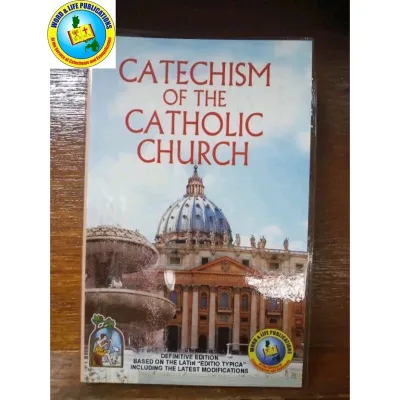
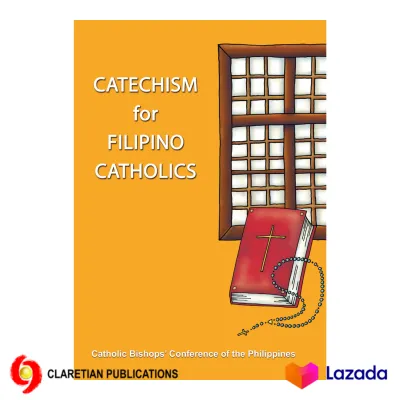
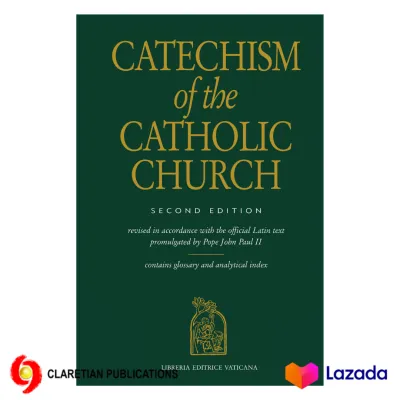
Prices are valid at publication and may change. Please refer to the product page for the latest price.
Abridged editions, by contrast, focus on the core summaries or specific sections, such as the Creed, the Sacraments, or Christian prayer. While these shorter versions are much easier to digest during a brief daily commute, they omit the deep cross-references and detailed explanations that define the complete work. If your goal is comprehensive study, an abridged version will leave significant gaps in your understanding of the doctrinal framework.
Verifying the exact translation and edition is another critical step before finalizing your purchase. The official English translation used in most dioceses is the Second Edition, which incorporates changes approved by the Holy See in the late 1990s. Some older audio recordings or unauthorized readings may use earlier drafts or alternative translations that do not align with the current printed text. Always check the product metadata for mentions of the “Second Edition” or “amended translation” to ensure your audio matches the physical books used in local parishes.
The narrator’s style, tone, and reading speed can make or break your listening experience with a text this dense. Theological prose requires a narrator who speaks with deliberate pacing, clear articulation, and a respectful tone that allows the listener time to process complex concepts. A reading speed that is too rapid can cause you to miss subtle theological distinctions, while an overly dramatic delivery can become distracting during long study sessions. Many digital platforms offer short audio samples; use these to assess whether the narrator’s voice remains comfortable to listen to over several hours.
Aligning the Audio Format with Your Study Goals
Your primary objective for listening should dictate the specific features you look for in an audiobook edition. For deep theological study, detailed digital indexing is absolutely essential because the text is organized by numbered paragraphs rather than standard narrative chapters. An audiobook that only features generic track numbers like “Part 1, Track 5” makes it incredibly difficult to locate specific doctrines or cross-references. Look for editions that label tracks with the corresponding paragraph numbers or major section titles, allowing you to jump directly to the topic you need.

For those who plan to listen during a warm afternoon commute or while performing household chores, a highly structured, unabridged format might feel overwhelming. In these scenarios, thematic audio guides or abridged versions that break down the text into daily reflections can be highly effective. These formats are designed to be listened to in short, self-contained segments, making it easier to maintain focus amidst the distractions of daily life in a bustling tropical environment.
If you are selecting an audio edition for group study or parish use, additional technical factors come into play. You must ensure the audio quality is high enough to remain clear when played through external speakers in a large room or parish hall. Furthermore, you must verify the licensing terms, as standard personal digital purchases typically do not permit public broadcasting or group playback. Checking for parish-sharing licenses or educational editions can prevent copyright issues and ensure everyone in your study group benefits from a clear, authorized recording.
Verifying Authenticity, Licensing, and Device Compatibility
Because the digital marketplace is filled with self-published audio files and independent recordings, verifying the publisher’s credentials is vital. Official Catholic publishing houses and established digital distributors work directly with ecclesiastical authorities to guarantee that the spoken word matches the approved text exactly. Purchasing from these recognized entities ensures that you are not receiving an unauthorized draft, an incomplete reading, or a version with unapproved textual alterations.
Device compatibility and Digital Rights Management (DRM) are practical concerns that can restrict how and where you listen. Many major audiobook platforms use proprietary formats that require you to use their specific mobile application, which may limit your ability to transfer files to older MP3 players or shared parish devices. If you plan to listen in areas with spotty internet coverage, verify that the platform allows complete offline downloads so your study is not interrupted by connectivity drops.
Regional restrictions can also affect your ability to purchase or play certain digital editions in the Philippines. Some international publishers restrict their digital distribution rights to specific geographic regions, meaning an audiobook available in North America or Europe might be locked or unavailable on local digital storefronts. Before purchasing, confirm that the title is fully licensed for playback in your region to avoid transaction errors or sudden loss of access to your digital library.
A Practical Checklist for Evaluating Retailer Listings
Before clicking the purchase button on any digital platform, a systematic review of the product listing can save you from buying an incorrect or low-quality edition. Start by reading the product description with extreme care, looking for explicit statements regarding the total runtime and the specific translation used. A complete, unabridged edition of the entire text will typically run for dozens of hours; if a listing claims to cover the whole book but only has a runtime of five or six hours, it is highly likely an abridged version or a collection of selected highlights.
User reviews can provide invaluable real-world insights into the actual listening experience that official product descriptions omit. Look specifically for feedback regarding the audio quality, such as complaints about background hiss, inconsistent volume levels, or abrupt edits that disrupt the flow of the text. Pay close attention to reviews that mention the accuracy of the digital chapter markers, as other listeners will often point out if the tracks are poorly labeled or difficult to navigate.
Finally, compare the pricing structures and purchasing options across different digital retailers to find the most cost-effective method for your budget. Some platforms offer the audiobook as a one-time purchase, which might range from a few hundred to over a thousand pesos (₱), while others include it in a monthly subscription model. If you plan to listen to the text slowly over the course of a year, a one-time purchase may be far more economical than maintaining a monthly subscription just to access a single title.
Frequently Asked Questions (FAQ)
Is there an official audiobook produced by the Vatican?
While the Holy See holds the copyright to the official text of the Catechism, the Vatican itself does not typically produce or distribute commercial audiobooks. Instead, the rights to produce audio versions are licensed to authorized Catholic publishing houses, diocesan media groups, and established digital audio platforms. When searching for an official version, you should look for the credentials of the publisher and check if the production has received the necessary ecclesiastical approval, rather than searching for a Vatican-branded release.
Are there legitimate ways to access the audiobook for free?
Yes, there are several legal and authorized ways to listen to the text without making a direct purchase. Many public digital library systems and parish media libraries offer free access to audiobooks through digital lending applications, provided you have an active library card or parish membership. Additionally, some official Catholic organizations and diocesan websites host authorized audio streams or podcasts that read through the text systematically over a year, offering a high-quality, free alternative to commercial downloads while avoiding the security and quality risks of pirated files.
How can I navigate and study a lengthy theological audiobook effectively?
Studying a massive, complex text via audio is highly effective when you pair the listening experience with active study habits. Use your audiobook player’s bookmarking feature to tag important paragraphs, and take advantage of playback speed adjustments to slow down dense dogmatic sections or speed up familiar historical introductions. For the best results, consider listening with a physical copy or a digital text open in front of you, allowing you to highlight key passages, write down notes, and easily cross-reference the numbered paragraphs as the narrator reads them.
Community discussion
Share your experience or ask a question. Comments are reviewed before publication.