
Finding the right self-help book in the Philippines requires looking beyond global bestseller lists to find titles that speak to your specific cultural, economic, and personal realities. The best personal growth books for Filipino readers are those that offer actionable strategies for navigating unique local challenges—such as balancing career ambitions with deep family obligations, managing finances in a fluctuating economy, and maintaining mental resilience amidst daily stressors like long, exhausting commutes. By focusing on books that align with your current life stage and verifying the authenticity of your purchase, you can build a highly effective personal library that drives real, lasting change.
To make your reading journey truly impactful, it is essential to approach self-help not as a passive leisure activity, but as an active partnership between the author’s insights and your daily choices. This guide will help you identify your core growth areas, understand the themes that resonate most with local experiences, explore the power of allegorical storytelling, and protect yourself from counterfeit editions when shopping online.
Identifying Your Personal Development Goals
Before purchasing any self-help book, you must assess your current life stage and pinpoint the exact areas where you want to grow. It is easy to get swept up in the hype of trending titles on social media, but a book that helps a corporate executive streamline their calendar might be entirely useless to a fresh graduate trying to find their footing in a competitive job market. Start by asking yourself what your primary bottleneck is right now: is it a lack of practical skills, a negative mindset that holds you back, or a deeper existential search for purpose?
Products mentioned in this guide
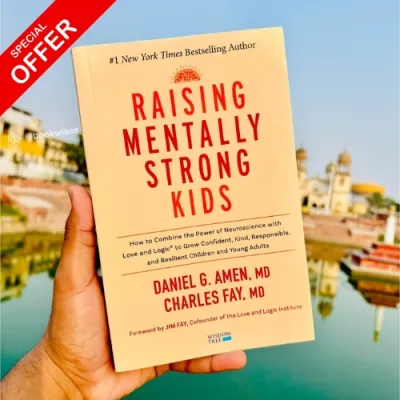
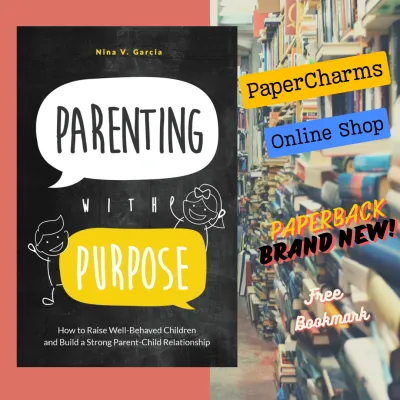

Prices are valid at publication and may change. Please refer to the product page for the latest price.
Understanding the different categories of personal development literature can help you narrow down your choices. Skill-building manuals are highly tactical, offering step-by-step instructions on topics like time management, public speaking, or technical financial planning. Mindset-shift books, on the other hand, focus on cognitive reframing, helping you identify limiting beliefs and build emotional resilience. Finally, philosophical growth narratives explore deeper questions of meaning, ethics, and long-term vision, which are crucial when you are undergoing a major identity shift or career transition.
It is also vital to set realistic expectations for what a single book can achieve. A book can provide a framework, spark an realization, or offer a new perspective, but it cannot do the hard work of daily implementation for you. Lasting personal growth requires sustained practice, reflection, and the willingness to adapt global concepts to your specific environment. Treat each book as a starting point rather than a final destination, and be prepared to actively test the author’s advice in your own life.
Core Themes That Resonate with Filipino Readers
For personal development advice to be truly effective, it must translate well to the cultural and economic realities of life in the Philippines. Many mainstream self-help books are written from a highly individualistic Western perspective, which often clashes with the collectivist nature of Filipino society. For example, financial literacy and wealth management books must be filtered through the lens of family obligations. Many local readers find themselves navigating the pressures of supporting extended family members, contributing to household expenses, or managing the expectations of being the primary breadwinner. Books that address budgeting, investing, and building wealth while respecting these deep familial ties are far more practical than those that advocate for absolute financial independence at the cost of personal relationships.

Navigating family dynamics and setting healthy boundaries is another critical theme for local readers. In a culture that highly values interpersonal harmony and respect for elders, learning to say no or establishing personal boundaries can be incredibly challenging. Self-help books that focus on assertive communication, emotional intelligence, and boundary-setting offer invaluable tools for maintaining mental health without causing unnecessary friction within close-knit family structures or community circles.
Career growth and local entrepreneurship also require a tailored approach. The local job market, the rise of freelancing and virtual assistance, and the unique challenges of navigating corporate environments in major business districts require a high level of adaptability. Books that teach resilience, creative problem-solving, and how to overcome systemic or environmental hurdles are highly relevant. Whether you are looking to climb the corporate ladder in Metro Manila or start a small business in the provinces, finding books that address resourcefulness and grit in the face of infrastructure or economic limitations will provide the most practical guidance.
Exploring Story-Driven and Allegorical Growth Books
While traditional, step-by-step self-help guides are excellent for tactical planning, they can sometimes feel dry or overly clinical. This is where story-driven books, fables, and allegories offer a powerful alternative path to personal development. For instance, readers searching for a “raise of a wolf book” or similar narrative-driven personal development journeys are often looking for stories that explore themes of leadership, survival, instinct, and finding one’s pack. These allegorical tales use character arcs and symbolic journeys to mirror our own internal struggles, making complex psychological concepts much easier to digest and internalize.
Learning through fables and parables has a profound psychological impact because stories bypass our natural cognitive defenses. When we read a list of direct instructions, our minds often find excuses for why those rules do not apply to our specific situation. However, when we follow a character’s journey through adversity, we naturally empathize with their struggles and celebrate their victories. This emotional connection allows us to extract actionable life lessons and mindset shifts in a way that feels organic rather than forced.
When comparing story-driven reads to traditional guides, many readers find that allegories offer superior long-term retention. You might forget the specific five-step formula outlined in a productivity manual within a few weeks, but the core message of a well-crafted story can stay with you for years, serving as a mental touchstone during times of crisis. For a balanced reading list, consider pairing a highly structured, practical manual with an inspiring allegorical tale to engage both your analytical and creative mind.
Building Your Personalized Self-Help Reading List
To build a reading list that truly serves your growth, you need a systematic framework rather than a random collection of popular titles. Start by matching your book formats to your daily habits and lifestyle. If you spend hours commuting on the MRT, buses, or in heavy traffic, audiobooks or a lightweight e-reader can transform stressful transit time into a productive learning window. On the other hand, if you prefer to study, highlight, and take detailed notes in the quiet of your home, physical books remain an excellent choice, provided you store them properly to protect them from tropical humidity.
Evaluating author credibility is another crucial step in curating your list. Before buying, research the author’s background, qualifications, and the research supporting their claims. Be cautious of self-proclaimed gurus who promise instant success or wealth without offering verifiable evidence or practical frameworks. Look for authors who acknowledge the limitations of their advice and encourage readers to adapt the concepts to their own unique circumstances.
Finally, aim for a healthy balance between foundational global classics and contemporary local voices. Global classics offer timeless psychological principles that have stood the test of time across different cultures. However, contemporary local authors provide the necessary context, addressing the specific economic, social, and cultural nuances of living and working in the Philippines today. By blending these two perspectives, you create a robust, well-rounded reading list that is both universally sound and locally applicable.
Verifying Editions, Formats, and Authenticity Before Purchase
With the rise of online marketplaces and digital storefronts, ensuring that you are purchasing authentic, high-quality copies of your chosen books has become increasingly important. The market is flooded with counterfeit physical books, which are often sold at suspiciously low prices. These pirated copies are not only illegal, but they also suffer from severe quality issues, such as missing chapters, illegible printing, misaligned pages, and weak binding. In the humid tropical climate of the Philippines, the cheap glue used in counterfeit books degrades rapidly, causing the pages to fall apart after only a few reads.
To protect your investment, always verify the seller before making a purchase. Look for official brand stores, authorized publishers, or well-established local bookstore chains on ecommerce platforms. Check customer reviews carefully, paying close attention to photos uploaded by other buyers. Authentic books typically feature consistent paper weight, crisp typography, and sturdy cover designs. If a deal seems too good to be true—such as a popular paperback listed for a fraction of its standard retail price—it is highly likely to be a counterfeit copy.
Additionally, pay close attention to the specific edition and format of the book you are buying. Verify whether the listing is for an updated edition, as authors frequently revise their work to include new research, updated statistics, or additional chapters. If you are purchasing e-books or audiobooks, ensure that the file formats are compatible with your specific devices and that there are no regional content restrictions that might prevent you from accessing the material. Taking a few extra minutes to verify these details ensures a seamless, high-quality reading experience that supports your personal growth journey.
Frequently Asked Questions (FAQ)
How many self-help books should I read at the same time?
It is generally best to limit yourself to reading one or two self-help books at a time to avoid cognitive overload. If you choose to read two simultaneously, ensure they serve different purposes—for example, pair a highly tactical skill-building manual with an inspiring, story-driven allegory. This approach prevents information fatigue and gives your brain the necessary space to process, reflect on, and actively implement the concepts from each book before moving on to new material.
Are audiobooks as effective as physical books for personal growth?
Audiobooks can be incredibly effective, especially for narrative-driven books, memoirs, and mindset-shift literature that you can listen to during daily commutes or household chores. However, for highly technical manuals, financial guides, or books that require interactive exercises and note-taking, physical books or e-books are often superior. The physical format allows you to easily highlight key passages, flip back and forth between chapters, and write down action plans in the margins.
How can I apply self-help concepts to my daily routine in the Philippines?
To successfully apply global self-help concepts locally, focus on adapting the core principles rather than copying the exact routines. For instance, if a book advocates for a rigid early-morning routine but your daily commute already requires you to leave the house before dawn, do not force a schedule that causes burnout. Instead, find creative ways to integrate the principles—such as practicing mindfulness or listening to educational audiobooks during your transit, or dedicating a specific, uninterrupted block of time on the weekend for deep personal reflection.

Community discussion
Share your experience or ask a question. Comments are reviewed before publication.