
Transitioning from physical books to digital formats is a highly practical move for avid readers in the Philippines. The tropical climate, characterized by high humidity and sudden downpours, presents a constant challenge for preserving paper books. Over time, physical pages are prone to yellowing, moisture damage, mold, and pests like silverfish. Digital story books offer an elegant solution to these environmental challenges, allowing you to carry an entire library in a pocket-sized device without worrying about shelf space or atmospheric wear. However, choosing the right platform requires evaluating several factors, including catalog availability, regional pricing, and device compatibility.
Key Factors to Consider When Choosing an eBook Platform
Before committing to a specific digital bookstore, it is essential to analyze your personal reading habits and priorities. Different platforms cater to distinct types of readers, and understanding your preferences will prevent frustration later.
First, consider your genre preferences. If your reading list consists primarily of international bestsellers, classic literature, or mainstream young adult fiction, global platforms will easily satisfy your needs. However, if you are looking for local Philippine literature, contemporary romance written by local authors, indie publications, or bilingual children’s story books, you must verify which platforms actively support regional publishers. Local content is often distributed differently than international titles, sometimes requiring you to look beyond mainstream global ecosystems.
Products mentioned in this guide
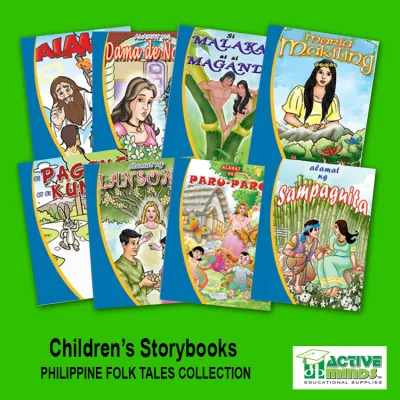
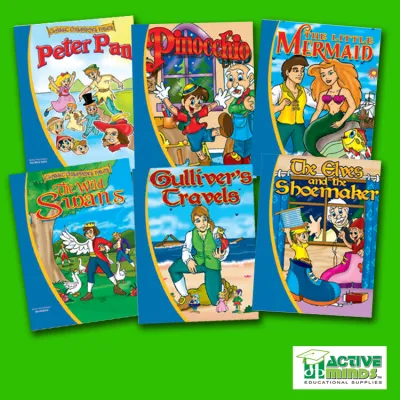
Prices are valid at publication and may change. Please refer to the product page for the latest price.
Second, evaluate your budget and preferred purchasing model. Some readers prefer an à la carte model, where they buy individual books as they go and own them permanently within that platform. Others prefer subscription-based models that offer unlimited access to a rotating catalog for a flat monthly fee. You must weigh these options against how many books you read per month to determine which model is more cost-effective for your budget.
Finally, consider ecosystem lock-in. Many digital book platforms are designed to work best within their own hardware and software ecosystems. If you already own a specific tablet, smartphone, or e-reader, your choice of platform may be heavily influenced by what runs natively on your existing device. Transitioning between different ecosystems can sometimes be difficult due to digital rights management (DRM) restrictions, making it wise to choose a platform that aligns with your long-term hardware preferences.
Comparing Major eBook Platforms for Story Books
Several major digital book platforms are accessible to readers in the Philippines, each offering distinct advantages depending on your hardware and reading style.

Amazon Kindle remains one of the most prominent global platforms, known for its massive catalog of fiction and non-fiction. It operates seamlessly with dedicated Kindle e-readers and offers free apps for iOS and Android. While it provides an unmatched selection of international titles, prices are often listed in foreign currencies, and some features may vary based on your account’s regional settings.
Kobo is a strong competitor that has gained popularity among readers who prefer an open ecosystem. Kobo devices and apps support a wide variety of file formats natively, making it easier to load your own documents. Kobo also partners with various international retailers, offering a smooth user experience and a competitive catalog of story books.
Google Play Books is highly accessible, especially for Android users. It allows you to purchase books individually and, importantly, lets you upload your own EPUB and PDF files to your personal cloud library for free. This makes it an incredibly flexible option for readers who collect digital books from various independent sources.
Apple Books is the native option for users within the iOS and macOS ecosystem. It features a highly polished, clean interface and seamless syncing across Apple devices. While it is limited to Apple hardware, it offers a premium reading experience for those already invested in the brand’s products.
For local titles, regional online bookstores and independent publishing houses in the Philippines often sell digital editions directly through their official websites or established ecommerce platforms. These files are sometimes delivered as standard PDFs or EPUBs, which you can then import into your preferred reading application.
| Platform | Primary File Formats | DRM Policy | Offline Reading | Cross-Device Syncing |
|---|---|---|---|---|
| Amazon Kindle | AZW3, KFX, PDF | Proprietary DRM | Yes (via Kindle App/Device) | Yes (Whispersync) |
| Kobo | EPUB, PDF, KEPUB | Adobe DRM / Proprietary | Yes (via Kobo App/Device) | Yes |
| Google Play Books | EPUB, PDF | Adobe DRM / DRM-Free | Yes (via Google Play Books App) | Yes |
| Apple Books | EPUB, PDF | Apple DRM | Yes (via Apple Books App) | Yes (iCloud) |
Verifying Book Availability and Pricing in the Philippines
One of the most common hurdles for digital readers in the Philippines is navigating regional availability and pricing. Because publishing rights are granted on a country-by-country basis, a story book that is available on a platform in another country might be restricted or entirely unavailable for purchase locally.
To avoid disappointment, always search the platform’s store while logged into an account registered to the Philippines. This ensures you are seeing the actual catalog available to you. If a book is geo-blocked, it will either not appear in search results or display a message indicating it is unavailable in your region.
Pricing can also vary significantly based on your location. Some platforms offer localized pricing, displaying costs directly in Philippine Pesos (₱) and adjusting rates to match the local market. Others charge in United States Dollars (USD), which requires your bank or credit card issuer to perform a currency conversion. When buying in foreign currencies, be mindful of potential foreign transaction fees and fluctuating exchange rates that can increase the final price of your purchase.
Using local payment methods is another critical consideration. Platforms that support direct integration with local mobile wallets, such as GCash or Maya, or local debit cards make purchasing digital books much more convenient. Before committing to a platform, check its payment settings to ensure it accepts your preferred payment method without requiring an international credit card.
Additionally, it is worth comparing digital prices against the cost of physical paperbacks in local bookstores. While digital books often eliminate shipping fees and customs duties—which can make imported physical books quite expensive—publishers occasionally set digital prices close to physical retail rates. Checking both formats allows you to make an informed financial decision.
Device Compatibility and Reading Experience
The hardware you use to read digital story books significantly impacts your overall comfort and enjoyment, especially during long reading sessions.
Dedicated e-readers utilizing electronic ink (E-ink) technology offer an experience that closely mimics physical paper. These screens do not emit harsh blue light and are highly readable even under direct tropical sunlight, making them ideal for reading outdoors or by the beach. They also boast exceptional battery life, often lasting weeks on a single charge. However, they are typically monochrome, which may not be ideal if you enjoy illustrated children’s story books or graphic novels.
Smartphones and tablets, on the other hand, feature vibrant color displays and multi-functional capabilities. They are highly convenient because you likely already carry one daily. However, their reflective screens can cause eye strain during extended reading sessions, and they can be difficult to read under bright light. They also require frequent charging compared to dedicated e-readers.
Regardless of the device you choose, the reading application’s features play a vital role in your comfort. Essential features to look for include font customization (allowing you to adjust size and typeface), dark mode (for comfortable reading at night), margin and line spacing adjustments, and reliable bookmark syncing across devices.
Offline reading capability is another crucial factor, particularly in areas with intermittent internet connectivity or during severe weather events when power and mobile networks may go down. Ensure your chosen platform allows you to download books completely to your device’s local storage so you can continue reading without an active internet connection. Managing your device’s storage is simple for text-heavy novels, which take up very little space, but illustrated books or audiobooks will require more careful monitoring of your available storage.
Decision Framework: Which Platform Fits Your Reading Habits?
To make your final decision, match your specific reading habits and hardware preferences to the following scenarios.
Choose a dedicated ecosystem like Amazon Kindle or Kobo if you plan to do a significant amount of reading, prefer an eye-friendly E-ink screen, and want access to a massive global catalog of fiction. These platforms are designed for immersive, distraction-free reading and offer seamless integration between their digital storefronts and dedicated hardware.
Choose Google Play Books or Apple Books if you prefer to read on your existing smartphone or tablet, value seamless integration with your mobile operating system, and prefer not to purchase additional hardware. Google Play Books is particularly suitable if you want to easily upload your own collected files, while Apple Books offers a highly polished experience for iOS users.
If you prefer complete control over your digital library and want to avoid being locked into any single ecosystem, look for platforms or independent publishers that sell DRM-free EPUB files. This allows you to transfer your books freely between different devices and use any compatible reading application of your choice.
Finally, if your primary goal is to read local Philippine literature, independent regional publications, or academic texts, verify the availability of these specific titles first. You may find that purchasing directly from local publishers’ websites or specialized regional digital storefronts is the most reliable way to access these unique works.
Frequently Asked Questions (FAQ)
Can I read eBooks offline on my phone or tablet?
Yes, most major digital book platforms allow you to download purchased titles directly to your device for offline reading. Once a book is fully downloaded through the platform’s official app, you do not need an active internet connection to read it. However, you must ensure you have sufficient local storage space on your device, especially for illustrated books, and that you complete the download while connected to stable Wi-Fi before going offline.
Are eBooks generally cheaper than physical story books?
In many cases, digital books are more cost-effective than physical paperbacks in the Philippines because they eliminate international shipping costs, customs duties, and local retail markup. However, pricing is ultimately determined by publishers, and some high-demand titles or new releases may be priced similarly to their physical counterparts. Comparing prices across different digital platforms and local physical bookstores is the best way to find the most economical option.
Community discussion
Share your experience or ask a question. Comments are reviewed before publication.