
Finding the ideal eBook platform for reading stories in the Philippines depends on your preferred literary format, your reading device, and your budget. Whether you enjoy traditional published novels, fast-paced serialized web fiction, or borrowing digital books for free, different platforms cater to distinct reading habits. To make the right choice, you must evaluate how each service handles regional availability, local payment methods, and device compatibility.
Core Criteria for Choosing an eBook Platform in the Philippines
To find a platform that fits your lifestyle, start by examining the catalog focus. Some readers prefer curated, professionally edited novels from global publishers, while others seek independent web serials that update daily. If you enjoy local literature, you must verify if a platform actively hosts works by Filipino authors or supports regional languages.
Regional availability is another critical factor. Due to licensing agreements, some digital storefronts restrict access to specific titles based on your geographic location. Before committing to a service, check if its regional storefront is fully accessible in the Philippines without requiring a virtual private network or an international billing address.
Products mentioned in this guide
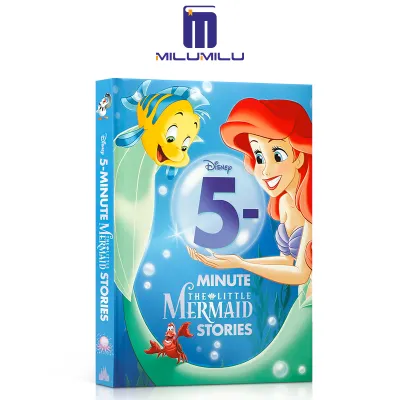
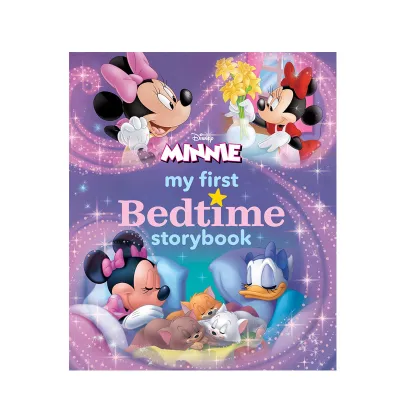
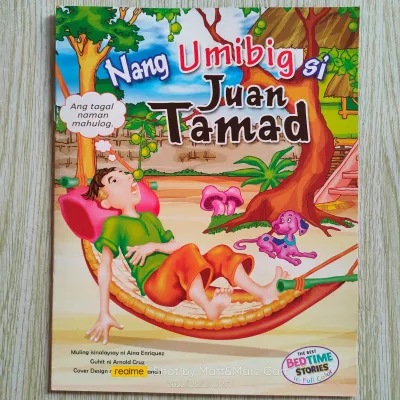

Prices are valid at publication and may change. Please refer to the product page for the latest price.
The device ecosystem also dictates your daily comfort. If you prefer reading on a dedicated e-ink screen to reduce eye strain under bright tropical sunlight, you need a platform that supports file transfers or direct syncing to e-readers. Conversely, if you read during your daily commute, a highly responsive mobile application with cross-device syncing is essential.
Comparing Platform Models for Story Enthusiasts
Digital reading services generally fall into three distinct categories, each designed for a specific type of reader. Understanding these models allows you to align your content preferences with the most cost-effective and user-friendly service.

Traditional Publishing and Mainstream Retailers
Mainstream digital retailers focus on professionally published fiction, including international bestsellers, classic literature, and award-winning novels. These platforms typically offer two ways to access content: purchasing individual titles à la carte or subscribing to a monthly reading pass that grants unlimited access to a curated selection of books. Purchasing individual titles ensures permanent access within the platform’s ecosystem, whereas subscription models are ideal for high-volume readers who do not mind losing access once the subscription ends.
The catalog depth for mainstream fiction is unmatched on these platforms, making them the primary destination for new releases from major publishing houses. However, readers must navigate Digital Rights Management (DRM) restrictions. Many mainstream retailers lock their files to proprietary formats, meaning you can only read your purchased stories on their specific devices or official applications, limiting your ability to transfer files to third-party e-readers.
Serialized Fiction and Community-Driven Apps
Serialized fiction platforms cater to readers who enjoy web novels, fanfiction, and independent stories that update chapter by chapter. These apps typically operate on a freemium structure, allowing you to read a set number of chapters for free each day. To unlock subsequent chapters immediately, you must use microtransaction systems, purchasing digital tokens or coins through the app’s storefront.
Community interaction is a defining feature of these platforms. Readers can leave inline comments on specific paragraphs, vote on upcoming plot points, and interact directly with independent authors. This creates a highly social reading experience, though it comes with trade-offs in content moderation. Because these platforms host vast amounts of user-generated content, writing quality and editing standards vary significantly compared to traditionally published books.
Digital Library and Public Borrowing Services
Digital library platforms offer a cost-effective alternative by allowing readers to borrow eBooks for free using institutional or public library credentials. To access these services in the Philippines, you typically need a digital library card from a participating local institution, university, or public library system. Once registered, you can borrow digital titles directly to your smartphone, tablet, or compatible e-reader.
Because these platforms operate on a traditional library model, they utilize waitlist mechanics. Libraries purchase a limited number of digital copies for each story, meaning you may have to place a hold on popular titles and wait your turn to read them. Additionally, the catalog selection is often more limited than retail storefronts, focusing primarily on educational materials, classic literature, and select mainstream fiction rather than the latest indie web serials.
Evaluating the Reading Experience and Usability
The technical interface of a reading application directly impacts your daily comfort, especially during extended reading sessions. Look for platforms that offer robust customization options, allowing you to adjust font styles, font sizes, margins, and line spacing to suit your visual preferences. A high-quality dark mode or sepia background option is also crucial for reducing eye strain when reading in low-light environments.
Study and engagement tools enhance how you interact with a story. Features such as instant dictionary lookups, highlighting, and digital note-taking are invaluable for readers who like to track character arcs or look up unfamiliar terms. Some platforms also support cross-device syncing for these annotations, ensuring your notes are preserved whether you switch from a tablet to a smartphone.
Accessibility features are equally important for inclusive reading. Many modern platforms integrate text-to-speech functionality, allowing you to convert written stories into audiobooks on the fly. Additionally, look for applications that support specialized, highly readable fonts designed specifically to assist readers with dyslexia.
Navigating Pricing Models and Local Payment Options
Calculating the true cost of your reading habit requires a close look at how different platforms structure their pricing. À la carte purchases offer the highest predictability, as you pay a one-time fee for each book, often ranging from a few pesos to several hundred pesos depending on the publisher. Monthly flat-rate subscriptions provide excellent value for voracious readers, but you must monitor your actual reading volume to ensure you are getting your money’s worth. Pay-per-chapter microtransactions on serialized apps can quickly become expensive, as unlocking an entire web novel chapter by chapter can sometimes cost more than purchasing a physical book.
For readers in the Philippines, payment convenience is a major consideration. Verify whether the platform supports local payment gateways, such as domestic e-wallets, mobile billing, or over-the-counter payment centers. Platforms that rely solely on international credit cards may incur foreign transaction fees or prove inaccessible to readers without traditional bank accounts.
Always read the fine print regarding auto-renewal terms and refund policies. Many subscription services automatically renew at the end of the billing cycle, so you must know how to disable this feature in your account settings. Furthermore, digital refund policies are notoriously strict; most platforms do not permit refunds for digital books once they have been downloaded or opened, unless the file itself is corrupted or unreadable.
Final Decision Framework: Which Platform Fits Your Reading Style?
To choose the right platform, align your selection with your primary reading goals and device preferences. If you prioritize reading newly released bestsellers, value professional editing, and want to build a permanent digital library, a mainstream retailer is your best option. Be prepared to navigate DRM restrictions and ensure your preferred reading device is compatible with the retailer’s ecosystem.
If you prefer fast-paced, daily updates, enjoy discovering independent authors, and want to participate in a lively community of readers, a serialized fiction app is the ideal fit. When using these apps, manage your budget carefully to avoid overspending on microtransactions, and utilize free daily unlock options whenever possible.
If you want to minimize your reading expenses and do not mind waiting for popular titles, explore digital library borrowing services. Verify if your local school, university, or municipal library offers digital access, and keep a queue of holds active so you always have a story waiting for you.
Before making any final purchases or commitments, verify if the platform supports the specific local dialects or niche genres you enjoy. If you plan to read offline during travel or power outages, confirm that the platform allows you to download complete files to your device rather than requiring a constant internet connection to load new chapters.
Frequently Asked Questions (FAQ)
Can I read offline on these platforms?
Yes, most platforms allow you to download stories for offline reading, but the execution varies by service type. Mainstream retailers and library apps typically let you download entire books directly to your device’s local storage or compatible e-reader, allowing uninterrupted access. Serialized fiction apps, however, often cache only a few chapters at a time, meaning you may need an active internet connection to load subsequent parts of a web novel. Additionally, borrowed library books and active subscription titles will automatically become inaccessible once the loan period or subscription billing cycle ends.
Are there platforms specifically for Filipino-authored stories?
While there is no single dominant platform dedicated exclusively to local literature, many mainstream retailers and serialized apps host extensive collections of Filipino-authored stories. To find them, search for specific regional tags, local publishing houses, or language filters within the platform’s search interface. Many independent Filipino writers also publish their work on community-driven serialized platforms, where you can find stories written in Tagalog, Taglish, or other regional languages by filtering for local content hubs.
How do I cancel a subscription or request a refund for an eBook?
To cancel a digital reading subscription, you must navigate to your account settings on the platform or the app store where you initiated the payment, ensuring you cancel before the next billing date to avoid automatic renewal. Refund policies for individual eBook purchases are highly restrictive across almost all platforms. Generally, refunds are only granted if the digital file is corrupted, unreadable, or if you have not yet downloaded or opened the book. Always review the specific refund window and terms of service on your chosen platform before finalizing a purchase.
Community discussion
Share your experience or ask a question. Comments are reviewed before publication.