
Finding the right drum beater is one of the most immediate ways to change the feel and sound of your bass drum without replacing the entire pedal assembly. For beginners, selecting a beater can be confusing due to the wide variety of shapes, weights, and materials available. A pedal that feels too heavy, too light, or produces a sound that does not match your practice space can hinder your learning progress.
The ideal choice is not a single, universally perfect model, but rather one that matches your pedal’s physical specifications, your preferred musical genre, and your practice environment. This guide breaks down the essential compatibility checks, material differences, and practical buying strategies to help you build a reliable shortlist from local music stores and online marketplaces in the Philippines. By understanding these core factors, you can make an informed decision that supports your development as a drummer.
Understanding Drum Beater Basics and Compatibility
Before purchasing any drum beater, you must ensure it is physically compatible with your existing bass drum pedal. The beater assembly consists of a straight metal shaft and a striking head. While many modern manufacturers adhere to standard dimensions, variations exist that can prevent a new beater from fitting securely into your pedal’s receiver.
Products mentioned in this guide
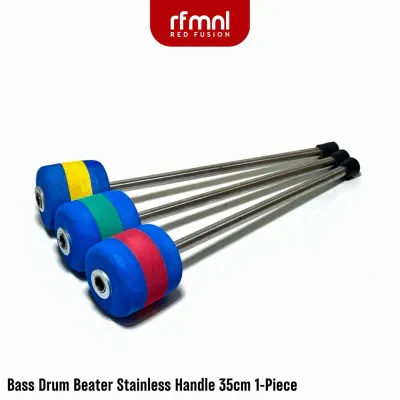
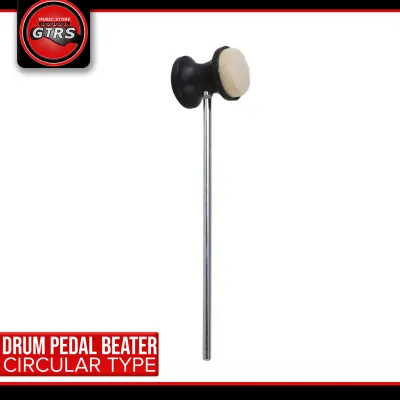
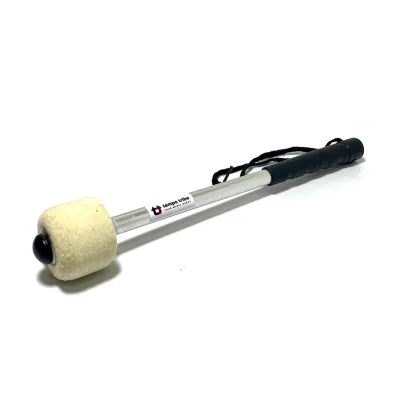
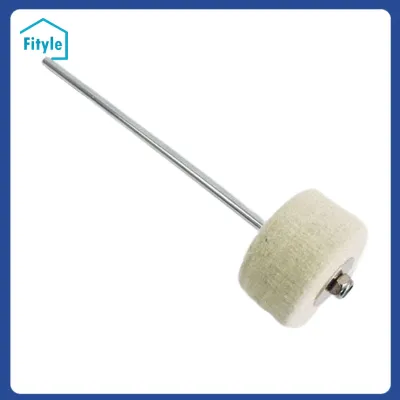
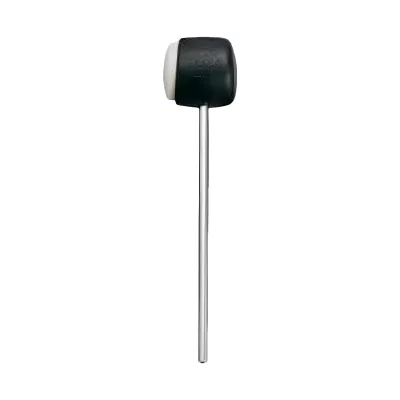
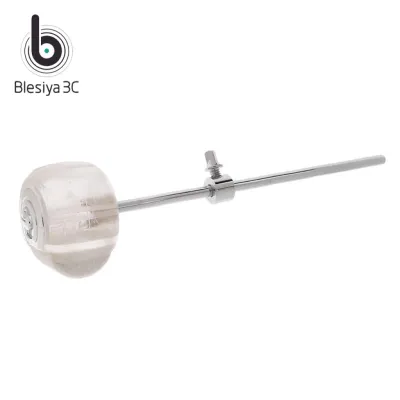
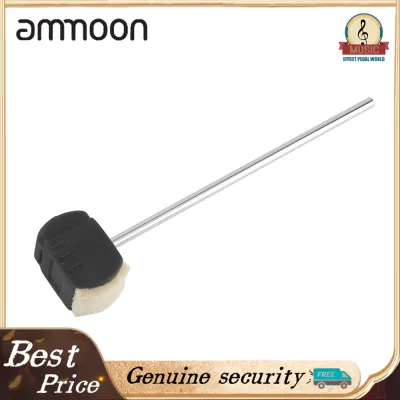
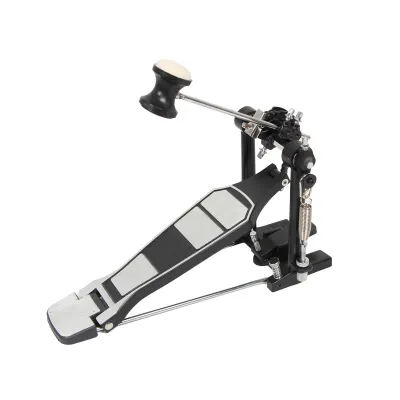
Prices are valid at publication and may change. Please refer to the product page for the latest price.
Single pedals typically feature a single beater holder centered or slightly offset on the axle. Double pedals, however, require two beaters mounted side-by-side. On double pedals, the physical clearance between the two beaters is relatively tight. If you choose beaters with oversized or wide heads, they may collide during fast play, disrupting your rhythm and potentially damaging the hardware. It is essential to measure the distance between the two beater holders on your double pedal axle before purchasing replacements.
Shaft diameter is another critical compatibility factor. Most modern drum pedals use a standard 1/4-inch (approximately 6.35mm) shaft. However, some vintage, entry-level, or specialized brand pedals utilize slightly thinner or thicker shafts. A shaft that is too thick will not fit into the holder, while a shaft that is too thin will wobble and slip, even when the mounting screw is fully tightened. This slippage can damage the mounting threads and make playing impossible.
Shaft length also plays a significant role in how the pedal feels and where the head strikes the drum. Standard shafts are typically between 6 and 8 inches long. If a shaft is too long, it may strike too high on a smaller bass drum, such as an 18-inch or 20-inch drum common in compact kits. A shaft that is too long can also swing back too far and strike your shin on the rebound. Conversely, a shaft that is too short will reduce your leverage, making it harder to produce a consistent volume. Always consult your pedal manufacturer’s official specifications to verify the exact receiver diameter and recommended shaft length before ordering.
Key Evaluation Criteria for Beginner Drummers
When evaluating different drum beaters, weight and balance are the primary factors influencing how the pedal feels under your foot. A heavier beater head provides more momentum, resulting in a louder, more powerful punch. However, this added weight requires more leg strength and can cause early fatigue during long practice sessions. A lighter beater allows for faster footwork and a quicker rebound, but it may feel flimsy or lack the volume needed to cut through other instruments. Beginners should generally look for a medium-weight beater, typically around 80 to 90 grams, to develop proper foot technique and control before experimenting with extreme weights.

Adjustability features are highly beneficial for customizing the strike point and feel of your pedal. Some beaters feature adjustable weights, such as shiftable brass or plastic rings along the shaft, which allow you to alter the center of gravity. Other designs include rotating heads or adjustable shaft angles. These features ensure that the face of the beater meets the drumhead completely flat, even if your pedal does not have an adjustable footboard angle. This customization helps prevent uneven wear on the drumhead and ensures a consistent, full-bodied tone.
Setting a realistic budget is also important when starting out. In the Philippines, entry-level replacement beaters typically range from ₱300 to ₱800. Mid-range options with dual-sided heads or adjustable weights usually cost between ₱900 and ₱1,800. Premium, specialized wood or precision-balanced beaters can exceed ₱2,500. For a beginner, spending around ₱500 to ₱1,200 offers the best balance of durability and performance without overinvesting before you understand your personal playing style.
Comparing Beater Materials and Head Shapes
The material of the beater head directly determines the acoustic output and physical feel of your bass drum. Felt heads are the traditional standard, producing a warm, balanced tone with a soft-to-medium attack. This versatility makes felt beaters suitable for a wide range of genres, including jazz, pop, acoustic music, and general church or school band settings. However, in high-humidity environments like the Philippines, felt can absorb ambient moisture over time. This moisture absorption can make the felt slightly softer and heavier, leading to a duller sound and faster wear.
Wood and plastic surfaces offer a very sharp, articulate attack with maximum volume and high-end clarity. These materials are excellent for rock, metal, and fusion, where the bass drum needs to cut through loud guitars and bass lines. The trade-off is increased wear on your bass drumhead. If you choose a wood or hard plastic beater, it is highly recommended to install a protective impact pad on the drumhead to prevent denting or tearing.
Rubber and foam options provide alternative performance characteristics. Rubber beaters deliver a punchy attack with more rebound than felt, but without the extreme harshness of wood or plastic. Foam beaters are designed specifically for low-volume practice or electronic drum kits. They cushion the blow, significantly reducing the physical thud that travels through floors. This is a crucial consideration if you practice in a condo, apartment, or shared family home where noise control is a priority.
Head shapes also influence the sound and playability. Flat-faced beaters provide maximum contact area, delivering a consistent, solid thump, but they require precise alignment to strike flat. Rounded or spherical heads offer a consistent contact point regardless of the angle at which the beater hits the drum, making them more forgiving for beginners. Multi-surface beaters, such as two-sided felt and plastic designs, allow you to switch sounds simply by rotating the shaft in the holder, providing excellent tonal flexibility.
Building Your Initial Gear Shortlist
When building your initial gear shortlist, it is important to approach product descriptions with a critical eye. When browsing online marketplaces or local music store catalogs, do not rely on vague marketing terms like “universal fit” or “professional grade.” Instead, focus on exact technical specifications. Verify the listed shaft diameter, total weight, and head material to ensure they align with your pedal and practice needs.
Purchasing drum hardware from online retailers requires careful attention to return policies and warranty terms. Because compatibility issues can arise despite careful measurements, ensure the seller offers a clear return or exchange policy. Check if there is a warranty against manufacturing defects, such as the head spinning loose from the shaft or the metal bending under normal use. Purchasing from reputable local music stores or authorized online dealers reduces the risk of receiving counterfeit or substandard gear.
For most beginners, prioritizing versatile, multi-surface beaters is the most practical approach. As you learn, your musical tastes and playing techniques will naturally evolve. A dual-sided beater with one felt side and one plastic side gives you two distinct sound profiles for the price of one. This versatility allows you to adapt to different practice scenarios and musical genres without the need to purchase multiple separate beaters.
Maintenance and Adjustment Tips
Proper installation and maintenance are essential to ensure your drum beater performs optimally and lasts for years. To install the beater, insert the shaft into the pedal’s holder, ensuring it is pushed down far enough for the mounting screw to grip the flat portion of the shaft if one is present. Tighten the drum key screw firmly, but avoid over-tightening, which can strip the threads of the holder or dent the shaft. If your pedal features a memory lock, slide it down against the holder and tighten it to ensure the beater remains at the exact same height and angle every time you reinstall it.
Adjusting the beater angle is crucial for both sound quality and hardware longevity. At rest, the beater head should sit roughly 5 to 6 inches (about 12 to 15 centimeters) away from the drumhead. When you press the pedal, the face of the beater should strike the drumhead completely flat. If the top or bottom edge strikes first, it will cause uneven wear on both the beater and the drumhead, resulting in a choked, weak sound and potential damage over time.
Routine cleaning helps maintain smooth pedal action, especially in tropical climates. Sweat, dust, and humidity can accumulate on the metal shaft, leading to rust or corrosion. Wipe down the steel shaft with a dry microfiber cloth after long practice sessions. For felt beaters, avoid exposing them to liquid cleaners; instead, gently brush away accumulated dust or drumhead residue with a dry, soft-bristled brush. Keeping your pedal assembly clean and dry will ensure consistent performance and prevent premature wear.
Frequently Asked Questions (FAQ)
Can I use any drum beater with my existing bass drum pedal?
While many modern drum beaters use a standard 1/4-inch (6.35mm) shaft diameter, compatibility is not completely universal. Some older, entry-level, or boutique pedal brands utilize proprietary shaft sizes that are either slightly thinner or thicker. Additionally, some double pedals have narrow spacing that cannot accommodate wide, multi-surface beater heads without them colliding. Always measure your pedal’s receiver hole with a caliper or check the manufacturer’s specifications before purchasing a new beater.
How often should a beginner replace their drum beater?
There is no fixed calendar timeline for replacing a drum beater; instead, you should monitor physical signs of wear. Inspect the beater head regularly for deep grooves, flattened felt, or cracking in plastic and wood components. If a felt beater becomes heavily compressed or misshapen, it will lose its warm tone and can damage your drumhead. You should also replace the beater immediately if the metal shaft becomes bent, as this alters the stroke angle and puts uneven stress on your pedal’s bearings.
Are multi-surface beaters worth the extra cost for a beginner?
Yes, multi-surface beaters are highly recommended for beginners because they offer exceptional value and versatility. A typical dual-sided beater features a soft felt side for warm, quiet practice and a hard plastic side for loud, articulate playing. This design allows you to experiment with different genres and acoustic environments without buying multiple separate beaters. The slight price difference is easily offset by the convenience of having two distinct sound profiles instantly available on a single pedal setup.
Community discussion
Share your experience or ask a question. Comments are reviewed before publication.