
Finding the right survival book is not about chasing fleeting inspiration; it is about acquiring practical tools to navigate real-world adversity. In the Philippines, where daily life demands high adaptability—whether dealing with economic shifts, intense workplace pressures, or personal hardships—the books you choose must offer more than generic encouragement. A truly effective resilience guide provides structured, actionable strategies that you can directly apply to your unique circumstances.
To build a meaningful personal library, you must look beyond eye-catching covers and bestseller stickers. The goal is to identify literature that respects your mental energy, aligns with your financial reality, and offers scientifically grounded or deeply lived insights. By focusing on rigorous evaluation criteria, you can select books that serve as genuine roadmaps through life’s most challenging seasons.
Resilience is not an innate trait that you either possess or lack; rather, it is a dynamic set of skills that can be developed, refined, and strengthened over time. Books focusing on survival and personal recovery serve as structured training manuals for this developmental process. By engaging with these texts, you gain access to decades of psychological research, clinical experience, and hard-won personal wisdom that can help you navigate your own trials with greater clarity.
Products mentioned in this guide
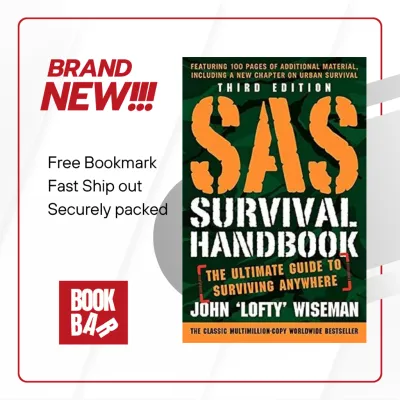

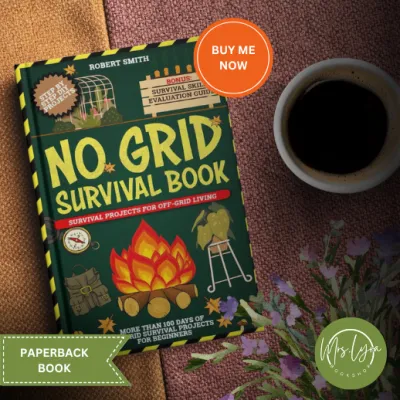
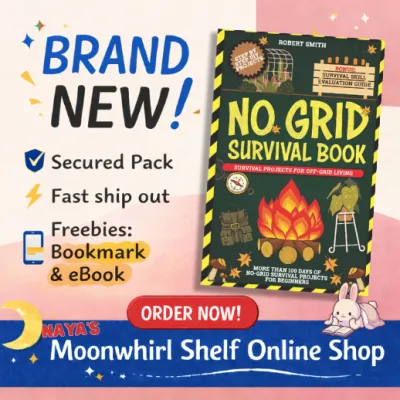
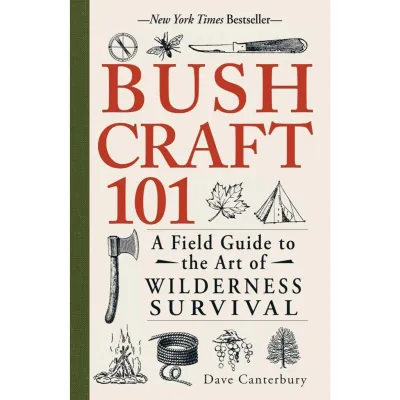
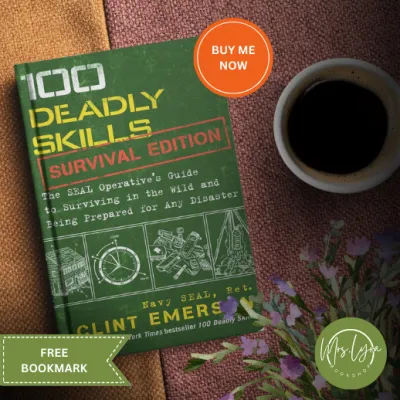

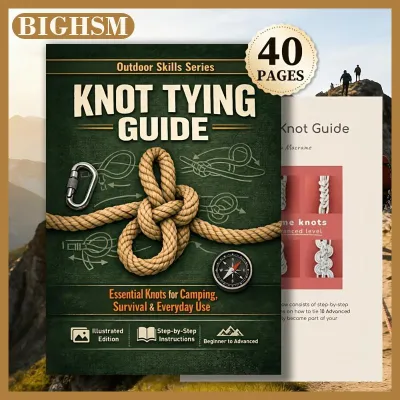
Prices are valid at publication and may change. Please refer to the product page for the latest price.
Core Criteria for Evaluating Survival and Resilience Books
When searching for a high-quality survival book, the first step is to distinguish between actionable frameworks and empty motivational slogans. Many self-help titles rely on toxic positivity, suggesting that a simple change in attitude can solve systemic or deeply personal problems. Instead, prioritize books that acknowledge structural difficulties and offer step-by-step methodologies for coping, adapting, and rebuilding.
Author credibility is a non-negotiable filter. Look for writers who possess formal credentials in psychology, psychiatry, behavioral science, or financial planning. Alternatively, books written by individuals with verified, well-documented lived experiences of surviving extreme adversity can offer profound, practical wisdom. Be cautious of self-proclaimed gurus whose primary credential is their own self-promoted success.
Evaluate whether the book’s core concepts are evidence-based. High-quality resilience literature frequently references peer-reviewed studies, clinical trials, or established psychological frameworks like Cognitive Behavioral Therapy (CBT) and Acceptance and Commitment Therapy (ACT). If a book relies solely on personal anecdotes or unverified success stories, its advice may not be replicable in your own life.
Finally, assess the cultural and socioeconomic relevance of the material. Many popular resilience books are written from a Western perspective, assuming access to robust social safety nets or specific career structures. For readers in the Philippines, it is crucial to consider how these concepts translate to a local context characterized by close-knit family obligations, informal economic sectors, and distinct workplace dynamics. Choose books whose principles remain flexible enough to be adapted to your local reality.
Matching Book Themes to Common Life Challenges
Resilience is not a one-size-fits-all concept; different life crises require distinct psychological and practical tools. A book designed to help you navigate a sudden career transition may offer little comfort or guidance when you are grieving the loss of a loved one. To maximize the impact of your reading, you must match your current primary pain point with the specific genre of survival literature designed to address it.

By categorizing your challenges into clear areas—such as financial instability, professional exhaustion, or emotional trauma—you can narrow down your search to books that offer targeted solutions. This focused approach prevents cognitive fatigue and ensures that the advice you consume is directly relevant to the immediate decisions you need to make.
Navigating Financial Hardship and Economic Resilience
Economic uncertainty and sudden financial shifts require highly practical, grounded literature. When selecting a financial survival book, look for titles that focus on fundamental money management, debt restructuring, and building emergency reserves. Avoid books that promise rapid wealth generation, speculative investment schemes, or effortless passive income, as these often downplay the risks involved.
The ideal financial guide should teach sustainable habits that can be executed even on a tight budget. Look for actionable frameworks on tracking daily expenses, prioritizing essential needs over wants, and negotiating debt repayment terms. These strategies must be realistic enough to apply to everyday transactions in ₱, helping you manage household costs without feeling overwhelmed by complex financial jargon.
In the local context, financial decisions are rarely made in isolation, as family networks and communal obligations often play a significant role in household economics. Look for financial survival books that offer guidance on navigating these interpersonal dynamics, such as setting healthy financial boundaries with relatives or managing shared expenses. Understanding how to balance personal financial stability with familial support is crucial for long-term economic resilience.
Overcoming Career Setbacks and Professional Burnout
The modern workplace can be a source of intense stress, particularly in high-demand sectors like business process outsourcing, healthcare, and corporate services. To combat professional exhaustion, look for books that specialize in burnout recovery, boundary setting, and career adaptability. These books should offer clear indicators of chronic stress and provide structured recovery protocols rather than simple time-management tips.
Differentiate between general career advancement guides and specialized resilience literature. A good career survival book does not just tell you how to climb the corporate ladder; it teaches you how to navigate toxic work environments, handle unfair treatment, and recover from sudden job loss or demotion. Look for frameworks that help you decouple your personal self-worth from your professional identity.
Furthermore, prioritize books that offer practical advice on skill pivoting and adapting to industry shifts. In a rapidly changing job market, the ability to assess your transferable skills and plan a strategic career transition is a vital survival skill. The literature you choose should guide you through the process of rebuilding your professional confidence and establishing healthy work-life boundaries.
Healing from Personal Loss and Emotional Trauma
Grief, personal loss, and emotional trauma require the most sensitive and scientifically sound literature available. When selecting books in this category, prioritize authors who are licensed mental health professionals, clinical psychologists, or grief counselors. The material must treat emotional pain with deep respect, avoiding platitudes that encourage you to simply move on or look on the bright side.
Look for books that explain the physiological and psychological mechanisms of trauma and grief. Understanding how your brain and body react to severe stress can demystify your emotions and reduce the shame often associated with struggling to cope. The book should offer gentle, grounded coping mechanisms, such as somatic exercises, journaling prompts, and mindfulness practices.
Crucially, any reputable book on emotional recovery must emphasize its own limitations. It should explicitly encourage readers to seek professional therapy or counseling when symptoms of trauma, anxiety, or depression persist and interfere with daily functioning. View these books as supportive tools to accompany professional care, rather than complete replacements for clinical support.
Verifying Editions, Formats, and Local Accessibility
Before purchasing any survival or resilience book, it is essential to verify the edition and publication details. Financial advice, psychological research, and workplace strategies evolve over time; reading an outdated edition might expose you to obsolete methods or disproven theories. Check the copyright page to ensure the content reflects current professional standards and contemporary economic realities.
Consider how the book’s format fits into your daily routine and local environment. Physical books are excellent for focused, distraction-free reading, but they require proper care in tropical climates where high humidity and seasonal rains can damage paper pages. If you have a long, crowded daily commute, an e-book or an audiobook might be a far more practical choice, allowing you to consume valuable content hands-free on your mobile device.
Always source your books from authorized local distributors, reputable independent bookstores, or verified digital platforms. Purchasing pirated physical copies or downloading unauthorized digital files often results in missing chapters, severe formatting errors, and poor print quality that hinders readability. Supporting legitimate publishers and local sellers ensures you receive complete, accurate editions while contributing to the sustainable distribution of educational materials.
Building a Sustainable Resilience Reading Routine
Consuming heavy emotional, psychological, or financial content can quickly lead to cognitive overload and reading burnout. To prevent this, establish a paced reading routine that allows you to digest the material gradually. Instead of rushing through a book in a single weekend, commit to reading just one chapter or a set number of pages each day, giving your mind time to process the concepts.
Active reading is key to translating book frameworks into real-life steps. Keep a dedicated journal or digital document where you note down key insights, personal reflections, and specific action items. When a book presents a diagnostic quiz or a practical exercise, take the time to complete it fully rather than skipping ahead; the true value of resilience literature lies in the active application of its principles.
Finally, learn to recognize when a book is no longer serving your immediate needs. If a particular text triggers intense anxiety, feels overly repetitive, or does not align with your current life stage, it is perfectly acceptable to pause reading. You can always return to the book later when you are in a more stable mental or emotional position to absorb its lessons.
Frequently Asked Questions (FAQ)
Are translated self-help books as effective as the original English versions?
Translated self-help books can be highly effective, especially when the translation captures the emotional nuance and cultural context of the target language. Reading a book in your native language can create a deeper emotional resonance, making the advice feel more personal and accessible. However, some precise psychological or technical terms may lose their exact meaning during translation. Before purchasing a translated edition, check reader reviews to ensure the translation is smooth, accurate, and retains the author’s original intent without introducing confusing phrasing.
How can I verify if a survival book is based on scientific research?
To verify if a book is scientifically grounded, flip to the back and look for a comprehensive bibliography, reference list, or endnotes section. Reputable authors will cite peer-reviewed academic journals, clinical studies, and established psychological theories to support their claims. Additionally, check the author’s credentials to see if they have formal training or active affiliations with recognized scientific or clinical institutions. Be skeptical of books that rely entirely on personal anecdotes, make absolute guarantees of success, or use pseudoscientific language without providing verifiable evidence.
Community discussion
Share your experience or ask a question. Comments are reviewed before publication.