
Navigating a demanding career while trying to maintain a fulfilling personal life is a complex challenge, especially for professionals in the Philippines. Between enduring multi-hour daily commutes in dense metropolitan traffic, managing deep-seated family obligations, and working within highly competitive corporate environments, the path to professional achievement often leads directly to physical and mental exhaustion. When chronic stress begins to overshadow your daily achievements, turning to literature for guidance is a natural and proactive step. However, finding the right book requires more than simply picking a bestseller off a shelf; it demands a targeted approach to identify resources that truly understand your specific struggles.
This guide is designed to help you systematically evaluate and select self-help books that offer practical, evidence-based strategies for managing career burnout and achieving a sustainable work-life balance. Rather than presenting a generic list of popular titles, we will explore how to diagnose your personal stressors, evaluate the credibility of various authors, and choose formats that seamlessly integrate into your daily routine. By applying a structured selection process, you can find literature that serves as a practical roadmap for reclaiming your time, energy, and mental well-being.
Identifying Your Specific Burnout and Balance Challenges
Before you begin browsing bookstore shelves or online catalogs, it is essential to diagnose the precise nature of your workplace struggles. Burnout is not a one-dimensional issue; it manifests differently depending on your environment, role, and personal coping mechanisms. Emotional exhaustion, for instance, leaves you feeling completely drained of energy, dreading the start of each workday, and feeling increasingly detached from your tasks. This is distinct from poor boundary management, where you might still possess professional enthusiasm but find yourself unable to stop checking emails late at night or taking on extra projects that compromise your personal life.
Products mentioned in this guide
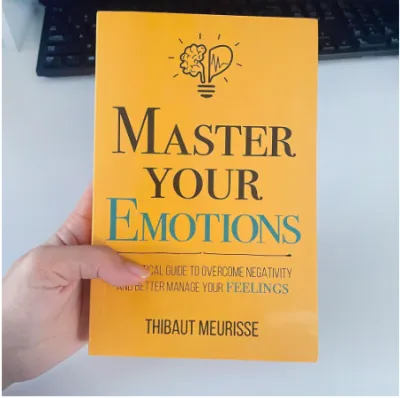
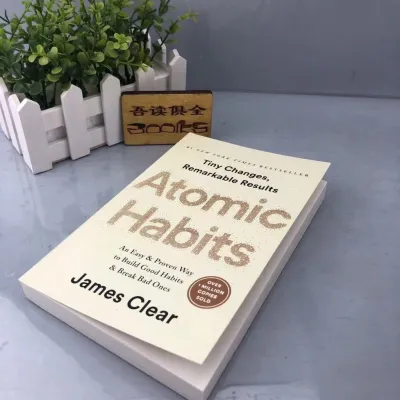



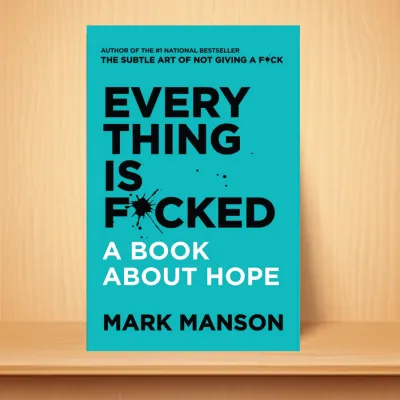
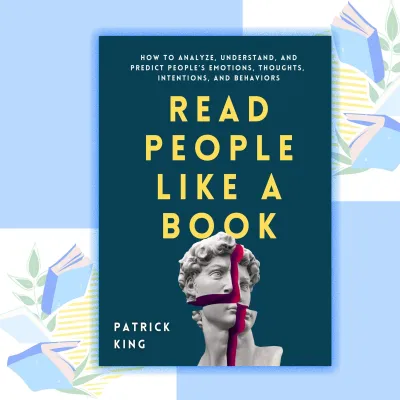
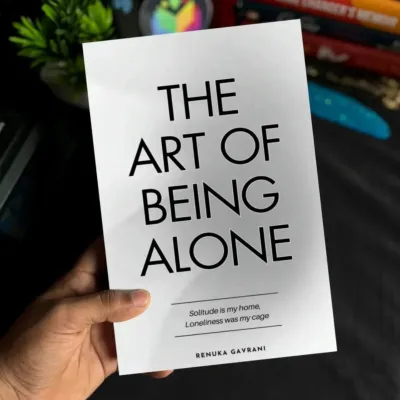
Prices are valid at publication and may change. Please refer to the product page for the latest price.
In the local context, these challenges are frequently compounded by unique cultural factors that make boundary setting particularly difficult. The deeply ingrained value of pakikisama (maintaining social harmony) often translates into a reluctance to say no to superiors or colleagues, even when your workload is already unsustainable. Additionally, the cultural expectation of supporting extended family members can create intense pressure to prioritize financial security and career advancement at the absolute expense of your physical and mental health. Recognizing how these cultural dynamics influence your behavior is a crucial first step in identifying the type of guidance you need.
It is also important to set realistic expectations regarding what a self-help book can actually resolve. A book can provide you with cognitive tools, stress-management techniques, and communication frameworks to navigate difficult situations, but it cannot single-handedly restructure an understaffed department or eliminate systemic organizational issues. Distinguishing between what you can control—such as your personal boundaries, stress responses, and career choices—and what requires systemic change will help you select books that offer realistic, actionable advice rather than frustratingly idealistic solutions.
Core Themes to Explore in Self-Help Literature
When evaluating potential books, look for titles that focus on boundary setting and assertiveness training tailored to high-pressure environments. Effective literature in this category should go beyond basic advice on saying “no” and instead offer step-by-step communication frameworks that help you negotiate workloads, establish clear off-hours, and manage expectations with both managers and family members. These books should teach you how to protect your personal time without damaging professional relationships or neglecting essential familial responsibilities.

Another critical theme to prioritize is energy management rather than simple time management. Traditional time-tracking frameworks often fail when your overall workload is simply too high to fit into a standard day. Instead, seek out books that teach you how to audit and protect your physical, emotional, and mental energy reserves. This approach helps you identify energy-draining activities, schedule high-focus tasks during your peak performance hours, and build intentional recovery periods into your week, ensuring you do not run on empty.
Additionally, look for books that address the psychological roots of overworking, specifically those focusing on mindset shifts and detaching your self-worth from your productivity. Many professionals struggle with burnout because they have internalized the belief that their value as a person is directly tied to their professional output or financial success. Literature that explores resilience, self-compassion, and the psychological transition from “hustling” to sustainable growth can help you cultivate a healthier relationship with your career.
Finally, seek out authors who acknowledge collective family dynamics and community-oriented cultures. Many mainstream self-help books are written from a highly individualistic Western perspective, assuming that readers can easily cut ties or ignore external expectations to focus solely on self-actualization. For professionals in the Philippines, books that offer strategies for balancing personal growth with collective family responsibilities are far more practical and culturally resonant, helping you find harmony without feeling isolated from your community.
Criteria for Evaluating and Selecting the Right Book
To ensure the book you choose is worth your time and energy, establish a strict set of evaluation criteria before making a purchase. Start by verifying the author’s professional credentials and background. Authors with formal training in clinical psychology, organizational behavior, psychiatry, or executive coaching are generally more reliable than self-proclaimed lifestyle gurus. Look for writers who have spent years studying workplace dynamics or treating patients with burnout, as their insights are grounded in professional practice rather than personal anecdotes.
Furthermore, prioritize books that utilize evidence-based psychological frameworks rather than relying on toxic positivity or simplistic motivational slogans. Effective self-help literature often draws from established modalities such as Cognitive Behavioral Therapy (CBT), Acceptance and Commitment Therapy (ACT), or mindfulness-based stress reduction. These frameworks offer scientifically validated methods for reframing negative thought patterns, managing acute stress, and building long-term emotional resilience, ensuring that the advice you receive is both safe and effective.
Actionability is another crucial criterion to assess before buying. A great self-help book should not just explain the theory of burnout; it must provide practical tools to help you implement change. Look for books that feature structured worksheets, self-assessment quizzes, reflection prompts, or step-by-step exercises. These interactive elements allow you to apply the concepts directly to your unique situation, turning passive reading into an active, transformative process that fits into a busy schedule.
Lastly, take the time to read reviews and testimonials from readers who share a similar professional or cultural background. Look for feedback from corporate employees, BPO professionals, or healthcare workers in comparable high-stress environments. If reviewers note that the book’s advice is highly practical and adaptable to demanding corporate structures, it is much more likely to be relevant to your own situation than a book praised primarily for its abstract philosophical concepts.
Navigating Book Formats and Purchasing Channels
Choosing the right format for your self-help book can significantly impact how consistently you engage with the material. If you spend hours commuting in transit or driving through heavy traffic, audiobooks are an excellent option, allowing you to absorb valuable strategies hands-free. For those who spend their entire workday staring at computer screens, physical paperback or hardcover books offer a welcome break from digital devices, reducing screen fatigue and providing a tactile, focused reading experience. Alternatively, e-books are highly portable and convenient for reading in short bursts during lunch breaks or while waiting in queues.
When you are ready to purchase, it is vital to source your books from authorized and reputable channels to ensure you receive authentic, complete editions. Local physical bookstores and their official online storefronts are reliable sources for genuine copies. If you prefer digital reading, stick to established global e-book and audiobook platforms. Be cautious of unauthorized sellers on general online marketplaces offering suspiciously low prices, as these are often poorly printed, pirated copies that may contain missing chapters, formatting errors, or low-quality paper that hinders your reading experience.
Before finalizing your purchase, double-check the specific details of the book edition. Verify the language, publisher, publication date, and regional compatibility for digital formats, and always check the prices in ₱ to ensure they align with your personal budget. Some books also offer companion workbooks or updated editions that contain newer research and exercises, so taking a moment to confirm you are buying the most comprehensive version will maximize the value of your investment.
Translating Reading into Actionable Workplace Changes
Acquiring knowledge from a self-help book is only the first step; the real benefit comes from translating those concepts into daily action. To avoid feeling overwhelmed by a book’s comprehensive advice, focus on setting micro-goals. Choose just one small, manageable habit or boundary to implement each week, such as turning off work-related notifications at a specific hour or taking a dedicated ten-minute screen break during the day. Tracking these small behavioral changes allows you to build momentum and experience immediate, positive results without adding to your existing stress.
Communicating your new boundaries to those around you requires a thoughtful, respectful approach. When discussing workload adjustments with your manager, frame the conversation around maintaining the quality of your output and preventing long-term drop-offs in productivity, rather than simply complaining about stress. When communicating boundaries to family members, explain your needs with clarity and affection, helping them understand that protecting your energy allows you to be more present and supportive when you are with them.
Finally, it is crucial to recognize the inherent limits of self-help literature. While books are excellent tools for self-reflection, skill-building, and mild stress management, they are not a substitute for professional mental health care. If you find that your burnout symptoms are severe, persistent, or deeply affecting your daily ability to function, pause your reading and seek professional counseling, therapy, or HR support. Knowing when to transition from self-guided reading to professional guidance is a sign of strength and a vital step in protecting your long-term well-being.
Frequently Asked Questions (FAQ)
Can reading self-help books replace professional therapy for severe burnout?
While self-help books provide valuable coping strategies, practical frameworks, and psychoeducation, they cannot replace professional therapy for severe burnout. Books are designed for self-guided learning and general stress management, but they lack the personalized assessment, diagnostic capabilities, and clinical support that a licensed psychologist or counselor offers. If your burnout has progressed to persistent feelings of hopelessness, severe anxiety, or physical illness, it is essential to consult a mental health professional who can tailor an intervention plan specifically to your needs.
How do I know if a translated or localized edition is better than the original English version?
Deciding between a translated or localized edition and the original English version depends on your reading comfort and the context of your workplace. To evaluate a translation, check the translator’s credentials and read a few sample pages to ensure the phrasing feels natural and clear. If you work in a multinational corporate environment where English is the primary language of communication, the original English edition may contain terminology and cultural references that align more closely with your daily professional interactions.
What should I do if the advice in a book conflicts with my company's culture?
If a book’s advice conflicts with a rigid or traditional company culture, focus on adapting the core principles rather than applying them rigidly. For example, if direct boundary-setting is viewed negatively in your workplace, you can implement softer, indirect boundaries, such as managing expectations early or focusing on internal mindset shifts and stress-reduction techniques. If you find that the workplace culture is fundamentally toxic and completely resistant to any healthy boundaries, use the book’s strategies to maintain your well-being while actively planning a transition to a more supportive professional environment.

Community discussion
Share your experience or ask a question. Comments are reviewed before publication.