
To achieve genuine self-understanding and sustainable personal growth, moving beyond the simplified advice of popular self-help literature is a vital first step. For readers in the Philippines, finding the right introductory psychology material—often referred to as a Psych 101 book—offers a reliable, evidence-based alternative. The most effective books for this purpose are those that successfully bridge the gap between rigorous academic research and practical, everyday application. By focusing on established scientific principles rather than anecdotal success stories, you can gain a clearer, more objective view of your own behaviors, thoughts, and emotional patterns.
Sourcing these materials locally requires a discerning eye. The Philippine book market features a mix of imported international editions, local reprints, and academic textbooks designed for university classrooms. While a formal textbook might seem intimidating at first, its structured approach to human behavior provides a comprehensive toolkit for self-reflection. To make this journey successful, you must know how to evaluate these texts, identify the chapters most relevant to your personal goals, and translate academic concepts into practical habits that fit your daily life.
What Makes a Psych 101 Book Effective for Personal Growth?
To distinguish a high-quality introductory psychology book from superficial pop-psychology, you must look closely at how the content is structured and supported. Rigorous introductory texts rely on empirical research, which means the concepts are backed by controlled studies, systematic observations, and peer-reviewed findings. In contrast, many commercial self-help books rely heavily on personal anecdotes, sweeping generalizations, or untested theories that promise quick fixes. When evaluating a book, check if the assertions are accompanied by citations, references to classic experiments, or contemporary replication studies.
Products mentioned in this guide
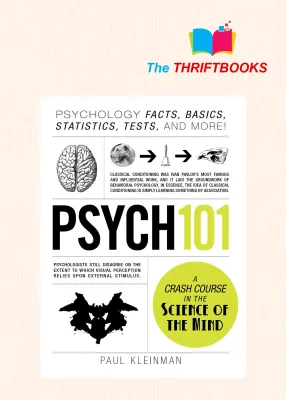
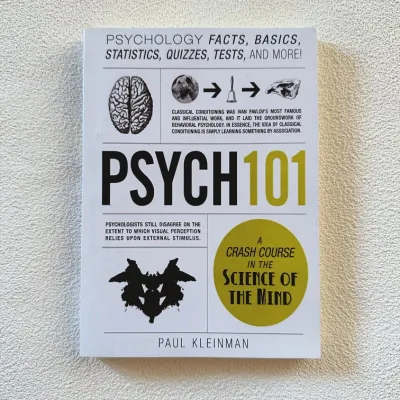
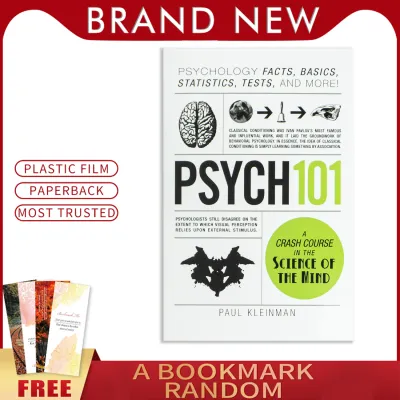

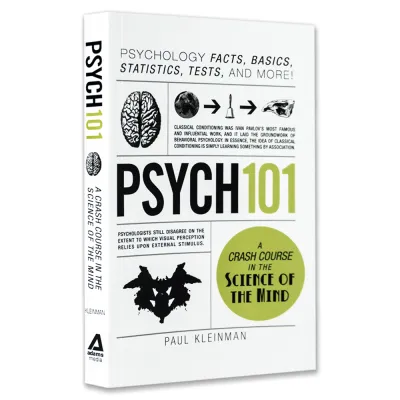
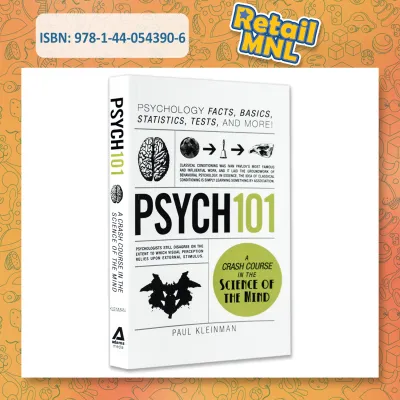
Prices are valid at publication and may change. Please refer to the product page for the latest price.
A major red flag of superficial psychology is the use of absolute claims or universal solutions. Human behavior is highly complex and influenced by a multitude of factors, including genetics, environment, and culture. A reliable Psych 101 book will present theories with their limitations, explaining what scientists do and do not yet understand. If a book promises a single, effortless method to completely reprogram your mind or eliminate stress overnight, it is likely prioritizing marketing over scientific accuracy. Look instead for texts that explain the nuances of cognitive and behavioral processes, allowing you to draw your own informed conclusions.
The credentials of the author and the reputation of the publisher serve as excellent indicators of a book’s reliability. Authors who hold advanced degrees in psychology or related fields and who actively teach or conduct research at accredited institutions are more likely to present a balanced, accurate overview of the discipline. Furthermore, books published by established academic presses, major educational publishers, or recognized scientific organizations undergo rigorous peer-review processes. This ensures that the information presented aligns with the current scientific consensus and is free from misleading or debunked claims.
Psychology is a rapidly evolving field, making the publication date and edition of the book highly significant. Older editions may still contain valuable historical context, but they might also feature theories that have since been modified, expanded, or entirely disproven. For instance, our understanding of neuroplasticity, cognitive biases, and genetic influences on behavior has advanced dramatically over the past few decades. Checking for recent editions ensures you are studying concepts that reflect modern psychological consensus, saving you from dedicating time to outdated models of the mind.
Key Psychological Themes to Target for Self-Improvement
When using an introductory psychology book for personal development, you do not need to read it cover-to-cover like a novel. Instead, you can navigate directly to specific thematic areas that align with your self-improvement goals. Cognitive psychology is an excellent starting point for anyone looking to improve decision-making and learning. This branch of psychology explores how we perceive, process, store, and retrieve information. By studying cognitive biases, such as confirmation bias or the anchoring effect, you can become more aware of the systematic errors in your daily thinking, helping you make more rational choices in your personal and professional life.

Behavioral psychology offers highly practical tools for those looking to build sustainable habits or break unwanted routines. This section of a Psych 101 book typically covers classical and operant conditioning, explaining how environmental cues and consequences shape our actions. Understanding reinforcement schedules, stimulus control, and habit loops allows you to design your daily environment in a way that supports your goals. Whether you want to establish a regular exercise routine in a warm tropical climate or reduce screen time during your daily commute, behavioral principles provide a structured, step-by-step framework for change.
The study of emotion and motivation is equally crucial for self-understanding. Introductory texts cover various theories of how emotions are generated, how they influence our physical bodies, and how we can regulate them effectively. Learning about the physiological aspects of stress, such as the fight-or-flight response, helps you recognize early physical signs of tension and employ evidence-based relaxation techniques. Additionally, understanding the distinction between intrinsic motivation (doing something for its inherent satisfaction) and extrinsic motivation (driven by external rewards) can help you realign your career or personal projects with what truly fulfills you.
Social psychology is particularly relevant for readers navigating interpersonal relationships and community dynamics. This field examines how our thoughts, feelings, and behaviors are influenced by the actual, imagined, or implied presence of others. In close-knit social environments, understanding concepts like conformity, groupthink, and attribution errors can improve how you communicate and resolve conflicts. It also sheds light on self-concept and identity formation, helping you understand how cultural expectations shape your personal values and self-esteem.
Verifying Editions, Formats, and Local Availability
Sourcing academic or high-quality introductory psychology books in the Philippines requires careful attention to publication details and formats. When browsing online marketplaces or local bookstore catalogs, always verify the exact edition and publication year. International student editions are often available at a lower price point than standard domestic editions, yet they generally contain the same core scientific content. Be sure to check if the book is written in English, as most academic psychology texts used in local universities are published in English, ensuring that clinical terms and theories remain standardized and easy to cross-reference.
Choosing the right format depends heavily on your lifestyle, study habits, and environment. Physical textbooks are highly durable and easy to annotate, but they require proper care in humid tropical climates. High humidity can cause pages to warp, yellow, or develop mold over time, so storing physical books in well-ventilated areas or using silica gel packets in closed bookshelves is advisable. If you prefer portability or want to avoid the physical bulk of a heavy textbook, digital formats like e-books are an excellent alternative. Ensure that the e-book format is compatible with your reading device or tablet, and check if the digital platform allows for highlighting and note-taking.
To avoid counterfeit or pirated copies, which are common in unauthorized online listings, always purchase from reputable sources. Pirated books often suffer from poor print quality, missing pages, low-resolution diagrams, and binding that falls apart quickly. Authorized university presses, established brick-and-mortar bookstore chains, and official online brand stores are the safest options. While a genuine textbook may require a higher initial investment, often ranging from ₱1,500 to ₱4,000 or more depending on the edition, the completeness of the content and the durability of the physical book justify the cost.
Before finalizing your purchase, take advantage of content previews and review the seller’s return policy. Many authorized online platforms offer a “look inside” feature that allows you to read the table of contents and the first few pages. Use this preview to assess the writing style and density of the text. If the language feels too academic or dry for your reading preference, you may want to look for an introductory book designed for a general audience that still maintains scientific rigor. Understanding the return policy is also essential in case the book arrives damaged or if there is a mismatch in the edition you ordered.
Translating Textbook Concepts into Daily Practice
Owning a Psych 101 book is only the first step; the real value lies in how you apply its concepts to your daily life. To prevent the material from remaining purely theoretical, practice active reading techniques. Instead of passively scanning the pages, read with a pencil or digital stylus in hand. Annotate the margins with personal examples that relate to the theories described. For instance, when reading about cognitive dissonance, write down a recent situation where your actions did not align with your beliefs, and analyze how you resolved that internal discomfort. Summarizing complex chapters in your own words helps solidify your understanding.
Creating a dedicated self-assessment journal is another highly effective way to internalize psychological concepts. Many introductory texts reference validated psychological scales, such as those measuring personality traits, locus of control, or stress levels. While you should not use these scales for formal self-diagnosis, reflecting on the questions they ask can provide deep insights into your behavioral tendencies. Use your journal to track your habits, emotional triggers, and cognitive patterns over several weeks, applying the behavioral or cognitive frameworks you have learned to observe your progress objectively.
It is important to set realistic expectations when studying academic psychology for personal growth. A textbook describes general human tendencies, statistical trends, and underlying neurological mechanisms; it does not provide a personalized, step-by-step roadmap for your specific life situation. Personal growth is a gradual process that requires patience, experimentation, and consistent effort. Do not expect immediate transformations or instant solutions to long-standing behavioral patterns simply from reading a chapter on habit formation or emotional regulation.
Finally, you must recognize the clear boundary between self-study and the need for professional psychological support. Reading a Psych 101 book can enhance your self-awareness, but it is not a substitute for therapy, counseling, or clinical intervention. If you are experiencing persistent feelings of anxiety, depression, or emotional distress that interfere with your daily functioning, seek the guidance of a licensed psychologist or counselor. A professional can provide personalized, clinical support tailored to your unique needs, using evidence-based therapies that go far beyond what any introductory textbook can offer.
Frequently Asked Questions (FAQ)
Can I use a standard university Psych 101 textbook for self-help?
Yes, you can use a standard university textbook, but you must adapt how you read it. Academic textbooks are designed for structured courses and often contain dense terminology, historical timelines, and methodological details that may not directly serve your personal growth goals. They also lack the guided, reflective prompts found in traditional self-help workbooks. To make a textbook useful for self-improvement, focus on the chapters covering learning, emotion, motivation, and social psychology, and supplement your reading with active journaling to apply the concepts to your own life.
Are translated psychology books as effective as the original English editions?
While translated editions can make psychology more accessible, they sometimes carry risks of losing nuanced clinical and scientific terminology. Psychology relies heavily on precise terms that may not have direct equivalents in other languages, leading to potential misunderstandings if the translation is not highly accurate. If you are comfortable reading in English, sticking to the original English editions is generally recommended, as most global research and local academic discussions in the Philippines are conducted using standard English terminology. If you do choose a translated version, verify that the translator has a strong background in academic psychology.
How do I know if a psychology book is outdated?
You can determine if a psychology book is outdated by checking its publication date and its references to standard diagnostic and scientific frameworks. A reliable introductory book should ideally be published within the last five to ten years to ensure it reflects contemporary research, especially in fast-moving subfields like cognitive neuroscience. Look for references to the current Diagnostic and Statistical Manual of Mental Disorders (DSM-5 or its latest text revision) when discussing mental health concepts. If a book presents outdated theories, such as classical Freudian psychoanalysis, as the primary modern explanation for behavior without mentioning contemporary cognitive or behavioral models, it is likely outdated.

Community discussion
Share your experience or ask a question. Comments are reviewed before publication.