
Gifting a spiritual book for a Catholic sacrament is more than a polite gesture; it is an investment in a person’s lifelong faith journey. When celebrating milestones like baptism, First Holy Communion, or confirmation, choosing high-quality hardbound books ensures that your gift remains a durable, treasured companion for decades. These sturdy editions do not merely sit on a shelf; they withstand the wear and tear of daily prayer, family study, and the humid climate of the Philippines, transforming from a simple ceremonial present into a cherished family heirloom.
Why Hardbound Books Make Lasting Spiritual Keepsakes
A sacrament is a milestone of grace, and the physical gifts accompanying it should reflect that enduring significance. While paperback books are convenient for casual, quick reading, they rarely survive the test of time. Over the years, paperbacks suffer from creased spines, frayed edges, and loose pages, especially when handled frequently by young children or carried in bags to Sunday Mass. Investing in hardbound books provides a physical durability that honors the sacred nature of the text inside.
In the Philippines, the tropical environment presents unique challenges for preserving printed media. High humidity levels, sudden temperature shifts, and common household pests can quickly degrade poorly bound books. A hardbound cover acts as a protective shield, keeping the pages flat and shielding the book block from moisture. This structural integrity is particularly vital for spiritual books designed for daily use, such as Bibles, missals, or prayer books, ensuring they can be passed down to the next generation without falling apart.
Products mentioned in this guide
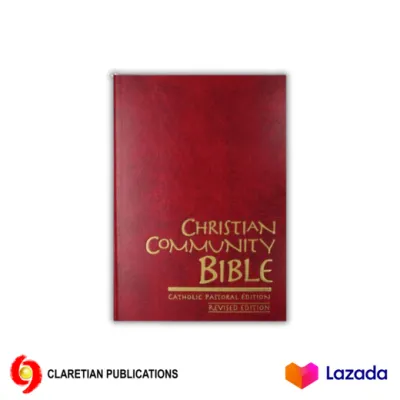


Prices are valid at publication and may change. Please refer to the product page for the latest price.
Beyond physical endurance, a hardbound book carries a distinct psychological weight. When a child or teenager receives a beautifully bound volume with a gold-foiled cover or a ribbon marker, they instinctively recognize its value. This tactile experience fosters a sense of reverence for the spiritual wisdom contained within. As the recipient grows, the book becomes a visual anchor in their room—a constant, tangible reminder of the day they received the Holy Spirit or stood before the altar to receive their first Eucharist.
Matching the Book to the Catholic Milestone
Selecting the perfect spiritual volume requires a thoughtful balance between the theological depth of the text and the developmental stage of the recipient. A book that is too complex may discourage a young reader, while one that is too simplistic will quickly lose its relevance as a child grows. By aligning the book’s language, visual presentation, and structural design with the specific sacrament, you ensure your gift remains both accessible and deeply meaningful.

Baptism and Christening Gifts
Baptism is the gateway to the Christian life, typically received in infancy. Because the child cannot yet read, the gift is shared between the parents, godparents, and the growing infant. For this milestone, hardbound illustrated Bible storybooks and baptismal memory journals are exceptional choices. These volumes allow parents to record sacramental dates and family prayers while introducing the child to biblical narratives through vibrant, high-contrast illustrations.
Durability is paramount for books intended for toddlers. Look for hardbound books featuring thick, heavy-duty paper or board-book style pages that resist tearing and drool. As godparents, your role is to support the child’s spiritual upbringing; gifting a sturdy scripture book provides a practical tool for early faith formation. When the child looks at the colorful pages while sitting on a parent’s lap, they begin to associate reading about God with warmth, safety, and family love.
First Holy Communion
First Holy Communion, usually celebrated between the ages of seven and nine, marks a child’s active participation in the Eucharistic liturgy. At this stage, children are developing independent reading skills and can comprehend basic theological concepts. Excellent gift choices include hardbound children’s missals, age-appropriate catechisms, and collections of stories about the saints.
A dedicated children’s missal helps the child follow the order of the Mass, explaining the rituals, prayers, and responses in clear language. Look for editions featuring engaging illustrations of the Eucharistic celebration alongside simple explanations of what happens at the altar. Saint biographies are also highly motivating at this age, providing young Catholics with real-life heroes of faith whose courage and kindness they can admire and emulate.
Confirmation
Confirmation is the sacrament of spiritual maturity, where candidates—often teenagers or young adults—confirm their baptismal promises and receive the sealing of the Holy Spirit. This milestone demands books with deeper theological substance, mature reflections, and reliable reference tools. A comprehensive Catholic study Bible, a hardbound edition of the Catechism of the Catholic Church, or classic spiritual writings from saints and theologians make excellent gifts.
For confirmands, a study Bible containing detailed historical notes, cross-references, and maps helps them navigate complex scriptural passages during personal prayer or parish youth groups. A hardbound Catechism serves as an indispensable reference tool as they navigate moral and ethical questions in high school, college, and beyond. These books should feature clear layouts, readable fonts, and comprehensive indexes to support lifelong study and intellectual engagement with the Catholic faith.
Key Features to Check Before Buying
To ensure your gift survives decades of use and remains doctrinally sound, it is essential to evaluate the book’s physical construction and editorial credentials before making a purchase.
- Binding and Paper Quality: Examine the spine of the book to determine how the pages are held together. Avoid books that are purely glued at the spine, as the adhesive can dry out and crack over time, causing pages to fall out. Instead, choose books with sewn bindings (often called Smyth-sewn), where groups of pages are stitched together before being secured to the cover. For the tropical Philippine climate, look for acid-free paper with a high-GSM (grams per square meter) rating. This type of paper resists yellowing, crumbling, and ink bleed-through, ensuring the text remains legible for generations.
- Translation and Liturgical Edition: Catholic Bibles and liturgical texts come in several approved translations. In the Philippines, the New American Bible Revised Edition (NABRE) is the standard translation used during the Liturgy of the Word at Mass. Other widely accepted translations include the Revised Standard Version Catholic Edition (RSV-CE) and the English Standard Version Catholic Edition (ESV-CE). Always verify that the translation matches the preferences of the recipient's parish or school to avoid confusion during study.
- Doctrinal Approval: Before purchasing any Catholic book, check the copyright page for official ecclesiastical declarations. Look for the terms Nihil Obstat (meaning "nothing hinders," indicating the book is free of doctrinal error) and Imprimatur (meaning "let it be printed," representing official permission from a bishop to publish). These declarations provide peace of mind that the prayers, explanations, and theological teachings contained in the book align fully with Catholic Church doctrine.
- Language and Edition Completeness: Consider the recipient’s language preference. While English editions are widely used and highly popular in the Philippines, Tagalog or bilingual (English-Tagalog) editions of missals and prayer books can offer a more intimate, deeply understood prayer experience for many families. Additionally, inspect the book to ensure all standard sections are intact, including the table of contents, index of prayers, and any specialized appendices.
Sourcing Authentic Catholic Books in the Philippines
Finding high-quality, authentic hardbound spiritual books requires shopping at reputable retailers. Buying from unverified online sources carries a significant risk of receiving counterfeit copies, poorly bound bootlegs, or books containing doctrinal errors.
To guarantee authenticity, prioritize established Catholic bookstores, diocesan pastoral centers, and shops run by religious congregations (such as the Paulines, St. Pauls, or Word & Life). These organizations source their inventory directly from authorized Catholic publishing houses, ensuring that the books are printed legally, bound professionally, and contain accurate translations. Many of these physical bookstores also maintain official online storefronts on major e-commerce platforms.
When shopping online, verify the seller’s credentials carefully. Check for official publisher badges, look for high customer ratings, and read reviews to confirm the physical quality of the books received by previous buyers. Avoid listings with unusually low prices, pixelated cover images, or missing ISBN details, as these are common indicators of pirated print-on-demand copies. A genuine publisher will always display the correct ISBN and offer a clear return policy in case of printing defects.
Tips for Personalizing and Presenting Your Gift
A hardbound spiritual book becomes infinitely more precious when it carries a personal touch. By taking a few extra steps during presentation, you can transform a beautiful volume into an unforgettable milestone keepsake.
Write a heartfelt dedication directly on the flyleaf—the blank page at the front of the book. Use a high-quality archival pen that will not bleed through the paper. Include the recipient’s full name, the name of the sacrament, the date of the celebration, the parish name, and your own name as the giver or sponsor. Adding a short personal prayer, a word of encouragement, or a favorite scripture verse (such as Numbers 6:24-26 or Philippians 1:3) creates a permanent record of your love and spiritual support.
To protect the book before and after the ceremony, consider its presentation packaging. A custom-fitted slipcase or a protective dust jacket shields the hardbound cover from fingerprints, dust, and moisture during transport. When wrapping the book, avoid using heavy plastic adhesives directly on the cover, as these can ruin the delicate gold foil or leatherette finishes. Instead, wrap the book in acid-free tissue paper before placing it in a gift box, ensuring it arrives at the celebration in pristine, flawless condition.
Community discussion
Share your experience or ask a question. Comments are reviewed before publication.