
Navigating the path of forgiveness after experiencing deep, life-altering emotional pain is one of the most challenging journeys a person can undertake. When the hurt is unforgettable, simply telling yourself to move on is rarely enough. For many readers, turning to literature offers a private, self-paced sanctuary to process complex emotions, untangle resentment, and find a way forward. However, finding the right book requires more than picking a bestseller off the shelf; it demands a thoughtful alignment between the author’s approach, your personal readiness, and the unique cultural landscape that shapes your relationships.
Choosing a book that speaks directly to your specific wound can mean the difference between feeling misunderstood and finding genuine relief. Literature on healing and reconciliation varies widely, ranging from clinical psychological guides to deeply spiritual reflections. By understanding how to evaluate these resources, verify the quality of different editions, and adapt Western self-help concepts to local cultural realities, you can build a personalized reading journey that supports your emotional well-being and respects your personal boundaries.
Understanding Your Healing Needs and Cultural Context
Before selecting a book, it is essential to identify the specific nature of the emotional wound you are carrying. Deep pain manifests in various forms, such as the sudden shock of betrayal, the chronic ache of family estrangement, or the lingering anger from systemic injustices. A book focusing on marital infidelity may not offer the right tools for someone processing childhood neglect or workplace exploitation. Recognizing the specific contours of your grief allows you to seek out authors who specialize in your exact type of trauma.
Products mentioned in this guide





Prices are valid at publication and may change. Please refer to the product page for the latest price.
For readers in the Philippines, the journey of forgiveness is deeply intertwined with distinct cultural values and societal expectations. The emphasis on close family ties and the preservation of interpersonal harmony, often referred to as pakikisama, can create intense pressure to forgive quickly or sweep conflicts under the rug. Additionally, the cultural concept of utang na loob (a debt of gratitude) can complicate boundaries, making family estrangement feel like a social taboo. Religious influences and community expectations often reinforce the idea that forgiveness must be immediate and absolute, sometimes leaving little room for the victim to grieve or establish necessary safety boundaries.
True healing requires distinguishing between internal forgiveness and external reconciliation. Forgiveness is a solo journey—an internal decision to release the grip of resentment and prevent the past from dictating your future emotional state. It does not require the offender to apologize, change, or even be present. Reconciliation, on the other hand, is a bilateral process that depends entirely on mutual effort, safety, and verified behavioral changes. Recognizing this distinction allows you to engage with self-help literature without the fear that forgiving someone automatically means letting a toxic or unsafe person back into your life.
Key Dimensions for Evaluating Forgiveness Books
To find a book that truly resonates, you must evaluate the foundational perspective of the author. Writers generally approach forgiveness through one of three lenses: psychological, spiritual, or memoir-based. Psychological books, often written by licensed therapists or clinical researchers, rely on evidence-based frameworks like cognitive behavioral therapy to help you restructure your thoughts and manage emotional triggers. Spiritual or faith-based books draw on theological principles, offering comfort through concepts of grace, divine justice, and cosmic healing. Memoir-based books offer companionship through shared suffering, showing how another human navigated a similar path of survival and recovery.

Another critical dimension is the balance between theoretical discussion and actionable frameworks. Some readers find comfort in understanding the neuroscience of trauma and the philosophical definitions of mercy. Others require highly practical tools, such as guided journaling prompts, step-by-step boundary-setting exercises, and cognitive worksheets. When browsing potential titles, look at the table of contents and sample chapters to determine if the book offers concrete exercises you can realistically integrate into your daily routine.
Consider also the tone and pacing of the writing. A gentle, highly compassionate tone can feel like a safe harbor when your emotions are raw and fragile. Conversely, some readers prefer a direct, challenging tone that pushes them to confront their own patterns of avoidance or victimhood. The suitability of the tone depends entirely on your current emotional capacity; a book that feels motivating to one person might feel overwhelming or invalidating to another. Finally, assess the relatability of the case studies provided. If the anecdotes feel too distant from your lived experience, the advice may feel difficult to apply to your own life.
Assessing "Forgiving What You Can't Forget" and Similar Titles
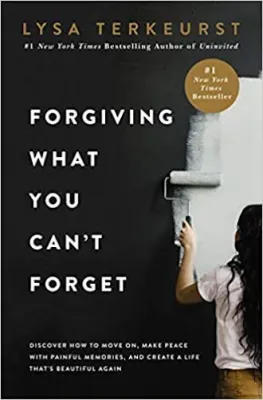
When exploring popular literature in this category, the book Forgiving What You Can’t Forget by Lysa TerKeurst is frequently highlighted for its focus on processing deep, seemingly unresolvable pain. The core premise of this work centers on the idea that forgiveness is a necessary step for the victim’s own freedom, independent of the perpetrator’s actions or repentance. It combines personal narrative with a strong faith-based perspective, making it highly appealing to readers who draw strength from spiritual frameworks when dealing with betrayal or broken trust.
To determine if this specific methodology matches your needs, compare its core concepts against your personal goals. If you are looking for a highly structured, secular psychological manual, a faith-forward approach might require you to translate theological concepts into secular terms, which can add an extra layer of cognitive effort. However, if your personal values align with spiritual reflection, such a book can provide a profound sense of comfort and purpose amidst suffering. It is helpful to read verified reader reviews on independent book platforms, paying close attention to how other readers describe the emotional impact of the book and whether they found the practical steps easy to implement.
It is also important to recognize when a highly popular Western title might not fully translate to your local cultural context. Western self-help often champions individual autonomy and the complete cutting of ties with difficult family members as a primary path to peace. In a highly collectivist society where multi-generational households are common and social safety nets are deeply tied to family networks, complete estrangement is often practically or emotionally impossible. When reading these titles, look for ways to adapt the advice—such as establishing internal emotional boundaries and limited contact rather than assuming a total physical separation is the only path to healing.
Practical Steps for Sourcing and Verifying Book Editions
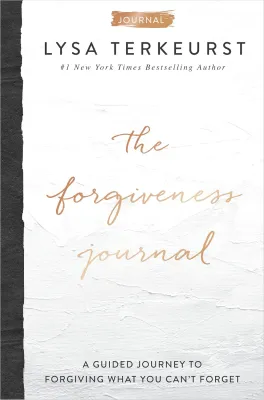
When purchasing self-help books, especially those dealing with sensitive emotional topics, verifying the edition and format is crucial for a complete reading experience. Ensure you are purchasing the unabridged version of the text rather than a condensed summary or an unauthorized reproduction. Check the publication year and the publisher details to confirm authenticity. Some popular titles also offer companion workbooks or study guides; verifying whether these are included or sold separately can help you plan your budget and reading strategy effectively.
Choosing the right format depends heavily on your lifestyle, reading habits, and even your physical environment. Physical books offer a tactile grounding experience, allowing you to highlight passages, write in the margins, and physically close the book when the content becomes too heavy. However, in tropical climates with high humidity, physical books require careful storage to prevent mold, page yellowing, and damage from pests. E-books provide instant access, adjustable font sizes, and privacy, which can be valuable if you prefer to keep your healing journey private from housemates. Audiobooks allow you to absorb the material through a comforting voice while engaging in gentle physical activities like walking, though you must ensure your playback device is compatible and that you have a reliable internet connection for downloading large files.
Before purchasing digital formats, always check for regional restrictions. Some audiobook and e-book platforms restrict access to certain titles based on your geographical location, which can lead to frustration if a purchased title is suddenly unavailable in your region. To ensure you receive high-quality, authorized copies, source your books from established local physical bookstores, official publisher storefronts, or verified online marketplaces. Avoiding counterfeit prints ensures that you do not end up with missing pages, illegible text, or low-quality paper that detracts from your reading experience.
Building Your Personalized Reading Shortlist
To avoid emotional overwhelm, structure your reading journey by categorizing potential books into three distinct phases. “Starting points” should consist of gentle, validating books that help you identify your emotions without demanding immediate action. “Deep dives” are the core workbooks and therapeutic guides that require active participation, journaling, and confronting difficult memories. “Maintenance” books include daily devotionals, poetry, or reflective journals that help you sustain your peace of mind once the acute pain has begun to subside.
Set realistic reading goals that prioritize emotional safety over speed. Reading a book on trauma or forgiveness is not a race; absorbing a single page or chapter a week is perfectly acceptable if the content is heavy. Create a dedicated, comfortable reading space where you feel safe and undisturbed. Keep a journal nearby to write down your reactions, and establish a clear routine for winding down after a reading session, such as practicing deep breathing, drinking a warm beverage, or spending time in nature.
| Reading Phase | Purpose | Recommended Approach |
|---|---|---|
| Starting Points | Emotional validation and identifying core wounds | Read slowly, focusing on self-compassion without rushing to take action. |
| Deep Dives | Active processing, boundary setting, and therapeutic exercises | Use workbooks, write in journals, and limit sessions to short, focused intervals. |
| Maintenance | Sustaining peace, daily reflection, and long-term resilience | Integrate short daily readings or reflective prompts into your morning or evening routine. |
Always remember that self-help books are supportive tools, not a replacement for professional care. If you find that reading about your pain consistently triggers intense anxiety, sleeplessness, or a feeling of hopelessness, it is a clear sign to pause. Knowing when to close the book and seek the guidance of a licensed psychologist, family counselor, or trusted spiritual advisor is a profound act of self-care. By combining the insights gained from carefully chosen literature with professional support, you can navigate the complex terrain of forgiveness at a pace that honors your personal boundaries and leads to lasting peace.
Frequently Asked Questions (FAQ)
Can reading a book replace professional therapy for deep trauma?
No, reading a self-help book cannot replace professional therapy. Books are valuable educational tools that offer general frameworks, validation, and coping strategies, but they cannot provide personalized diagnostic assessments or interactive therapeutic interventions. A licensed mental health professional can tailor therapy to your specific history, monitor your safety, and guide you through evidence-based trauma treatments. If you experience persistent flashbacks, severe anxiety, depressive episodes, or an inability to perform daily activities, it is essential to seek professional psychological support rather than relying solely on literature.
How do I know if a forgiveness book is triggering my trauma instead of helping?
It is common to feel emotional discomfort when reading about painful experiences, but there is a distinct line between productive processing and re-traumatization. You may be experiencing a trauma trigger if you notice physical symptoms like a racing heart, shallow breathing, muscle tightness, or a sudden feeling of nausea. Emotionally, you might feel flooded by intense anger, panic, or a sense of numbness and dissociation. If these feelings persist long after you have closed the book, or if they disrupt your sleep and daily functioning, it is a sign to pause reading and consult a professional.
Are there specific formats better suited for reading heavy emotional content?
The optimal format depends on how you process difficult emotions. Physical books are highly recommended for heavy content because they offer a tactile anchor; the physical act of turning pages and holding the book can keep you grounded in the present moment. They also make it easy to pause, flip back to comforting passages, or close the cover when you need a break. Audiobooks can be beneficial if you find comfort in a warm, empathetic narrator’s voice, which can make the journey feel less lonely. E-books are excellent for privacy, but you should manage screen brightness and blue light to avoid physical fatigue during emotionally taxing reading sessions.

Community discussion
Share your experience or ask a question. Comments are reviewed before publication.