
Selecting the right Filipino songbook requires a clear understanding of your current musical proficiency, your target instrument, and the specific notation format you can comfortably read. Whether you are searching for a specialized HDT songbook—often used to navigate digital karaoke and videoke systems—or a dedicated sheet music collection of Original Pilipino Music (OPM) by local authors, verifying the edition’s authenticity and layout is key. A well-chosen book not only preserves the artistic intent of the original composers but also ensures that your practice sessions are productive, engaging, and tailored to your personal musical goals.
As you explore the diverse landscape of local music publications, you will find everything from basic chord sheets designed for casual gatherings to complex, multi-instrument arrangements intended for formal study. Navigating these options involves assessing the physical durability of the book, the accuracy of the transcriptions, and the legitimacy of the publisher. By focusing on these core elements, you can build a reliable library of Filipino music that supports your growth as a musician and honors the rich heritage of local artists.
Identifying Your Musical Goals and Skill Level
Before purchasing any songbook, it is essential to evaluate your current playing ability and define what you hope to achieve during your practice sessions. Songbooks are generally structured for specific skill levels, and choosing one that matches your current stage of development will prevent frustration and encourage steady progress.
Products mentioned in this guide


Prices are valid at publication and may change. Please refer to the product page for the latest price.
For beginners, chord-and-lyric books are highly recommended. These publications typically feature the lyrics of popular songs with chord symbols printed directly above the words, sometimes accompanied by basic guitar fretboard diagrams or keyboard chord charts. They are ideal for casual strumming, campfire sing-alongs, and developing basic rhythm and timing. Because they do not require the ability to read standard sheet music, these books allow novice players to begin performing familiar OPM classics almost immediately.
Intermediate musicians often require more detailed guidance, such as fingerstyle guitar arrangements or basic keyboard accompaniments. For this level, look for songbooks that incorporate tablature (tabs) alongside standard notation. Tablature provides a visual representation of where to place your fingers on the fretboard, making it easier to learn complex melodic lines, intros, and solos without needing to sight-read traditional notes. These books help bridge the gap between simple chord strumming and complete instrumental performance.
Advanced players and students of formal music theory will benefit most from standard notation sheet music. These collections provide complete transcriptions of the melody, harmony, rhythm, and dynamics of a piece. They are essential for pianists who need fully realized left- and right-hand parts, vocalists who require precise pitch guides, and classical or jazz instrumentalists looking to analyze the harmonic structure of local compositions.
Your choice should also align with your target instrument and preferred genre. While guitarists can easily get by with chord diagrams and tabs, pianists and keyboardists must look for books specifically arranged for keys. Similarly, vocalists should ensure the book includes the vocal melody line rather than just instrumental accompaniment. Whether your interest lies in classic OPM ballads, traditional folk songs, or contemporary local pop, matching the book’s musical style to your personal taste will keep you motivated over the long term.
Core Features to Evaluate in Local Songbooks
When assessing the quality of a local songbook, several technical and physical dimensions deserve close inspection. The first of these is arrangement quality. Some songbooks offer simplified versions of popular tracks to make them accessible to a wider audience, while others provide note-for-note transcriptions of the original studio recordings. If you want to play along with the original tracks, verify whether the book states that the arrangements are in the original keys and match the recorded versions. Simplified books are excellent for learning, but they may omit signature solos or use alternative, easier chord voicings that alter the song’s character.

Notation format is another critical factor. A high-quality songbook should feature clean, legible printing with a layout that is easy to follow while playing. For guitar-focused books, check for the inclusion of a chord library or legend at the beginning of the book or on the page of the song itself. This is especially helpful for OPM ballads, which frequently employ jazz-influenced chords, major sevenths, and suspended voicings that may be unfamiliar to casual players.
Language and lyrics require careful proofreading, particularly in publications featuring regional dialects or bilingual tracks. Authentic local songbooks pay close attention to proper syllable alignment, ensuring that the lyrics are printed directly beneath the corresponding musical notes. This alignment is crucial for vocalists and instrumentalists alike to maintain the correct phrasing and rhythm of the song. Look for editions that respect the linguistic nuances of Tagalog, English, Cebuano, or other regional languages used in the compositions.
Given the tropical climate of the Philippines, the physical build of a songbook is a vital consideration for long-term preservation. High humidity can cause cheap newsprint to warp, yellow, and degrade rapidly. When shopping for physical copies, prioritize books printed on high-quality, wood-free paper or coated matte paper, which resist moisture damage much better.
Binding type is equally important for practical use on a music stand. Standard perfect-bound books (which feature a glued, flat spine) have a tendency to snap shut while you are playing, forcing you to use heavy clips or damage the spine to keep the page open. Instead, look for books with lay-flat binding, such as spiral, comb, or wire-O binding. These formats allow the book to remain completely flat on a music stand or piano desk, ensuring uninterrupted practice sessions. Finally, ensure the print clarity and font size are sufficient for low-light environments, such as dim stages, music rooms, or outdoor evening gatherings.
Navigating HDT Songbooks and Local Publisher Editions
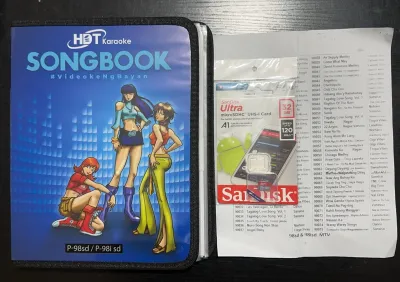
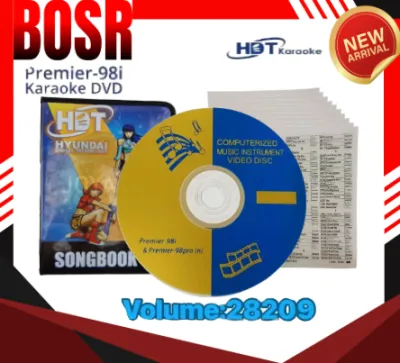
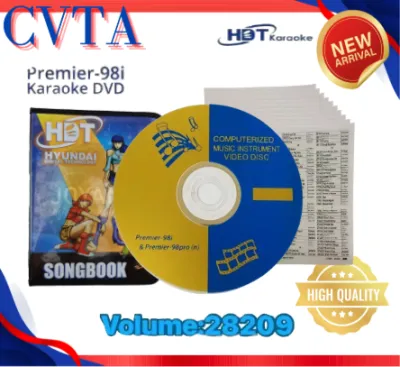
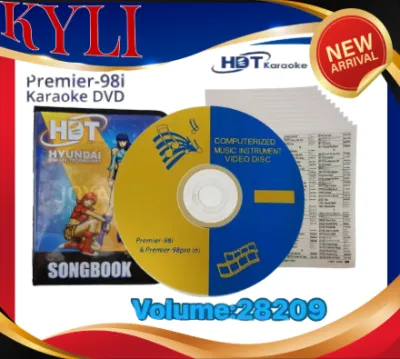
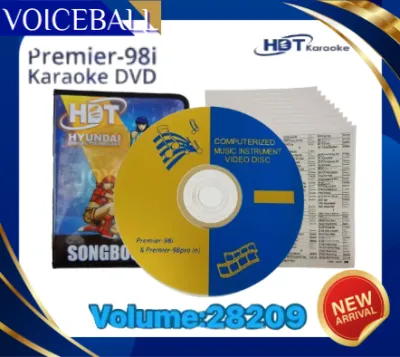
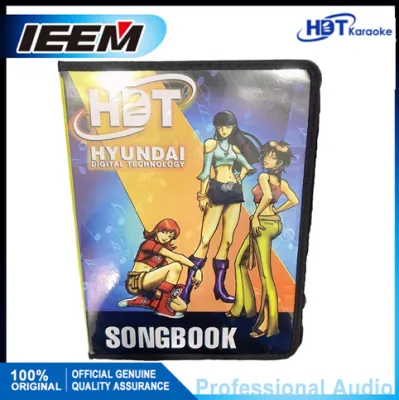
For many music enthusiasts in the Philippines, the term “HDT songbook” refers specifically to the printed song directories used with digital karaoke and videoke systems, such as those produced by HDT Realsound. It is important to distinguish these directories from traditional instructional sheet music or chord books. An HDT songbook is primarily a catalog of song titles, artists, and corresponding numeric codes used to program tracks on a karaoke machine.
When looking for an HDT songbook, your primary goal is to verify compatibility with your specific player model and ensure you are getting the latest volume. Manufacturers frequently release updated volumes containing newer local and international hits. To avoid purchasing an outdated or incompatible directory, check the official publisher directories or the manufacturer’s authorized distribution channels. Verify the release date and volume number printed on the cover to confirm it matches the software version installed on your videoke player.
For traditional instrumental practice, you will want to focus on officially licensed artist compilations and instructional books from established local music publishers. Officially licensed books are created in collaboration with the original artists or their estates, ensuring that the transcriptions are highly accurate and that the creators receive their rightful royalties. In contrast, unauthorized or fan-made books often suffer from poor formatting, incorrect chord progressions, and missing verses.
Many modern local publications now feature integrated multimedia elements to enhance your learning experience. Keep an eye out for books that include QR codes or web links directing you to official backing tracks, video tutorials, or audio reference files. These digital supplements are incredibly valuable for understanding the timing and feel of a piece, especially when practicing complex syncopated rhythms common in contemporary Filipino pop and indie music.
Where to Source and Verify Authentic Copies
To ensure you receive a complete, high-quality, and legally printed songbook, it is best to purchase through authorized retail channels. Established physical bookstores, university presses, and specialized music instrument shops across the Philippines are the most reliable sources for physical copies. Many of these retailers also maintain official flagship stores on major online marketplaces, allowing you to browse their catalogs and purchase authentic editions from the comfort of your home.
When your physical songbook arrives, there are several quick checks you can perform to verify its authenticity. First, look for a valid International Standard Book Number (ISBN) printed on the back cover and copyright page. Authentic publications will also feature clear, high-resolution publisher logos, copyright notices, and sometimes holographic security stickers. Inspect the print quality; pirated or counterfeit copies are often characterized by blurry text, faded ink, uneven margins, and cheap, thin paper that allows ink to bleed through to the other side.
If you prefer digital sheet music or downloadable songbooks, exercise caution to avoid security risks and copyright infringement. Only purchase digital copies from authorized artist websites, verified digital sheet music platforms, or official publisher portals. Legitimate digital downloads typically arrive in secure, watermarked PDF formats or are accessed through dedicated, secure viewer applications. Avoid downloading files from unverified online forums, file-sharing networks, or social media groups, as these files are often incomplete, poorly formatted, and may contain malicious software that can compromise your devices.
Frequently Asked Questions (FAQ)
Are digital songbooks better than physical copies for practice?
Both digital and physical songbooks offer distinct advantages, and the best choice depends on your practice environment and personal preferences. Digital songbooks, viewed on a tablet or laptop, are highly portable and allow you to carry hundreds of scores in a single device. They offer convenient features like digital search, instant page-turning via Bluetooth foot pedals, and adjustable screen brightness, which is highly beneficial for outdoor gigs or low-light settings. However, digital screens can suffer from glare under bright tropical sunlight, and device compatibility or battery life can occasionally interrupt your practice. Physical songbooks, on the other hand, provide a tactile experience, do not require power, and allow you to easily write handwritten annotations, fingerings, and performance notes directly onto the page without needing a stylus.
How can I find songbooks for independent or lesser-known Filipino artists?
Songbooks for independent or niche Filipino artists are rarely found in mainstream commercial bookstores. To locate these unique collections, start by visiting the official websites or social media pages of the artists themselves, as many self-publish their sheet music or sell them as direct-to-fan merchandise at live gigs. You can also explore independent local publishing houses, art book fairs, and specialized cultural shops in major urban centers. Additionally, the libraries and archives of local music conservatories and university music departments often preserve transcriptions and songbooks of historical, folk, and independent Filipino compositions that are otherwise out of print.
Community discussion
Share your experience or ask a question. Comments are reviewed before publication.