
Finding a quiet moment for personal reflection can be a challenge in a bustling daily routine. While formal, communal liturgies provide the structural backbone of Catholic life, individual devotion requires a different kind of space—one where you can speak to God with complete vulnerability. A personal prayer book serves as a gentle guide in these quiet moments, helping you articulate deep emotions, silent worries, and profound gratitude. For many believers, finding a “straight from the heart prayer” book means seeking out pages that feel less like a rigid script and more like an intimate conversation with a trusted friend. This guide will help you navigate the diverse landscape of Catholic devotional literature, offering practical frameworks to evaluate, select, and verify prayer books that foster a sincere, personal connection with the divine.
Defining "Straight-from-the-Heart" Personal Prayer Books
To choose the right devotional companion, it is essential to understand what sets personal prayer books apart from other religious texts. These volumes are specifically crafted to facilitate intimate, one-on-one dialogue with God. Unlike books designed for public worship, they prioritize a conversational tone, emotional resonance, and themes that touch on the practical realities of daily life. They do not replace the sacraments or communal worship; rather, they enrich your private spiritual life so that you can participate more deeply in those communal settings.
In contrast, liturgical texts like the Roman Missal or the Liturgy of the Hours serve a highly structured, communal purpose. These books contain the official, universal prayers of the Church, designed to unite millions of voices in a single, coordinated act of worship. While they are beautiful and spiritually rich, their formal language and rigid rubrics can sometimes feel distant to a reader seeking to express immediate, personal feelings. Personal prayer books fill this gap by offering a flexible space where the language is accessible, direct, and deeply reflective of individual human experiences.
Products mentioned in this guide







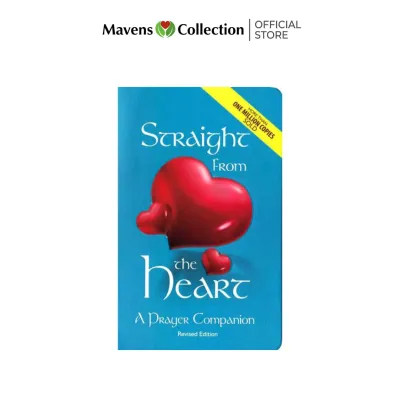
Prices are valid at publication and may change. Please refer to the product page for the latest price.
When searching for the right tone, look for books where the author speaks from a place of shared vulnerability. Many of the most beloved personal prayer books are written by authors who share their own spiritual struggles, doubts, and triumphs. This approach shifts the focus from abstract theological concepts to practical, lived faith. Instead of reading purely academic theology, you are invited to walk alongside another soul, finding comfort in the realization that your daily challenges—whether they involve family life, work stress, or personal health—are shared by others and are deeply cared for by God.
Key Dimensions for Evaluating Personal Prayer Books
Evaluating a personal prayer book requires looking beyond the cover to understand how its structure aligns with your daily habits. Different books employ various formats to guide your thoughts, and selecting the right style is key to maintaining a consistent prayer routine. For instance, some readers thrive with guided meditations that offer a short scripture passage followed by reflective questions. Others prefer journaling prompts that invite them to write down their own thoughts, turning the act of writing into a form of prayer. Spontaneous conversational prayers, which provide ready-made words for moments when you feel too overwhelmed to speak, are also highly valuable for quick, heartfelt connection throughout a busy day.

Thematic focus is another critical dimension to consider. Our spiritual needs change as we navigate different seasons of life. A book focused on finding peace during times of anxiety or grief will read very differently from one centered on gratitude, career discernment, or family blessings. When evaluating a book, browse the table of contents to see if the topics address your current spiritual state. Having a dedicated book for a specific trial or transition can provide targeted comfort, helping you find the exact words you need when your own strength feels depleted.
The background of the author also shapes the book’s perspective and style. Writings from canonized saints offer timeless wisdom and a connection to the rich history of Catholic mysticism. These texts can be incredibly profound, though they sometimes require a slower, more meditative reading pace to fully digest. On the other hand, contemporary clergy and lay authors often write with a modern sensibility, addressing issues like digital distraction, work-life balance, and modern relationship dynamics. Deciding whether you seek the traditional depth of the saints or the immediate relatability of a modern writer will help you narrow down your choices.
Formats, Editions, and Physical Features
The physical format of a prayer book plays a significant role in how easily you can integrate it into your daily life. If you find yourself praying during a daily commute, in a quiet office corner, or while traveling, a compact pocket edition is highly practical. These smaller volumes are lightweight and designed to fit easily into a bag or pocket, ensuring that a source of spiritual comfort is always within reach. Conversely, if you have a dedicated prayer space or home altar, a larger desktop edition with a durable hardcover might be more appropriate, offering a sense of permanence and reverence to your quiet hours.
Usability features such as layout, font size, and binding are equally important. A book with clear, readable typography prevents eye strain during early morning or late-night reflections when lighting might be dim. Generous margins are a valuable feature for those who like to write down personal notes, dates of answered prayers, or cross-references to scripture. Furthermore, look for books with durable binding, such as Smyth-sewn sections, which allow the book to lay flat on a table without the pages springing shut, enhancing your comfort during extended reading sessions.
In tropical environments, the physical materials of the book require extra consideration. High humidity can cause standard paper to warp, absorb moisture, and deteriorate quickly over time. To ensure your prayer book lasts for years of daily use, look for editions featuring high-quality, wood-free paper, or covers made of durable materials like flexible vinyl or leatherette. These materials offer better resistance to moisture and wear, preserving the pages even with frequent handling in warm, humid climates.
Finally, pay close attention to language and translation details. Catholic prayer books are available in English, Tagalog, and various regional languages, as well as bilingual formats. It is crucial to verify that the translation used is complete, unabridged, and written in a style that resonates with your personal way of thinking. Reading a sample page beforehand can help you determine if the vocabulary feels natural and supportive of a genuine, heartfelt dialogue.
Sourcing and Verifying Prayer Books in the Philippines
Finding authentic Catholic prayer books in the Philippines involves knowing where to look and how to verify the quality of the publication. Established Catholic bookshops, parish-run gift shops, and diocesan publishing houses are the most reliable physical sources. These venues curate their selections carefully, ensuring that the books they carry align with Catholic teachings and traditions. Visiting these shops also allows you to physically handle the books, check their print quality, and read a few pages to see if the tone suits your devotional style.
If you prefer shopping online, many reputable Catholic publishers and diocesan bookstores operate official storefronts on major ecommerce platforms. When purchasing online, it is important to exercise caution to avoid low-quality, unauthorized reprints or counterfeit editions. Always check that you are buying directly from the official store of a recognized publisher or a trusted distributor. Reading customer reviews specifically regarding the physical print quality, paper thickness, and packaging can help ensure you receive a genuine, durable product.
Before making a purchase, utilize a simple verification checklist to confirm the book’s authenticity and content. Check the International Standard Book Number (ISBN) to ensure it matches official catalog listings. Verify the publisher’s reputation and look for the publication date to understand if you are buying a classic text or a contemporary release. Many online listings provide a “look inside” feature or a detailed table of contents; take advantage of these tools to review the writing style and ensure the book meets your expectations before committing to a purchase.
Theological alignment is another vital consideration when selecting prayer books. For formal prayer collections, devotions, and doctrinal guides, look for ecclesiastical approvals such as the Nihil Obstat and the Imprimatur. These Latin terms indicate that the book has been reviewed by church authorities and found to be free of doctrinal or moral error. While purely personal reflection journals or modern lay devotionals may not always carry these formal seals, they remain valuable tools for personal growth. If you ever feel uncertain about the theological soundness of a particular author or book, consulting a parish priest or a spiritual director can provide valuable clarity and peace of mind.
Frequently Asked Questions (FAQ)
Can I use a formal liturgical book for personal heartfelt prayer?
Yes, formal liturgical books can certainly be adapted for personal, heartfelt prayer. While books like the Liturgy of the Hours or the Roman Missal are primarily designed for communal, structured worship, their contents—especially the Psalms, scripture readings, and ancient collects—are rich sources of personal reflection. Many Catholics find that meditating slowly on a single psalm or a specific liturgical prayer allows them to connect deeply with their own emotions and spiritual needs. The key is to shift your approach from a formal recitation to a slow, contemplative reading, allowing the timeless words of the Church to give voice to your personal, quiet conversations with God.
How do I ensure a prayer book aligns with Catholic teaching?
Ensuring a prayer book aligns with Catholic teaching involves a few straightforward checks. First, look for official ecclesiastical declarations, specifically the Nihil Obstat (which states that nothing stands in the way of publication) and the Imprimatur (the official permission to print), usually found on the copyright page. Second, purchase your books from reputable Catholic publishers, diocesan bookstores, or official parish shops. Finally, take time to research the author’s background and read trusted reviews from Catholic communities. If you are considering a contemporary or self-published book that lacks formal ecclesiastical seals, consulting a parish priest or a spiritual director is an excellent way to verify its theological soundness before integrating it into your daily devotions.
Community discussion
Share your experience or ask a question. Comments are reviewed before publication.