
Establishing a consistent daily prayer routine is a deeply personal and spiritually rewarding journey. In the Philippines, where faith is woven into the fabric of daily life, a reliable Catholic prayer booklet serves as a steadfast companion. Whether you are navigating a crowded morning commute, spending a quiet moment in an adoration chapel, or gathering with family around a home altar, having a dedicated physical booklet helps ground your thoughts and focus your intentions. However, with countless options available in local bookstores and parish shops, selecting the right booklet requires careful consideration of your specific devotional needs, lifestyle, and the physical durability of the print.
Choosing the perfect devotional companion involves looking beyond an appealing cover. A well-chosen prayer booklet should align with your daily schedule, withstand the local climate, and carry the necessary ecclesiastical approvals to ensure doctrinal accuracy. By understanding what to look for in terms of content, format, and authenticity, you can select a spiritual tool that will support your prayer life for years to come.
Key Criteria for Selecting a Daily Prayer Booklet
When choosing a prayer booklet for everyday personal use, the first step is to evaluate its content scope. Some booklets are designed as comprehensive handbooks containing a wide array of traditional prayers, while others are highly focused on specific devotions. If you want a single booklet that covers all your daily needs, look for editions that include essential morning and evening prayers, the Rosary, the Angelus, and common novenas. Conversely, if you already have a primary prayer book and want to deepen a specific devotion, a specialized booklet focusing solely on one saint or spiritual practice may be more appropriate.
Products mentioned in this guide
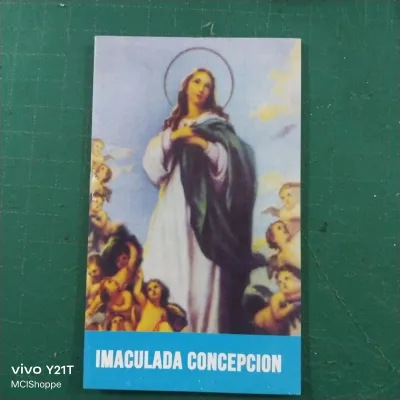
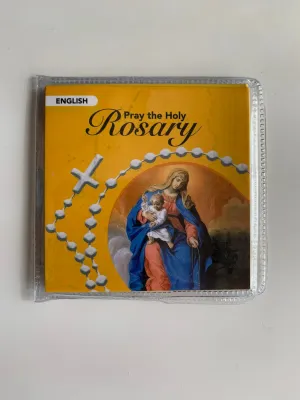
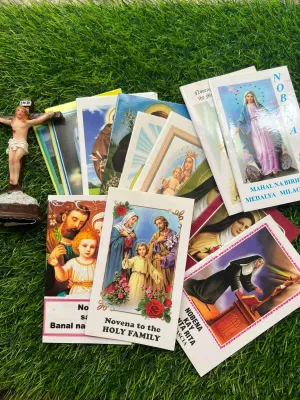

Prices are valid at publication and may change. Please refer to the product page for the latest price.
Physical format and durability are critical factors, especially given the tropical climate and active daily routines in the Philippines. High humidity, sudden monsoon rains, and the wear-and-tear of daily travel can quickly degrade poorly bound booklets. If you plan to carry your booklet in a bag or pray during your daily commute, a pocket-sized edition with a laminated or leatherette cover is highly practical. For home use, particularly on a family altar (altarito), a larger, standard-sized booklet with a sturdier binding and thicker paper may be preferable, as it lies flat and is easier to read during extended periods of reflection.
Language is another deeply personal choice that affects the intimacy of your prayer. Catholic prayer booklets in the Philippines are widely available in English, Tagalog, and various regional languages such as Cebuano, Ilocano, or Hiligaynon. Many readers find that praying in their native tongue allows for a more profound emotional and spiritual connection. Bilingual editions, which feature English and local translations side-by-side, are also excellent options, offering flexibility for both private reflection and participation in community devotions.
Finally, verifying ecclesiastical approval is essential for ensuring that the prayers and reflections align with Catholic doctrine. Authentic Catholic publications carry specific declarations of approval from church authorities, usually found on the copyright page. These marks guarantee that the content has been reviewed and found free of doctrinal or moral error, giving you peace of mind as you integrate these prayers into your daily spiritual life.
Types of Prayer Booklets for Different Devotional Needs
To build a meaningful prayer routine, it helps to match your booklet with your specific spiritual goals. Morning and evening prayer compilations are designed to anchor your day in faith. These booklets typically offer structured routines, starting with a morning offering to dedicate your day’s work, joys, and sufferings to God. In the evening, they guide you through an examination of conscience, helping you reflect on your actions, seek forgiveness, and find peace before sleep. This structured approach is ideal for busy professionals and students who want to establish consistent prayer habits amidst a demanding schedule.

Marian devotion booklets are central to the spiritual lives of many Filipino Catholics. These publications focus heavily on the Rosary, providing scriptural reflections for the Joyful, Luminous, Sorrowful, and Glorious Mysteries. They also include traditional Marian prayers such as the Angelus, the Regina Caeli, and various Marian litanies. For those who participate in weekly devotions, such as the Wednesday novena to Our Lady of Perpetual Help, having a dedicated Marian booklet ensures you can follow along with the community prayers and deepen your contemplation of Mary’s role in salvation history.
Eucharistic adoration and Mass preparation guides are invaluable tools for deepening your participation in the sacraments. These booklets are specifically designed for use during Holy Hour or when visiting the Blessed Sacrament. They offer prayers for spiritual communion, structured meditations on the Real Presence, and prayers of thanksgiving to recite after receiving Holy Communion. By guiding your thoughts before and after Mass, these booklets help transition your mind from the distractions of the outside world into a state of reverence and active participation.
Seasonal booklets are tailored to help you enter fully into the spirit of specific liturgical periods. Throughout the year, the Church transitions through seasons of preparation, penance, and celebration. Dedicated booklets for Lent often feature the Stations of the Cross (Via Crucis), which is a cornerstone of Filipino Holy Week traditions. Advent booklets provide daily reflections to prepare your heart for Christmas, while specialized novena booklets support local traditions like Simbang Gabi, the nine-day dawn masses leading up to the Nativity. Utilizing these seasonal guides allows your personal prayer life to harmonize beautifully with the wider Church calendar.
What to Verify Before Purchasing
Before finalizing your purchase of a Catholic prayer booklet, performing a quick quality and authenticity check will ensure you receive a reliable, doctrinally sound publication. Always look for the Imprimatur and Nihil Obstat on the copyright or publication details page. The Nihil Obstat (Latin for “nothing hinders”) indicates that a diocesan censor has reviewed the text and found no doctrinal errors, while the Imprimatur (Latin for “let it be printed”) is the official authorization by a bishop or church authority to publish the work. The absence of these marks on a booklet claiming to be an official Catholic devotion is a significant red flag.
It is also important to verify the edition and publication year of the booklet. Liturgical translations and calendar alignments can change over time. For instance, translations of specific prayers or Mass responses may be updated by the Holy See or the local episcopal conference to reflect more accurate scriptural meanings. Checking the publication date ensures that you are using the current approved translations utilized in your local parish, preventing confusion during communal worship.
Always review the table of contents or index before buying to confirm that the booklet contains the specific prayers you need. If you are looking for a booklet to help you pray for deceased loved ones, ensure it includes the Novena for the Holy Souls in Purgatory. If you require prayers for family protection, work, or healing, verify that these sections are present. Relying solely on a booklet’s title can sometimes lead to disappointment if key devotions you practice regularly are missing from the actual text.
Lastly, assess the physical readability of the booklet under different lighting conditions. Many adoration chapels and parish churches have dim, ambient lighting conducive to quiet contemplation. If the font size is too small or the layout is overly cramped, you may find yourself straining your eyes rather than focusing on prayer. Look for clean layouts with clear headings, generous line spacing, and high-contrast printing. If you prefer to highlight passages or write personal reflections in the margins, check that the paper quality is thick enough to prevent ink from bleeding through to the next page.
Where to Source Authentic Catholic Booklets in the Philippines
To ensure you are purchasing genuine, authorized religious materials, it is best to source your prayer booklets from established Catholic bookstores and diocesan media centers. Recognized religious publishing arms in the Philippines, such as St. Pauls, Paulines, Word & Life Publications, and Claretian Communications, operate physical retail stores in major shopping malls and near historic churches. Purchasing directly from these publishers guarantees that the booklets are authentic, properly licensed, and carry the necessary ecclesiastical approvals.
Parish gift shops and shrine bookstores are also excellent, highly reliable sources for devotional materials. These shops are often managed directly by the parish or a religious congregation, ensuring that the inventory is curated to align with Catholic teachings. Shopping at parish stores is particularly beneficial if you are looking for localized novenas dedicated to a specific patron saint of a town or shrine, such as the Black Nazarene in Quiapo or Our Lady of Peace and Good Voyage in Antipolo. Furthermore, the proceeds from these purchases directly support the maintenance of the parish and its local community programs.
If you prefer the convenience of online shopping, you can find authentic prayer booklets on reputable e-commerce platforms, provided you exercise caution. Many established Catholic publishing houses maintain official flagship stores on major online marketplaces. When browsing online, always verify that the seller is the official publishing house or an authorized distributor. Look for verified seller badges, read customer reviews regarding print quality and packaging, and check the product description for mentions of the publisher and ecclesiastical seals.
Avoid purchasing from unverified third-party listings that lack clear publication details or publisher information. The digital marketplace often features unauthorized, poorly photocopied, or self-published booklets that have not undergone theological review. These counterfeit prints frequently contain typographical errors, missing pages, or unapproved alterations to traditional prayers. By prioritizing official channels, you protect yourself from inaccurate materials and actively support the ministries that produce these valuable spiritual resources.
Frequently Asked Questions (FAQ)
Do I need a separate booklet for daily Mass readings?
Yes, if you wish to follow the specific scripture readings assigned for each day’s Mass, you will generally need a separate publication. Standard daily prayer booklets contain fixed, repetitive prayers and devotions that do not change from day to day. In contrast, the scripture readings for Mass change daily according to a three-year Sunday cycle and a two-year weekday cycle.
To follow these daily readings, you should look for a daily missal, an annual liturgical guide, or a monthly missalette. Some comprehensive prayer handbooks may include a basic liturgical calendar indicating which feast days fall on which dates, but they rarely contain the full biblical texts for the daily readings. Many Catholics find it helpful to use a standard prayer booklet for their personal morning and evening devotions, while relying on a dedicated missal or an approved digital liturgical application for the daily Mass readings.
How can I ensure a prayer booklet is doctrinally sound?
To ensure a prayer booklet is doctrinally sound, you should look for the official ecclesiastical declarations known as the Nihil Obstat and the Imprimatur. These declarations are typically printed on the copyright page or the first few pages of the booklet. They indicate that the content has been examined by an official censor and approved by a bishop, ensuring it contains nothing contrary to Catholic faith and morals.
If you encounter a prayer booklet that lacks these marks, or if the publication details are vague, it is wise to exercise caution. Some popular devotions or private revelations printed in unauthorized booklets may not be recognized or approved by the Church. If you are unsure about the doctrinal soundness of a particular booklet or a specific prayer, you can consult a parish priest or contact your diocesan office for guidance before integrating it into your regular prayer routine.
Are bilingual English and Tagalog prayer booklets widely available?
Yes, bilingual prayer booklets featuring English and Tagalog texts are widely available and highly popular in the Philippines. Local Catholic publishing houses recognize that many Filipinos appreciate the flexibility of praying in both languages, depending on the setting and personal preference. These bilingual editions often present the prayers side-by-side or in alternating sections, making them incredibly useful for families and community groups.
When shopping for a bilingual booklet, it is helpful to check the product description or browse the sample pages to ensure the layout suits your reading style. You should also verify that the translations used are those approved by the Catholic Bishops’ Conference of the Philippines (CBCP). This ensures that the wording matches the prayers recited during communal parish services, allowing you to participate seamlessly in both private and public worship.
Community discussion
Share your experience or ask a question. Comments are reviewed before publication.