
Selecting the right Bible comic book for Catholic children in the Philippines requires balancing vibrant visual storytelling with strict doctrinal accuracy. While graphic novels and comic books are excellent tools for capturing a child’s imagination, not all illustrated scriptures align with Catholic teachings. Parents must look beyond appealing cover art to verify ecclesiastical approvals, translation sources, and age-appropriate content. By choosing carefully, families can transform reading time into a meaningful faith-formation experience that complements parish catechesis and fits the local cultural context.
Using visual media to teach the faith is a time-honored Catholic tradition, dating back to the stained-glass windows of medieval cathedrals. Today, Bible comic books serve a similar purpose, translating complex historical narratives and spiritual truths into accessible, sequential art. However, because the local market features a wide variety of imported and locally printed religious materials, parents must be discerning. A well-chosen comic book not only teaches biblical history but also fosters a deep, lifelong relationship with the Church and the sacraments.
Quick Selection Guide for Catholic Bible Comics
When shopping for a Bible comic book, parents often face overwhelming options in local bookstores and online marketplaces. To make an efficient and informed decision, focus on three core selection pillars: catechism alignment, age-appropriate complexity, and visual engagement. These pillars ensure that the book is both doctrinally safe and highly appealing to young readers.
Products mentioned in this guide
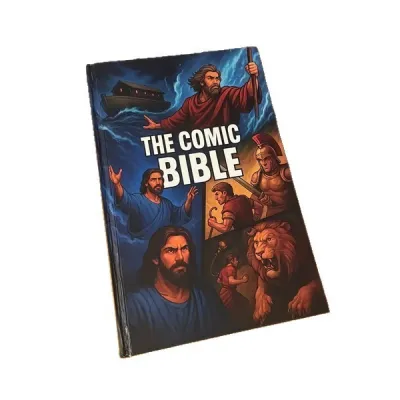
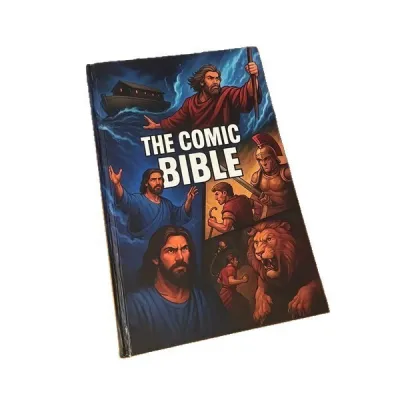
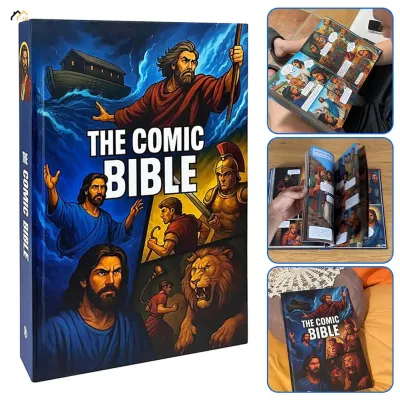
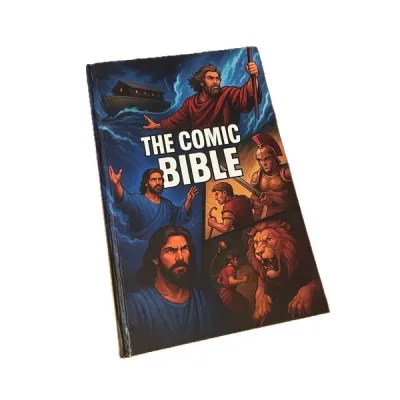
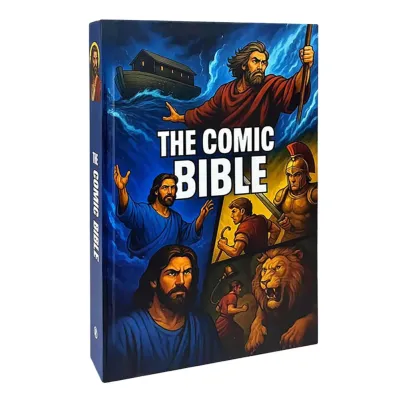
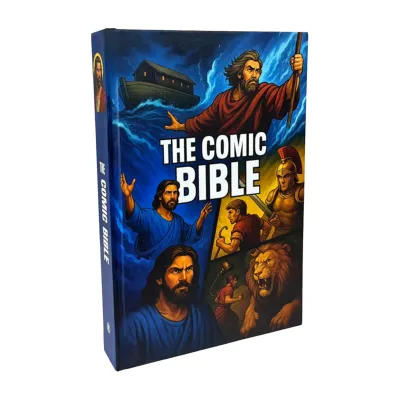
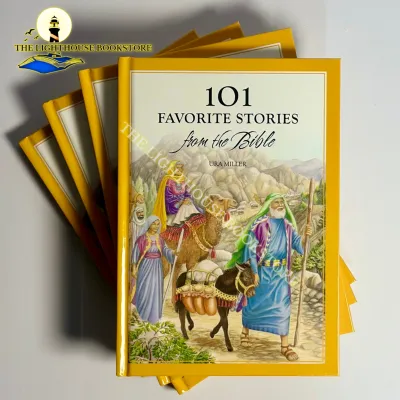
Prices are valid at publication and may change. Please refer to the product page for the latest price.
Immediate action steps can quickly filter out unsuitable materials before you make a purchase. First, open the book or view the online preview to inspect the copyright page for official Catholic approvals. Second, flip through the pages to assess the text-to-image ratio, ensuring the illustrations clarify rather than distort the scriptural narrative. Finally, check the table of contents to confirm the inclusion of deuterocanonical books, which are essential to the Catholic biblical canon.
Distinguishing between general Christian and specifically Catholic publications is the most critical step in this process. Many widely available Bible comics are produced from a Protestant perspective. While these books often feature high-quality artwork and accurate historical timelines, they frequently omit seven books of the Old Testament and may present theological narratives that diverge from Catholic teachings on the sacraments, the role of Mary, and the authority of the Church.
Core Criteria for Evaluating Bible Comic Books
Evaluating a Bible comic book goes beyond checking the illustrations; it requires a careful assessment of theological accuracy, educational value, and artistic quality. Because children absorb visual information quickly, the images they see will shape their early understanding of God, the saints, and salvation history. Therefore, the criteria for selection must be rigorous and multi-layered.

Doctrinal fidelity is the primary benchmark for any Catholic educational resource. Parents should look for clear markers of Catholic approval, which indicate that the text and illustrations have been reviewed by church authorities. These markers guarantee that the book does not contain theological errors or interpretations that conflict with the Catechism of the Catholic Church. Without these assurances, a comic book might inadvertently introduce concepts that confuse a child during their preparation for sacraments like First Holy Communion.
The balance between text and image is another crucial factor to consider. Visual storytelling should support and elevate the scriptural text, not overshadow or sensationalize it. Some graphic novels adopt an overly aggressive or dark art style to appeal to secular comic fans, which can sometimes strip biblical narratives of their sacred character. Look for clean, expressive artwork that conveys the dignity of the biblical figures while remaining engaging and dynamic enough to hold a child’s attention.
Supplementary educational features add significant value to a Bible comic book. High-quality editions often include theological notes, historical glossaries, maps of the ancient world, and parent-led discussion questions. These features help bridge the gap between casual reading and active faith formation. They allow parents to explain difficult passages, clarify historical contexts, and connect the comic’s stories directly to the readings heard during Sunday Mass.
Ensuring Alignment with Catholic Catechism
To guarantee that a Bible comic book aligns perfectly with Catholic doctrine, parents must learn how to identify specific ecclesiastical approvals. The most reliable indicators are the Nihil Obstat and the Imprimatur, which are typically printed on the copyright page of the book. The Nihil Obstat is an official declaration by a church censor that the work contains nothing contrary to faith or morals, while the Imprimatur is the bishop’s formal permission to publish the book.
Beyond these official seals, parents should look for Catholic-specific visual and narrative elements within the comic itself. For instance, the depiction of the Annunciation should reflect Catholic Marian theology, highlighting Mary’s unique role in salvation history. Similarly, illustrations of the Last Supper should clearly convey the institution of the Holy Eucharist, laying a visual foundation for the doctrine of the Real Presence. The depiction of Saint Peter should also reflect his unique leadership role among the apostles, aligning with Catholic teachings on the papacy.
Conversely, parents must remain vigilant against common theological deviations or omissions in visual adaptations. Some general Christian comics may depict the sacraments as purely symbolic gestures or omit references to the communion of saints. Others might present a highly individualistic view of faith that minimizes the role of the Church community. By carefully reviewing how these key theological concepts are illustrated, parents can ensure their children receive a cohesive and accurate introduction to Catholic doctrine.
Matching Comic Books to Your Child's Age and Stage
Children process visual and textual information differently depending on their developmental stage. To maximize the educational and spiritual impact of a Bible comic book, parents must match the book’s complexity, themes, and artistic style to their child’s age. A book that is too complex may frustrate a young reader, while one that is too simple will fail to engage an older child.
For early readers, typically between the ages of four and seven, focus on simple parables, gentle art styles, and foundational stories of faith. At this stage, children respond best to bright, friendly character designs and straightforward narratives that emphasize God’s love, creation, and the kindness of Jesus. Avoid graphic depictions of biblical battles, plagues, or intense spiritual warfare, as these can be frightening for young minds. The primary goal for this age group is to build a positive, loving association with scripture.
Middle-grade readers, spanning ages eight to twelve, are ready for more complex narratives, historical context, and the broader scope of salvation history. This stage often coincides with preparation for the sacraments of Penance and Holy Communion, making it the perfect time to introduce stories that highlight forgiveness, sacrifice, and community. The artwork can be more dynamic and detailed, resembling mainstream comic books, but it should still maintain a respectful and reverent tone. Comics for this age group should explore the lives of the prophets, the miracles of Christ, and the adventures of the early Church.
Teens and young adults can navigate deeper theological themes, mature biblical events, and apologetic elements within a graphic novel format. Graphic novels for this demographic can feature realistic, dramatic art styles and tackle complex moral dilemmas, the reality of suffering, and the historical defense of the Christian faith. This is an excellent opportunity to introduce illustrated versions of the Acts of the Apostles, the letters of Saint Paul, and the lives of heroic saints. Ensure that the commentary and visual interpretations in these books align with Catholic eschatology and moral theology rather than sensationalized secular or sectarian theories.
Sourcing and Verifying Catholic Comics in the Philippines
Sourcing authentic Catholic literature in the Philippines requires a proactive approach, especially when navigating the vast array of materials available in physical stores and online. Local Catholic bookstores, parish shops, and diocesan pastoral centers are the most reliable starting points. These venues curate their inventories specifically for Catholic families, making it much easier to find books that already carry the necessary ecclesiastical approvals. Visiting these shops also allows parents to physically handle the books and assess their quality before buying.
When searching online marketplaces and ecommerce platforms, parents must exercise extra caution. Many online listings use generic keywords like “children’s Bible comic” or “illustrated scripture” without specifying the theological background of the publisher. To avoid purchasing unauthorized or mislabeled editions, always message the seller directly to request a clear photograph of the copyright page. This simple step allows you to verify the publisher, the translation used, and the presence of the Nihil Obstat and Imprimatur.
Before finalizing any purchase, parents should run through a pre-checkout verification checklist to ensure the book is suitable for their home. First, confirm the publisher is a recognized Catholic entity. Second, verify the edition language; while English is widely used, Tagalog or bilingual editions can be highly beneficial for local language development and cultural relevance. Finally, consider the physical format and durability of the book.
Given the high humidity and tropical climate of the Philippines, physical book preservation is a practical concern for local families. Cheap newsprint pages can quickly yellow, warp, or attract mold and booklice during the rainy season. When possible, opt for books printed on high-quality matte or glossy coated paper with robust paperback or hardcover bindings. Storing these books on elevated shelves away from damp walls, and using simple moisture absorbers like silica gel packets in your bookshelves, will help preserve these valuable faith-formation tools for younger siblings to enjoy.
Frequently Asked Questions (FAQ)
Can secular or general Christian comic books be used for Catholic catechesis?
While secular or general Christian comic books can be excellent tools for building basic cultural biblical literacy, they are generally not sufficient for formal Catholic catechesis on their own. These publications often omit the deuterocanonical books and may present theological narratives that conflict with Catholic teachings on the sacraments, the role of Mary, and church authority. However, if a parent wishes to use a high-quality general Christian comic for its artistic value, they must actively supplement the reading. This involves pointing out any theological differences, explaining Catholic doctrines, and using official Church materials to fill in any scriptural or doctrinal gaps.
How can parents use Bible comic books to supplement formal Sunday school?
Parents can easily integrate Bible comic books into their weekly family faith routines to reinforce what children learn in formal Sunday school or parish catechesis. One effective strategy is to read the comic book panels that correspond to the upcoming Sunday Gospel reading before attending Mass. This visual preview helps children follow along and understand the homily better. Additionally, parents can use specific comic panels to spark family discussions, asking open-ended questions about a character’s decisions, faith, or challenges. Connecting the visual stories to the current liturgical season—such as reading about the Passion during Lent—deepens the child’s engagement with the liturgical life of the Church.
Community discussion
Share your experience or ask a question. Comments are reviewed before publication.