
To find the right books on the art of intentional living as a Filipino reader, you must look beyond global bestseller lists and focus on titles that offer practical, adaptable frameworks compatible with local cultural realities. Intentional living is the practice of aligning your daily actions, financial choices, and time management with your core personal values rather than societal expectations. For readers in the Philippines, this means finding literature that respects close-knit family dynamics, community obligations, and local economic conditions while still providing clear strategies for personal growth. The ideal book is one that does not demand an unrealistic lifestyle overhaul but instead offers scalable, actionable exercises you can seamlessly integrate into your current routine.
Defining the Art of Intentional Living for Your Context
Living intentionally is not a one-size-fits-all concept; its definition changes depending on your environment. In many Western self-help books, intentionality is equated with extreme individualism, minimalist spaces, or radical career shifts. For a reader in a highly communal society, these concepts require careful translation. You must clarify what intentional living means within your specific family dynamics, professional obligations, and personal goals before purchasing any guide.
A primary step is distinguishing your personal priorities from external expectations. In local households, decisions regarding careers, finances, and daily schedules are frequently shared or influenced by family members. An intentional approach does not require you to reject these connections; rather, it helps you identify where your personal values align with familial duties and where to establish healthy boundaries. This balance ensures your pursuit of growth does not create unnecessary friction.
Products mentioned in this guide
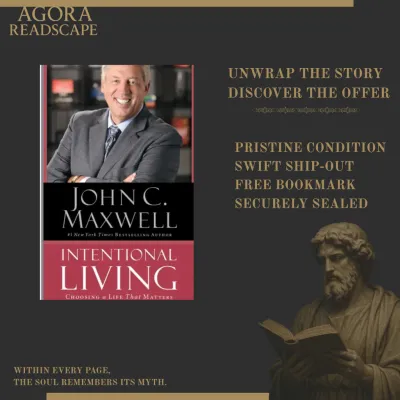
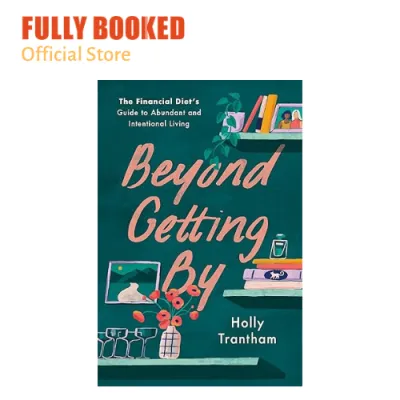

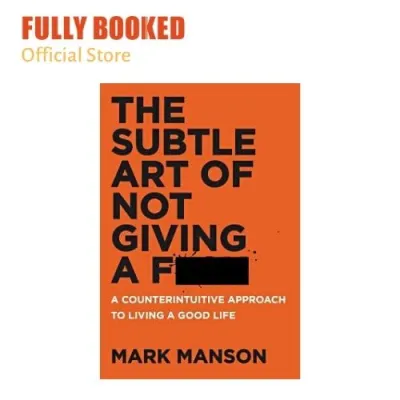
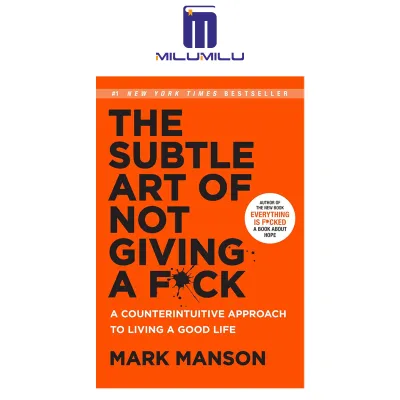
Prices are valid at publication and may change. Please refer to the product page for the latest price.
Cultural nuances play a massive role in how effectively you can apply self-help advice. Concepts like harmony (pakikisama) and gratitude (utang na loob) are deeply ingrained in daily interactions. A book advocating for absolute, uncompromising refusal of external requests might not be practical or socially sustainable. Instead, look for frameworks that teach you how to honor relationships while preserving your mental energy. Additionally, local economic realities, such as long commutes and varying income stability, mean your approach to time management must remain highly flexible.
To narrow down your reading list, determine the specific area of your life requiring immediate attention. You might need mindfulness to cope with urban stress, financial intentionality to manage your budget, career boundaries to prevent burnout, or simple time management to reclaim hours spent in transit. Pinpointing your primary challenge prevents you from feeling overwhelmed and helps you select a book with a highly targeted solution.
Criteria for Choosing the Right Self-Help Book
With thousands of personal development titles available, selecting the right book requires a systematic evaluation process. To ensure a book is worth your time and financial investment, you can use a practical checklist that measures its relevance to your daily life.

First, assess the author’s background and the context from which they write. Many popular self-help authors base their advice on high-income, highly structured environments where public infrastructure and financial systems operate very differently from those in Southeast Asia. Advice assuming easy access to specialized mental health services, specific investment platforms, or niche products may not be directly applicable. Look for authors who acknowledge diverse socioeconomic backgrounds or whose frameworks are universal enough to be adapted to a developing-economy context.
Second, prioritize books that offer actionable frameworks, exercises, and self-reflection prompts over those relying purely on abstract philosophy. A good intentional living book should function almost like a workbook, guiding you through step-by-step processes like auditing your time usage, mapping out core values, or practicing specific mindfulness techniques. If a book consists entirely of repetitive anecdotes about the author’s personal success without offering concrete tools, it may not provide the practical value you need.
Third, examine reader feedback with a critical eye, focusing on reviews that discuss real-world applicability and readability. Look for reviews written by readers from similar cultural or economic backgrounds. Pay attention to whether they found the advice easy to implement in busy, multi-generational households or demanding work environments. If reviews consistently mention that the book’s concepts are overly idealistic or require an abundance of free time and disposable income, it may not suit a fast-paced lifestyle.
Finally, actively avoid books relying heavily on region-specific resources, services, or financial baselines unavailable in the local market. For example, a book centered on automating your life using specific smart-home technologies, subscription services, or financial accounts that do not operate locally will leave you frustrated. The core principles of intentionality should be achievable using basic, universally accessible tools like a simple paper journal, free digital applications, and local community resources.
Navigating Formats, Editions, and Local Availability
Once you have identified a book that aligns with your goals, the next step is determining the best format and sourcing it through legitimate, authorized channels. The way you consume a book can greatly impact how well you absorb and apply its teachings.
Compare physical copies, e-books, and audiobooks based on your daily habits, lifestyle, and device compatibility. If you spend several hours commuting on public transport or driving through heavy traffic, an audiobook can turn transit time into an opportunity for personal growth. Ensure your smartphone is compatible with the relevant application and has reliable offline access. E-books are highly convenient for reading on the go without carrying extra weight, while a traditional paperback remains the most practical choice if you prefer to write directly in the margins or complete physical worksheets.
Before making a purchase, verify the publisher, language, edition, and content completeness. It is common for popular self-help titles to have multiple editions, international versions, or even abridged formats. Do not rely solely on the cover art or the main title displayed on an online storefront. Check the product details for the ISBN, page count, and publication date to prevent accidentally purchasing a summary, a study guide, or an unauthorized reproduction that lacks the complete text and exercises of the original work.
To support the literary industry and ensure you receive a high-quality product, purchase your books from authorized stockists, major local bookstores, or legitimate online marketplaces. Be cautious of exceptionally low-priced physical books sold on general ecommerce platforms, as these are frequently unauthorized, low-quality reprints with missing pages, poor binding, and numerous printing errors. Legitimate local retailers offer genuine copies that respect intellectual property rights and ensure the author is compensated.
Additionally, review the return policies and digital rights management (DRM) restrictions associated with your purchase, especially for digital formats. Some e-book platforms restrict the devices on which you can read your purchase, while others may not allow you to export your highlighted notes easily. Understanding these technical limitations beforehand ensures a smooth reading experience and protects your investment.
Applying Intentional Living Principles to Daily Life
Reading a book on intentional living is only the first step; the true value lies in translating those concepts into sustainable daily habits. It is easy to feel inspired while reading, only to return to old patterns once you close the cover. To prevent this, you must approach implementation with patience and flexibility.
Start by making small, reversible adjustments to your daily routine and physical space. You do not need to declutter your entire home or wake up three hours earlier on day one. Instead, choose one minor action inspired by your reading, such as dedicating five minutes in the morning to quiet reflection, organizing a single drawer, or turning off social media notifications during meals. Because these changes are small, they carry low risk and are easy to maintain or modify if they do not work for you.
Align your new habits with your existing responsibilities, household setup, and available resources. If you live in a busy, multi-generational household, finding a completely silent space for extended meditation might be unrealistic. Instead, adapt the practice by finding quiet moments during your commute, or by practicing mindfulness while performing routine household chores like washing dishes. Fitting the principles into your actual life rather than an idealized version increases the likelihood of long-term success.
Track your personal progress and adjust your strategies based on what realistically works for your lifestyle. Keep a simple journal or use a basic digital note-taking app to record how you feel after implementing new habits. If you find that a particular time-management system makes you feel more anxious rather than organized, take that as valuable feedback. Personal growth is an iterative process, and your routine should evolve as you discover what brings you genuine peace and productivity.
Finally, recognize when to pause or discard advice that conflicts with your core values or causes undue stress. Not every piece of advice in a self-help book is suitable for every reader. If an author insists on a lifestyle choice that compromises your financial security, strains your family relationships, or harms your mental well-being, it is entirely acceptable to reject that specific recommendation. The ultimate goal of intentional living is to create a life that feels authentic and manageable to you.
Frequently Asked Questions (FAQ)
How do I know if a translated or localized edition is accurate?
To verify the quality and completeness of a translated or localized self-help book, start by checking the reputation of the publisher. Established international and local publishing houses maintain strict quality control standards and employ professional translators. Look for explicit translator credits on the title page or copyright page. You can also compare the table of contents and the total page count of the localized edition with the original English version to ensure no chapters, appendices, or worksheets have been omitted. Finally, read a few sample pages or online reviews to assess whether the localized terminology flows naturally and preserves the author’s original tone without feeling awkward or overly literal.
Can I find intentional living books written by local Filipino authors?
Yes, there is a growing selection of personal development and mindfulness books written by local authors who inherently understand the cultural, economic, and social landscape of the Philippines. To find these titles, search the local literature or self-help sections of major domestic bookstores and independent local publishers. Look for books that have received recognition from local literary bodies or are recommended by local educational institutions. Locally authored books are highly valuable because they address specific cultural dynamics—such as navigating family expectations, managing local personal finances, and coping with urban challenges—without requiring you to translate Western concepts to fit your daily reality.
Community discussion
Share your experience or ask a question. Comments are reviewed before publication.