
Upgrading your first drum kit is an exciting milestone that marks your transition from a casual beginner to a dedicated musician. For most drummers, the initial set of cymbals that came bundled with their starter kit—often made of brass or low-grade sheet bronze—quickly reveals its sonic limitations. As your stick control improves and your ear develops, those bright, harsh, and clanging tones can become a bottleneck to your musical growth. This is where B20 bronze cymbals enter the picture. Known as the industry standard for professional drum setups, B20 bronze offers a level of warmth, complexity, and dynamic responsiveness that completely transforms the playing experience. However, making the leap to B20 requires a clear understanding of what you are buying, how to evaluate physical specifications, and how to protect your investment, especially when dealing with the unique environmental challenges of a tropical climate.
Deciding to upgrade your cymbals is not just about chasing a professional aesthetic; it is about unlocking a wider range of musical expression. Brass cymbals tend to have a very narrow dynamic range, sounding either too quiet or piercingly loud with very little middle ground. B20 bronze, on the other hand, responds to the subtlest changes in your hand pressure, stick angle, and striking force. Whether you are practicing quiet ghost notes in your bedroom or crashing dynamically during a live band rehearsal, a high-quality B20 cymbal adapts to your touch. By understanding the physical properties of this alloy and learning how to navigate the market, you can make an informed purchase that will elevate your sound for years to come.
Understanding the B20 Bronze Upgrade
To appreciate why B20 bronze is highly regarded by drummers worldwide, it helps to understand its composition. The “B20” label refers to the alloy’s formula: 80% copper and 20% tin, often with trace amounts of silver. This specific ratio creates a highly crystalline metal structure that is incredibly rich in overtones. In contrast, entry-level brass cymbals (made of copper and zinc) or B8 bronze cymbals (92% copper and 8% tin) are typically stamped out of cold-rolled sheets of metal. While B8 bronze is durable and has a bright, focused projection, it often lacks the dark warmth and complex wash that B20 bronze naturally produces.
Products mentioned in this guide
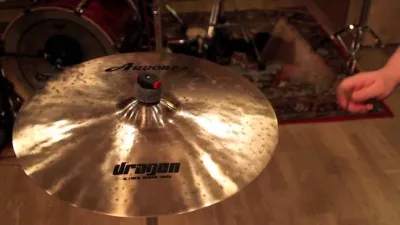
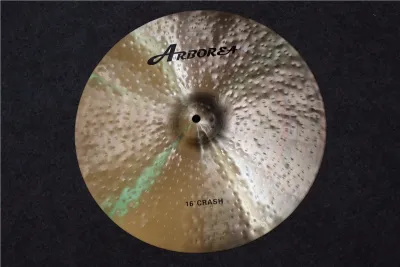
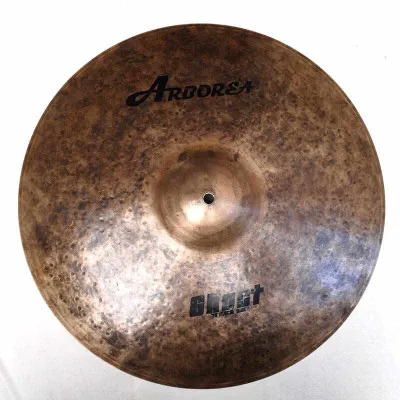
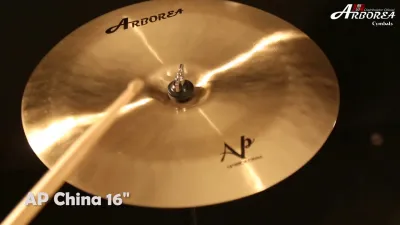
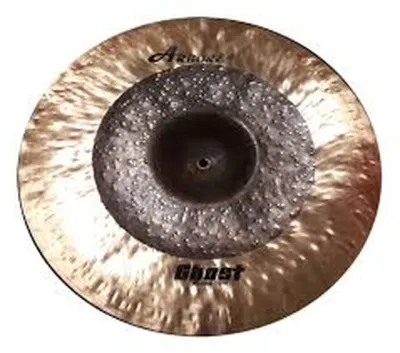
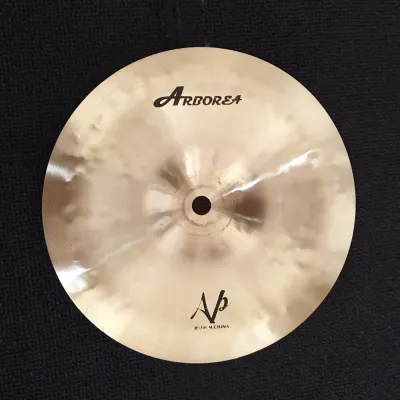
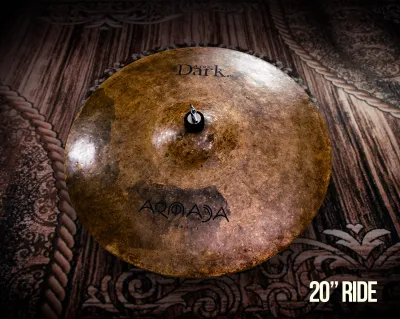
Prices are valid at publication and may change. Please refer to the product page for the latest price.
The manufacturing process of B20 bronze is significantly more labor-intensive than that of lower-grade alloys. Because B20 is naturally brittle in its raw state, the metal must undergo multiple rounds of heating, rolling, quenching, and tempering to make it malleable enough for shaping. This thermal treatment, combined with subsequent hammering and lathing, gives B20 cymbals their characteristic acoustic warmth and wide dynamic range. When you strike a B20 cymbal, you do not just hear a single, piercing high frequency; instead, you hear a complex blend of low, mid, and high overtones that evolve and blend together as the sound decays.
This tonal complexity directly influences how the cymbals respond to different playing dynamics and stick techniques. A light tap with the tip of your drumstick on a B20 ride cymbal yields a delicate, woody stick definition accompanied by a warm, controlled undertone. A heavier strike on the edge of the same cymbal can open up a dark, roaring wash that fills the room without sounding harsh or abrasive. This responsiveness makes B20 cymbals highly versatile, allowing you to use a single cymbal for multiple musical genres, from jazz and acoustic pop to heavy rock.
Upgrading to B20 bronze makes the most sense when you begin playing with other musicians, recording your practice sessions, or performing live. In a band setting, brass cymbals often sound thin, harsh, and metallic, cutting through the mix in an unpleasant way that can overpower vocals and guitars. B20 cymbals blend much more naturally with other instruments, sitting smoothly in the mix rather than fighting against it. If you are still in the absolute earliest stages of learning basic coordination and stick control, your entry-level brass cymbals are perfectly adequate for daily practice. However, once you begin focusing on tone production, dynamics, and musical expression, upgrading to B20 bronze becomes a highly rewarding investment.
How to Evaluate B20 Cymbal Specifications
When shopping for B20 cymbals, you will encounter a wide variety of physical specifications. Understanding how these physical traits affect the sound will help you narrow down your options without relying on subjective marketing descriptions. The first and most critical specification to evaluate is the weight and thickness profile of the cymbal, which is typically categorized as thin, medium-thin, medium, or heavy.

Thin cymbals flex more easily under the impact of a drumstick, meaning they require very little force to reach their full wash and volume. They produce a lower pitch, open up quickly, and have a shorter decay, making them highly responsive and expressive at lower playing volumes. Heavy cymbals, by contrast, are thick and rigid. They require a much stronger strike to activate, produce a higher pitch, and offer a long, ringing sustain with high volume projection. For a beginner upgrading their first kit, medium-thin or medium-weight cymbals are generally the most versatile choice, as they offer a balanced combination of stick definition, crashability, and volume control.
Size is another essential consideration when building your upgraded setup. Standard configurations typically feature 14-inch hi-hats, a 16-inch or 18-inch crash, and a 20-inch or 22-inch ride. If you are looking for maximum versatility, consider opting for an 18-inch crash rather than a 16-inch model. Larger crashes have a deeper, fuller sound and can often double as a light ride cymbal in quiet acoustic settings. Similarly, a 20-inch ride cymbal is a highly versatile standard that fits comfortably on most drum kits while providing a clear bell sound and a controllable wash.
Cymbal finishes also play a significant role in both aesthetics and maintenance. Traditional finishes are lathed but left unpolished, resulting in a natural, matte bronze appearance. Tonally, traditional finishes tend to sound warmer, woodier, and more controlled. Brilliant finishes are highly buffed and polished to a mirror-like shine, which slightly tames the low-end frequencies and highlights the bright, glassy high-end overtones. Raw or dark finishes are left unlathed, retaining the dark, oxidized crust from the oven, which produces a very dry, short, and earthy sound.
In tropical climates like the Philippines, high relative humidity and salty coastal air can accelerate the oxidation of copper-rich alloys. Brilliant finishes show fingerprints, sweat marks, and moisture spots very easily, which can quickly turn into green verdigris if left uncleaned. Traditional and raw finishes are slightly more forgiving visually in humid environments, though all B20 cymbals require regular care to prevent corrosion.
Finally, pay attention to the lathing and hammering patterns on the surface of the cymbal. Lathing refers to the circular grooves cut into the metal as it spins on a lathe, which helps control the spread of sound waves across the cymbal’s body. Hammering creates tension points within the bronze, shaping its tonal character. Hand-hammered cymbals feature irregular, randomly spaced hammer marks, which scatter the sound waves and produce a darker, more complex, and unique tone. Machine-hammered cymbals feature highly uniform, symmetrical patterns, resulting in a brighter, more focused, and highly consistent sound profile across identical models.
Decoding B20 Cymbal Series and Price Tiers
Navigating the pricing of B20 cymbals can be confusing, as prices can range from budget-friendly intermediate sets to incredibly expensive, hand-crafted boutique models. To find a reasonably priced B20 option that fits your budget, it is important to understand how manufacturers structure their product lines. Most major brands separate their cymbals into distinct series based on the manufacturing methods used rather than the quality of the raw alloy itself.
Professional-tier B20 lines often involve extensive hand-hammering, complex lathing, and individual tonal matching by master cymbal smiths. These labor-intensive processes drive up the cost significantly. However, many manufacturers also offer intermediate or budget-friendly B20 lines. These series are often produced using automated computer-controlled hammering and simplified lathing patterns. By reducing the manual labor involved, manufacturers can offer the rich, warm acoustic properties of genuine B20 bronze at a much more accessible price point, often sold in convenient “box sets” that offer excellent value for upgrading drummers.
When looking for your first B20 upgrade, focus on versatile, medium-weight models that are marketed for multi-genre use. Avoid highly specialized series, such as ultra-dry jazz cymbals or extra-heavy metal cymbals. While these specialized models sound fantastic in their respective genres, they lack the versatility needed for a developing drummer who may be playing rock, pop, funk, and worship music all in the same week. A standard, medium-weight B20 series will give you a balanced sound that fits seamlessly into almost any musical context.
Budget-friendly B20 options from lesser-known or regional manufacturers (such as boutique Turkish brands) can offer incredible value, often featuring hand-hammering at a fraction of the price of major brands. However, the trade-off with these budget-friendly options is often consistency and quality control. Two identical models from a budget hand-hammered line can sound remarkably different from one another, and they may occasionally feature minor cosmetic imperfections or slight weight variations. If you decide to purchase from a budget-friendly B20 line, it is highly recommended to listen to the exact cymbal you are buying, or purchase from a retailer with a reliable return policy.
To ensure you are getting genuine B20 bronze, always verify the series specifications using the official manufacturer’s catalog rather than relying solely on third-party online descriptions. Some intermediate cymbal lines are made of B10 or B12 bronze (10% or 12% tin), which, while still a step up from brass, do not offer the same warmth and complexity as B20. Checking the manufacturer’s official website will confirm the exact alloy composition, weight, and intended musical application of the series you are considering.
Building a Versatile Starter B20 Configuration
If you are working with a limited budget, you do not need to upgrade your entire cymbal setup all at once. In fact, building your setup incrementally is an excellent way to appreciate the unique characteristics of each new piece. A standard three-piece or four-piece configuration—consisting of a pair of hi-hats, a ride cymbal, and one or two crash cymbals—is the ideal goal for a highly versatile drum kit.
When prioritizing your purchases on a strict budget, always start by upgrading your hi-hats and your ride cymbal first. These are the primary timekeeping elements of your drum kit, and they are played during 80% to 90% of any given song. Upgrading your hi-hats from brass to B20 immediately improves your stick definition, foot chick, and half-open slosh, giving your grooves a much more professional feel. A high-quality B20 ride cymbal provides a clear, musical bell sound and a warm, controllable wash that won’t wash out your bandmates. You can temporarily keep your entry-level brass crash cymbals on your kit until you have saved enough to upgrade them later.
As you acquire new cymbals, aim to match their weights and tonal profiles to ensure a cohesive sound across your entire setup. If you pair an ultra-thin, dark, hand-hammered crash with a heavy, bright, machine-hammered ride, the volume and tonal contrast between the two can be jarring. Keeping your cymbals within a similar weight class (such as medium-thin crashes paired with a medium ride) ensures that they speak at similar volume levels and complement each other’s frequencies when played together.
Additionally, consider the physical space of your drum kit and your typical playing volume when choosing cymbal sizes. If you primarily practice in a small bedroom or a shared residential space in the Philippines, where homes are built close together, smaller or thinner B20 cymbals are highly practical. Thinner cymbals speak quickly at lower volumes and decay rapidly, preventing excessive noise bleed through walls. If you frequently perform in larger, open-air venues or high-volume band rehearsals, slightly larger and medium-weight cymbals will provide the necessary projection and durability to cut through the ambient noise.
Pre-Purchase Checklist for Online and Local Music Stores
Before finalizing your purchase, whether you are shopping at a local music store in Manila or ordering from an online retailer, it is crucial to verify the authenticity, condition, and compatibility of the cymbals. Use this practical checklist to ensure you are making a safe and smart investment:
- Verify Authenticity and Markings: Genuine B20 cymbals almost always feature a stamped or laser-etched manufacturer logo, model name, and serial number. Look closely at the cymbal bell or the underside of the bow for these markings. Hand-hammered B20 cymbals will also display slight, natural surface irregularities and unique hammer marks that distinguish them from cheap, stamped sheet metal.
- Inspect for Structural Flaws (Especially When Buying Used): If you are purchasing used or open-box B20 cymbals to save money, inspect them thoroughly. Run your fingers slowly along the entire outer edge of the cymbal to feel for tiny nicks, dents, or "flea bites." Even a microscopic nick on the edge can quickly develop into a catastrophic crack under regular playing.
- Check the Center Hole: Inspect the center mounting hole for any signs of "keyholing"—a wear pattern where the circular hole becomes oval or keyhole-shaped due to metal-on-metal contact with an unprotected cymbal stand. Keyholing significantly reduces the resale value of a cymbal and can lead to spiderweb cracks radiating from the center hole.
- Verify Return Policies and Shipping Insurance: When buying cymbals online, ensure the retailer offers a clear return policy and shipping insurance. Cymbals are fragile musical instruments that can easily be bent, cracked, or warped if they are poorly packed or mishandled during transit.
- Confirm Hardware Compatibility: Ensure your existing cymbal stands are equipped with plastic or rubber sleeves and thick felt washers. Mounting a B20 cymbal directly onto bare metal threads will cause rapid keyholing and edge damage, which will void any manufacturer warranties. Additionally, make sure your cymbal bag has padded dividers to prevent the cymbals from rubbing against each other during transport.
Frequently Asked Questions (FAQ)
Do B20 cymbals require special cleaning products?
Yes, B20 cymbals require careful maintenance to preserve their finish and acoustic properties. You should avoid using harsh household chemicals, abrasive kitchen cleaners, or generic metal polishes, as these can strip away the protective lacquer coating, damage the delicate lathing grooves, and permanently alter the cymbal’s tone. Always check your specific cymbal manufacturer’s care guidelines, as some brands recommend proprietary cleaners formulated specifically for their alloy and finish type. For daily maintenance, especially in humid tropical climates, simply wipe down your cymbals with a clean, dry microfiber cloth after every playing session to remove sweat, finger oils, and moisture.
Can I mix B20 cymbals with my existing entry-level cymbals?
Yes, you can absolutely mix B20 cymbals with your existing brass or B8 bronze cymbals on the same drum kit. However, you should expect a noticeable tonal contrast when playing them together. Your new B20 cymbals will sound significantly warmer, darker, and more complex, while your older brass cymbals will sound much brighter, sharper, and more metallic. A common and highly effective strategy is to use your new B20 cymbals for your primary timekeeping (such as your hi-hats and ride) while keeping your older brass cymbals for quick, high-volume accents or stacking them together to create unique, trashy effects. Over time, as your budget allows, you can gradually replace the remaining brass pieces to achieve a fully cohesive, professional sound profile.
Community discussion
Share your experience or ask a question. Comments are reviewed before publication.