
Navigating the world of legal commitments, business agreements, and financial responsibilities in the Philippines requires a solid foundation in the law on obligations and contracts. Whether you are a first-year law student preparing for rigorous recitations or a young professional trying to understand a lease agreement or employment contract, finding the right obligation and contract book is the first step toward legal literacy. The ideal book for your needs depends entirely on your immediate goals, as academic legal textbooks serve a vastly different purpose than practical, layman-friendly guides. By understanding how these resources are structured, you can make an informed purchase that saves you time, money, and confusion.
Define Your Reading Goal: Law School vs. Everyday Legal Literacy
Before stepping into a bookstore or browsing online marketplaces, you must clarify why you need to study this subject. The law on obligations and contracts, governed by the Civil Code of the Philippines, is the bedrock of all business transactions. However, the depth of knowledge required to pass a law school class is vastly different from the practical understanding needed to run a small business or sign a freelance contract.
For law students, the goal is comprehensive mastery. You must understand not only the literal text of the law but also the underlying legal philosophies, historical origins, and the evolving interpretations established by the Supreme Court. This requires dense, academic commentaries that dissect every single article, clause, and phrase. These books are designed for deep, slow study and are structured to help you survive the Socratic method of classroom instruction.
Products mentioned in this guide
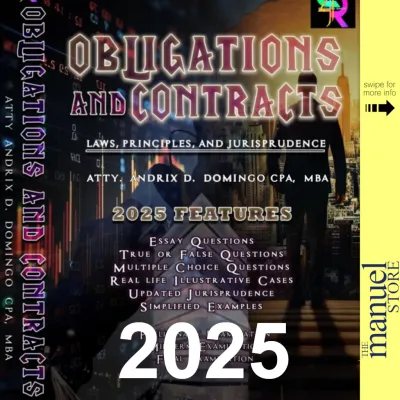
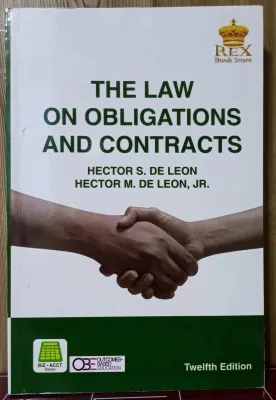
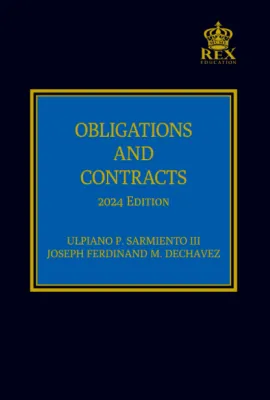
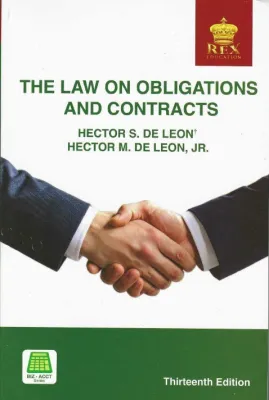
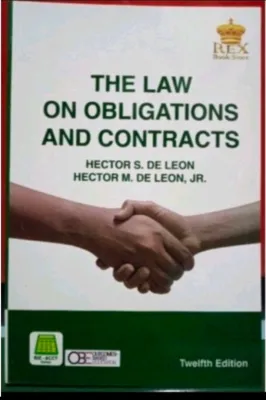
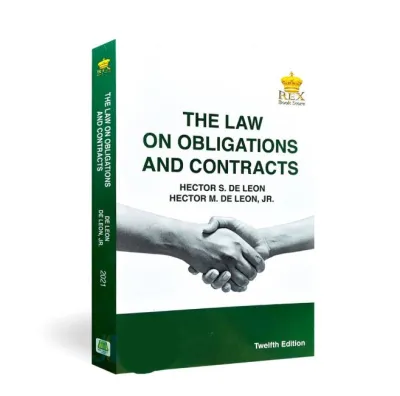
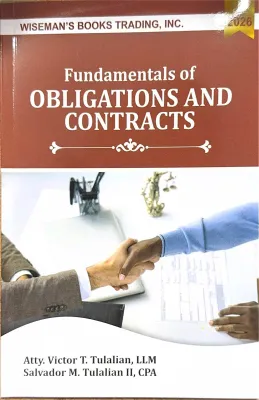
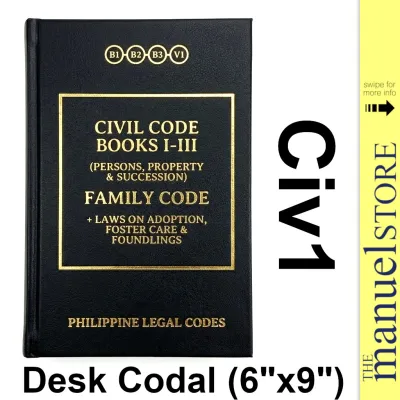
Prices are valid at publication and may change. Please refer to the product page for the latest price.
Conversely, young professionals, entrepreneurs, and undergraduate business students need functional legal literacy. If you are managing a startup, working in corporate sales, or renting your first apartment, you do not need to memorize Latin legal maxims. Instead, you need to know what constitutes a valid contract, how to identify unfair terms, and what remedies are available if a client fails to pay. For this group, a highly academic textbook will likely feel overwhelming and impractical, whereas a simplified guide focusing on business law or everyday legal rights will provide immediate, actionable value.
Key Criteria for Evaluating an Obligation and Contract Book
When evaluating any obligation and contract book, several critical factors should guide your decision to ensure the text is accurate, readable, and highly relevant to your specific situation.

First and foremost, verify the jurisdiction and legal currency of the text. The book must be strictly based on Philippine law, specifically the Civil Code of the Philippines. Because laws are subject to interpretation and amendment, you must ensure the book incorporates recent jurisprudence. Supreme Court decisions constantly refine how specific articles are applied in real-world disputes. A book that has not been updated to reflect these landmark rulings might lead you to rely on outdated legal doctrines.
Second, assess the language and accessibility of the writing style. Legal English can be notoriously dense, filled with archaic terms and complex sentence structures. If you are a non-lawyer, look for books that translate this “legalese” into plain English or conversational Filipino. A good introductory book should explain concepts like fortuitous events or delay on the part of the debtor using relatable, modern examples rather than abstract legal jargon.
Finally, examine the structural features of the book. For students, features like case digests, review questions, and diagnostic quizzes are invaluable for exam preparation. For young professionals, look for practical additions such as sample contract templates, step-by-step drafting checklists, and clear flowcharts that map out legal processes, such as how a contract is perfected or dissolved.
Choosing Academic Textbooks for Law Students
If you are entering law school, your approach to selecting an obligation and contract book must be highly strategic and aligned with your academic environment.
Your primary consideration should always be your professor’s syllabus and personal preferences. In Philippine law schools, professors often prescribe specific textbooks or commentaries that align with their teaching style. Some professors prefer traditional, article-by-article commentaries that offer exhaustive historical context, while others favor modern, case-centric books. Before purchasing any material, wait for the official syllabus or consult upperclassmen to find out which author’s approach dominates your professor’s lectures and examinations.
It is also important to understand the difference between comprehensive commentaries and concise reviewers. Commentaries are thick, detailed books that explain the philosophy behind the law, citing numerous historical precedents and foreign influences. These are excellent for initial study and deep comprehension. Reviewers, on the other hand, are streamlined, often structured in a question-and-answer format, and designed for rapid recall. They are best utilized during the weeks leading up to midterms, finals, or the bar exam, helping you consolidate your knowledge rather than learn the concepts from scratch.
Always prioritize the latest edition of any academic textbook. While the core articles of the Civil Code remain relatively stable, the jurisprudence surrounding them changes. A newer edition will include recent Supreme Court decisions that your professor is highly likely to ask about during recitations or exams. Relying on an older edition to save money might cause you to miss crucial legal developments that could impact your grades.
Finding Practical Legal Guides for Young Professionals
For young professionals, freelancers, and small business owners in the Philippines, the ideal obligation and contract book is one that bridges the gap between abstract law and daily business operations.
Instead of purchasing heavy civil law commentaries, look for books categorized under business law, legal English, or everyday law for Filipinos. These titles are specifically written to help non-lawyers navigate common transactions without needing a law degree. They focus heavily on practical applications, explaining how the law governs everyday situations such as employment agreements, residential leases, bank loans, and freelance service contracts.
When browsing these guides, prioritize those that offer actionable tools. A highly valuable practical guide will include blank templates or sample clauses for common agreements, such as non-disclosure agreements or simple deeds of sale. It should also provide checklists that teach you how to review a contract before signing, highlighting red flags like hidden fees, unilateral termination clauses, or excessive penalties for late payments.
Additionally, take a moment to verify the author’s background. Look for books written by practicing corporate lawyers, legal consultants, or business law professors who actively work with startups and small enterprises in the Philippines. Authors with this practical background are better equipped to provide real-world context, addressing the actual challenges and bureaucratic processes you will encounter when dealing with local government units, regulatory bodies, or contract disputes in the Philippine business landscape.
Pre-Purchase Verification and Study Strategies
Once you have identified the type of book that fits your goals, taking a few final verification steps will ensure you get the best value for your money and protect your investment.
Always verify the publication year and edition before finalizing your purchase. In the local publishing industry, older editions of law books are often sold alongside newer ones, sometimes at a discount. While a discount is tempting, an outdated legal text can be a liability if it contains obsolete rules or lacks critical updates. Check the copyright page of the book to confirm you are purchasing the most recent printing.
Furthermore, ensure you are buying from authorized sellers, official university bookstores, or reputable legal publishers. The Philippine market has a persistent issue with pirated or illegally photocopied books. While these unauthorized copies may be cheaper, they often suffer from poor print quality, missing pages, smudged text, and binding that quickly falls apart. Investing in an official, high-quality print ensures that your book can withstand heavy use and the high humidity of the tropical climate, which can easily degrade poorly bound, low-grade paper.
When budgeting for your purchase, expect official academic textbooks to range anywhere from ₱1,000 to ₱2,500 or more, depending on the thickness and publisher. If you are on a tight budget, consider looking for legitimate second-hand copies from graduating students, but inspect them carefully to ensure that previous highlights or handwritten notes do not obscure the text.
Finally, establish a systematic study strategy. Whether you are reading for school or self-improvement, do not try to memorize individual articles in isolation. Start by reading the general provisions to understand the broad concepts of what an obligation is and how contracts are formed. Once you have the big picture, gradually dive into the specific types of obligations and the various stages of a contract. This structured approach makes the dense material far easier to digest and retain.
Frequently Asked Questions (FAQ)
Do I need to read the actual Civil Code of the Philippines alongside a textbook?
For law students, reading the raw codal provisions of the Civil Code of the Philippines is absolutely essential. A textbook or commentary is designed to explain the law, but your exams and recitations will require you to know the exact phrasing of the articles themselves. You should always have a codal open next to your textbook. For young professionals or casual readers, however, reading the raw Civil Code is optional. A well-written practical guide will already quote the relevant articles and translate them into understandable terms, saving you the trouble of deciphering the formal legal text. If you ever need to cross-reference a specific article mentioned in a guide, you can easily access free, updated online legal databases maintained by the Philippine government or reputable local academic institutions.
Are digital versions or e-books as effective as physical copies for legal study?
The choice between digital and physical formats depends heavily on your study environment and personal habits. Digital versions and e-books offer unmatched portability, allowing you to carry an entire legal library on a single tablet or laptop. They also feature powerful search functions, making it incredibly easy to find specific keywords, articles, or cases instantly. However, legal study often requires hours of continuous reading, which can lead to significant screen fatigue. Physical books are generally preferred by many law students because they allow for tactile annotation, such as highlighting, color-coding, and writing notes in the margins. Additionally, physical books are highly durable and do not require a power source, making them reliable during power outages or when studying in areas with limited internet access. If you choose physical books, keep in mind that the high humidity in the Philippines can cause pages to yellow or develop mold over time, so store them in a dry, well-ventilated space.
Community discussion
Share your experience or ask a question. Comments are reviewed before publication.