
Adding a cowbell to your beginner drum kit is one of the most exciting and affordable ways to expand your rhythmic vocabulary. This simple percussion instrument does more than just inject a classic, metallic accent into your beats; it actively helps you develop limb independence and master complex polyrhythms. When you are starting out, the sheer variety of cowbells available can feel overwhelming. Finding the right entry-level cowbell for drums involves understanding how physical construction, mounting hardware, and tonal characteristics align with your current setup and musical goals. By focusing on observable build quality and hardware compatibility, you can select a durable instrument that integrates seamlessly into your practice space without overstretching your budget.
Core Criteria for Selecting an Entry-Level Cowbell
When shopping for your first cowbell, durability should be your primary consideration. A cowbell is designed to be struck repeatedly with wooden or nylon-tipped drumsticks, meaning it must withstand significant, high-impact force over long practice sessions. Look closely at the construction of the bell, paying attention to the seams. Welded seams should be smooth and continuous, as gaps or weak welds can split under heavy playing, ruining the instrument’s resonance. A solid, heavy-gauge steel construction is generally the standard for entry-level gear, offering a reliable balance of structural integrity and affordable pricing.
Tonal characteristics are equally important when choosing a cowbell for drums. Different musical genres demand distinct sounds; for instance, a bright, high-pitched bell cuts through loud rock or pop mixes, while a deeper, drier tone is often preferred for Latin, funk, or jazz grooves. Since entry-level bells rarely feature complex tuning mechanisms, you must evaluate the natural pitch and sustain of the instrument out of the box. A bell that rings too long can muddy your drum fills, whereas a completely dead bell might lack the projection needed to be heard alongside your cymbals.
Products mentioned in this guide
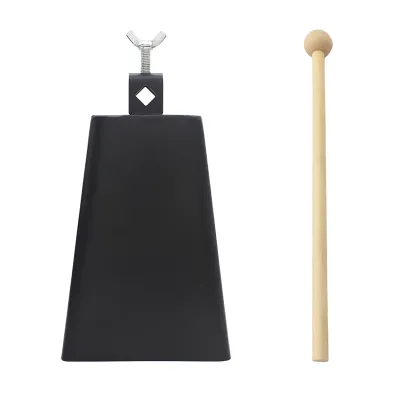
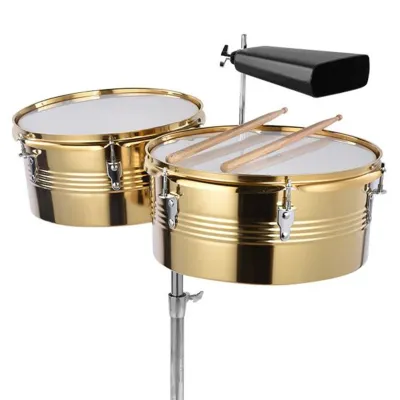
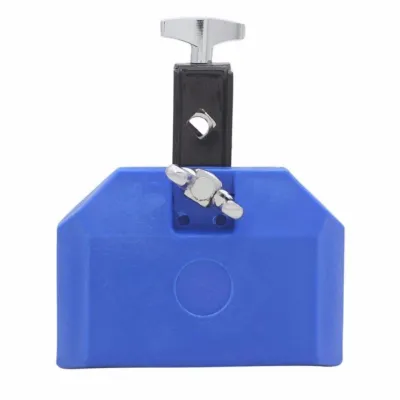
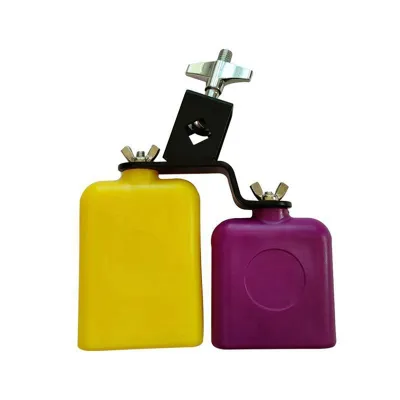
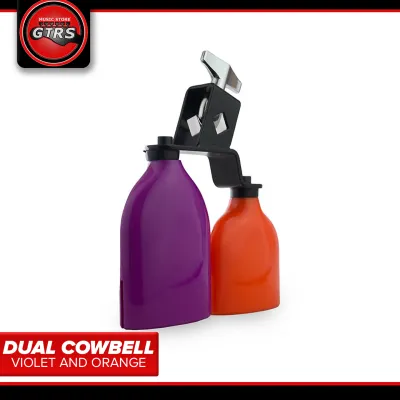
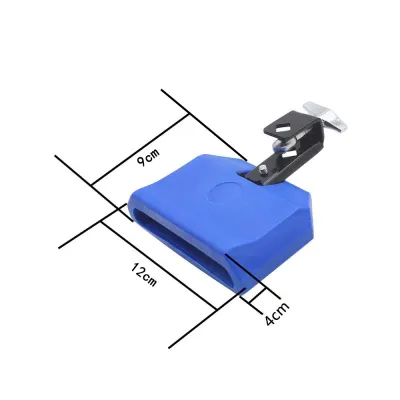
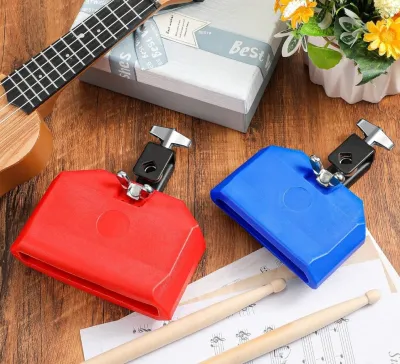
Prices are valid at publication and may change. Please refer to the product page for the latest price.
Budget is a practical factor for any beginner, but it should be weighed against long-term value. In the Philippines, entry-level cowbells are widely accessible, with prices typically ranging from ₱500 to ₱2,000 depending on the size and included mounting hardware. While it might be tempting to purchase the cheapest option available on online marketplaces, ultra-low-cost bells often suffer from thin metal that dents easily or poor-quality mounting brackets that strip after a few adjustments. Investing slightly more in a robust, well-finished bell ensures you will not have to replace it—or your mounting hardware—after just a few months of enthusiastic practice.
Mounted vs. Handheld: Choosing the Right Setup
Before purchasing a cowbell, you must decide how you plan to position and play it within your drum kit. Mounted cowbells are specifically designed to attach directly to your existing drum hardware, keeping your hands free to hold your drumsticks and maintain your standard playing posture. To integrate a mounted cowbell, you will need compatible hardware, such as a multi-clamp attached to a cymbal stand, an L-rod mount, or a specialized bass drum hoop clamp. This setup allows you to position the bell within easy reach, typically near your hi-hat or ride cymbal, facilitating smooth transitions during fast drum fills.

Handheld cowbells, by contrast, are designed to be held in one hand and struck with a stick held in the other. While this style is excellent for dedicated percussionists or singers who want to add rhythmic accompaniment, it is highly impractical for a seated drummer playing a full kit. Attempting to hold a cowbell while managing your bass drum pedal, hi-hat pedal, and snare drum severely limits your physical coordination and disrupts your ergonomics. For drum kit applications, a mounted cowbell is almost always the superior choice, as it keeps the instrument stable and consistently positioned.
Space constraints on a beginner drum kit also play a major role in your decision. If you practice in a compact room or use a portable shell pack, adding bulky hardware can clutter your setup and restrict your movement. A small, mounted cowbell with a compact multi-clamp takes up minimal physical space and can be tucked neatly into tight angles. When planning your layout, ensure the mounted bell does not obstruct your access to your rack toms or cymbals, and verify that the additional weight will not cause your cymbal stands to tip over during vigorous play.
How Size and Material Shape Tone and Durability
The physical dimensions and material composition of a cowbell are the primary drivers of its acoustic performance and lifespan. Most entry-level cowbells are manufactured from carbon steel or various steel alloys. Steel is highly favored for its bright, cutting tone and excellent dent resistance. However, in tropical climates like the Philippines, high humidity can accelerate rust and corrosion on untreated metal. When selecting a steel cowbell, look for models with a durable powder-coated, painted, or chrome-plated finish. These protective coatings shield the raw steel from moisture and sweat, preserving both the appearance and the structural integrity of the instrument over time.
Size is the most reliable indicator of a cowbell’s pitch. Smaller cowbells, typically measuring between 4 and 5 inches, produce a high-pitched, piercing sound with rapid decay. These compact bells are highly effective for driving, uptempo rhythms where you need the percussion to cut through dense guitar riffs or heavy basslines. Larger cowbells, ranging from 6 to 8 inches or more, deliver a deeper, warmer, and more resonant tone. These larger models are highly versatile for traditional Latin rhythms, funk grooves, and classic rock beats, though they do require more physical space on your mounting rack.
The design details of the bell’s mouth and body also influence its overall sound and playing feel. Many cowbells feature folded or reinforced edges around the opening, which not only strengthen the area most frequently struck by your drumsticks but also help control wild overtones. Some models incorporate internal ridges or pre-installed dampening materials, such as rubber strips, to shorten the sustain and deliver a focused, dry sound rather than a lingering ring. If your chosen bell rings too much, you can easily replicate this dampening effect by applying a small piece of duct tape or a reusable gel dampener to the outer surface.
Building Your Shortlist: Pre-Purchase Checks and Setup
To ensure a smooth integration into your drum kit, you should perform several practical checks before finalizing your purchase. First, verify the compatibility of the cowbell’s mounting bracket with your existing hardware. Most mounted cowbells feature an eye-bolt clamp designed to accept standard 3/8-inch (9.5mm) or 1/2-inch (12.7mm) L-rods. Measure the diameter of your mounting arms or the jaw capacity of your multi-clamps to guarantee a secure fit. A mismatch here can lead to a loose, spinning bell that shifts out of position mid-song, disrupting your rhythm and potentially damaging your other gear.
Next, inspect the physical condition of the cowbell in person if possible, or closely review high-resolution product photos. Check for any sharp, unfinished edges along the welded seams or the mouth of the bell, as these can easily cut your hands during setup or shred your drumsticks. Examine the quality of the mounting wingnut and eye-bolt assembly; the threads should be clean, deep, and easy to turn by hand without binding. A poorly machined wingnut will strip quickly under the high tension required to keep the bell stable, rendering the mounting bracket useless.
Finally, consider how the cowbell’s acoustic projection will behave in your specific practice environment. If you practice in a small, untreated spare room or a garage with concrete walls, a highly resonant, high-pitched cowbell can quickly become painfully loud and fatiguing to the ears. In these environments, look for a bell that naturally produces a drier, more controlled tone, or prepare to apply external dampening. Testing the bell’s volume relative to your snare and cymbals ensures that your new percussion accessory enhances your overall drum sound rather than overpowering it.
Frequently Asked Questions (FAQ)
Do I Need Special Drumsticks for a Cowbell?
You do not need to purchase specialized drumsticks to play a cowbell, as standard wooden drumsticks work perfectly well. However, striking metal repeatedly will wear down your sticks much faster than playing on wooden drum rims or synthetic drumheads. If you use wooden-tipped sticks, you may notice the tips chipping or splintering over time; switching to nylon-tipped drumsticks can offer increased durability and produce a slightly brighter, more articulate attack on the metal surface. For specific musical styles where you want a softer, warmer sound with less harsh impact noise, you can use a felt-tipped mallet or a dedicated percussion beater, though these are generally not necessary for standard drum kit practice.
How Do I Prevent a Mounted Cowbell From Slipping?
Slippage is a common frustration for drummers, especially when playing high-energy patterns that require heavy striking. To prevent your cowbell from rotating or sliding down its mounting rod, start by ensuring the eye-bolt clamp is aligned correctly and tightened securely using the wingnut. Avoid over-tightening with pliers, as this can strip the threads. If the metal-on-metal connection still slips, you can significantly increase friction by wrapping a small piece of grip tape, rubber electrical tape, or a thin strip of an old bicycle inner tube around the mounting rod before clamping the bell in place. This simple modification absorbs vibrations and keeps the instrument locked firmly in position.
Can I Mount a Handheld Cowbell on a Drum Kit?
While it is technically possible to mount a handheld cowbell on a drum kit, it is generally not recommended due to hardware limitations and acoustic drawbacks. Handheld cowbells typically lack the built-in mounting brackets, eye-bolts, or pre-drilled holes found on dedicated drum kit models. Attempting to secure a handheld bell using a generic multi-clamp often requires clamping directly onto the body or the mouth of the bell. This direct pressure dampens the metal’s natural vibrations, resulting in a choked, dead sound with virtually no resonance. For a stable setup and a clear, musical tone, it is always best to purchase a cowbell specifically designed with an integrated mounting bracket.
Community discussion
Share your experience or ask a question. Comments are reviewed before publication.