
To find the ideal Yamaha electric guitar for rock and blues, you must balance pickup versatility, neck playability, and body resonance. Yamaha’s lineup, primarily represented by the Pacifica and Revstar series, offers distinct pathways for these genres. Whether you seek the biting single-coil clarity of classic Chicago blues or the thick, sustaining humbucker roar of hard rock, understanding how these instruments are built allows you to make an informed decision.
Defining the Tonal Needs of Rock and Blues
Rock and blues, while historically intertwined, place distinct demands on an electric guitar’s construction and electronics. Rock music often requires an instrument that can handle high-gain amplification without collapsing into uncontrollable feedback. It demands a tight low-end response for heavy rhythm playing and a singing midrange that allows solo lines to cut through a dense mix of drums and bass. Sustain is also a primary consideration, as long, held notes are a staple of rock lead playing.
Blues, on the other hand, relies heavily on dynamic sensitivity and touch. A blues guitarist needs an instrument that responds immediately to the nuances of their pick attack. The tone should transition smoothly from a warm, clean sound when played softly to a gritty, overdriven crunch when digging into the strings. This genre prioritizes vocal-like articulation, where the subtle inflections of a player’s fingers are clearly translated through the amplifier.
Products mentioned in this guide
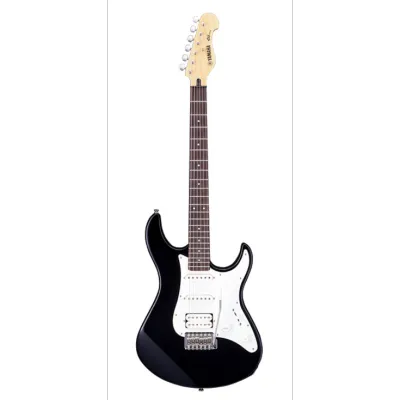
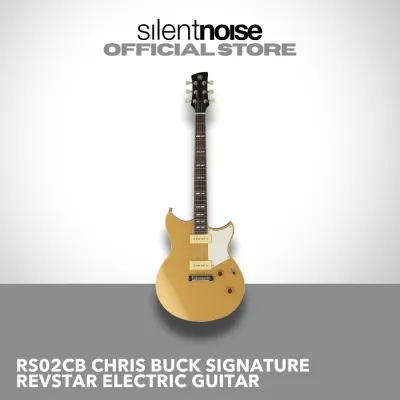


Prices are valid at publication and may change. Please refer to the product page for the latest price.
The physical construction of the guitar heavily influences these tonal characteristics. Solid-body guitars, which make up the vast majority of Yamaha’s electric lineup, offer maximum sustain and feedback resistance. This makes them highly reliable under high-gain conditions. The choice of body wood also plays a role; heavier woods like mahogany tend to emphasize the lower-mid frequencies, providing a warmer foundation suitable for classic rock and thick blues, while lighter woods like alder or basswood offer a more balanced, neutral frequency response that highlights upper-midrange clarity.
Navigating Yamaha's Electric Guitar Series
Yamaha’s electric guitar catalog is anchored by two major design philosophies: the Pacifica and the Revstar. Each series approaches body design, neck construction, and overall aesthetics differently, catering to different subsets of rock and blues players. Understanding these structural differences is the first step in narrowing down your choices.
The Pacifica series is famous for its double-cutaway, bolt-on neck design. This layout is highly ergonomic, featuring deep cutaways that allow your hand to easily reach the highest frets on the fingerboard. The bolt-on neck construction—where the neck is secured to the body using metal screws—imparts a snappy, immediate attack to the notes. This bright, responsive character is highly valued by blues players who want their lead lines to pop, as well as classic rock players who appreciate crisp note definition in complex chords.
In contrast, the Revstar series features a set-neck design with a distinct double-cutaway body inspired by vintage cafe racer motorcycles. In a set-neck construction, the neck is glued into the body joint, creating a seamless connection. This design typically enhances sustain and provides a warmer, more integrated tonal transition between the neck and the body. The Revstar’s body shape is slightly wider and more substantial than the Pacifica, offering a classic, retro aesthetic that appeals to traditional rock and blues purists.
Weight and ergonomics are critical factors to consider, especially when performing in the warm, humid climate of the Philippines. A heavy guitar can quickly become fatiguing during a long set in a crowded local venue. To address this, several models in the Revstar lineup feature chambered bodies. This design utilizes internal routing to remove excess wood, reducing the overall weight of the instrument while tuning its acoustic resonance. The result is a highly balanced guitar that sits comfortably on a strap for hours without straining your shoulder.
Matching Pickup Configurations to Your Style
Pickups are the primary engine of your guitar’s amplified tone, and choosing the right configuration is essential for capturing authentic rock and blues sounds. Yamaha guitars utilize three main pickup types: single-coils, humbuckers, and P90-style single-coils. Each type has a distinct voice and handles gain differently.
For players who require maximum versatility, the HSS (Humbucker-Single-Single) configuration is an exceptional choice. Commonly found on Pacifica models, this layout places a humbucker at the bridge and single-coils in the middle and neck positions. The bridge humbucker provides the thick, high-output tone needed for heavy rock rhythms and soaring solos. Meanwhile, the neck and middle single-coils deliver the glassy, scooped-mid tones perfect for clean blues comping and expressive, low-gain lead work.
If your musical preferences lean heavily toward hard rock, classic rock, or modern high-gain blues, a dual-humbucker (HH) configuration is often the most suitable option. Humbuckers use two coils wound in opposite directions to cancel the 60-cycle hum inherent in single-coil designs. This allows you to use high levels of distortion or overdrive without introducing excessive background noise. Tonally, humbuckers offer a wider, warmer sound with a pronounced midrange that pushes amplifiers into natural saturation more easily.
For traditional blues players who crave raw, gritty articulation, P90-style single-coil pickups—often referred to as soapbars—are highly recommended. Available on specific Revstar models, P90s occupy the tonal space between a standard single-coil and a humbucker. They feature a wider coil design that produces a fatter, warmer tone than a traditional single-coil, yet they retain the sharp transient attack and dynamic sensitivity of a single-coil. This makes them incredibly expressive for blues, though they do remain susceptible to hum under high-gain settings.
When evaluating Yamaha guitars, pay close attention to the onboard electronics and switching options. Many models feature coil-splitting, which allows you to temporarily deactivate one coil of a humbucker to mimic a single-coil sound. Additionally, some premium Yamaha models include proprietary passive tone circuits, such as the Dry Switch or Focus Switch. These passive controls allow you to reshape your EQ on the fly—such as rolling off low frequencies for a brighter, cleaner tone or boosting the midrange for a thicker lead sound—without requiring active batteries.
Assessing Playability and Hardware for Bending
Expressive string bending, wide vibrato, and solid rhythm playing are foundational techniques in both rock and blues. To execute these techniques comfortably, you must evaluate the guitar’s neck profile, fretboard dimensions, and hardware configuration.
Yamaha guitars are generally known for their comfortable, modern neck profiles. Most models feature a slim C-shape neck that fits naturally in the palm of your hand. This profile is thin enough to facilitate fast, modern rock runs, yet substantial enough to provide leverage when wrapping your thumb over the top of the neck for classic blues chord shapes. The finish on the back of the neck also affects playability; a satin or matte finish often feels smoother and faster than a high-gloss finish, which can become sticky when your hands sweat in humid conditions.
The fretboard radius—the curvature of the fingerboard across its width—is another critical specification. A flatter radius, such as Yamaha’s standard 13.75-inch (350 mm) radius, is highly advantageous for rock and blues players. On a flatter fretboard, you can bend strings significantly higher without the note choking out or dying prematurely against the higher frets. This is a common issue on vintage-style guitars with rounder radii, making Yamaha’s flatter design a preferred choice for expressive lead guitarists.
The choice of bridge hardware also impacts your playing experience and maintenance routine. A vintage-style tremolo bridge, common on many Pacifica models, allows you to add subtle vibrato or dramatic pitch dips to your chords and notes. However, tremolo systems require careful setup and can sometimes compromise tuning stability during heavy string bending. If you prefer maximum tuning stability and simpler string changes, a fixed bridge—such as a hardtail or a tune-o-matic bridge with a stopbar tailpiece—is highly reliable. Fixed bridges also tend to offer slightly better vibrational transfer from the strings to the body, enhancing natural sustain.
Purchasing and Verification Checklist
When you are ready to purchase a Yamaha electric guitar in the Philippines, taking local environmental factors and retail practices into account will ensure you get a high-quality, authentic instrument. Use the following checklist to guide your purchase at an authorized local music store or verified online distributor.
First, perform a thorough physical inspection of the instrument. The high relative humidity in the Philippines can cause the wood of the guitar neck to expand or contract if it is not stored in a climate-controlled environment. Run your fingers along the edges of the fretboard to check for sharp fret ends. The frets should feel smooth and flush with the wood. Squeeze the strings down at various frets to check for fret buzz, and sight down the neck from the headstock to ensure it has a very slight forward bow (neck relief) rather than a backbow or twist.
Second, test all the hardware and electronics. Plug the guitar into an amplifier and turn all the knobs. Listen closely for any crackling or popping sounds, which can indicate dirty potentiometers or loose wiring. Toggle the pickup selector switch through all positions to ensure it functions cleanly. Turn the tuning pegs to verify they rotate smoothly without slipping or grinding.
Third, evaluate the price-to-feature ratio in Philippine Pesos (₱). Yamaha offers guitars across a wide range of price points, from entry-level models to professional-grade instruments. Ensure the model you are considering justifies its price. For example, mid-tier and premium models should feature upgraded hardware, such as brand-name pickups, locking tuners, or high-quality nut materials, which significantly improve tuning stability and tone.
Finally, verify the authenticity of the instrument and secure your warranty. Always purchase from an authorized Yamaha dealer or a highly reputable local music retailer. Check that the guitar comes with an official warranty card and that the serial number on the back of the headstock matches the paperwork. Verifying the serial number with the local distributor ensures you are buying a genuine Yamaha product and guarantees access to official repair services and replacement parts should you ever need them.
Frequently Asked Questions (FAQ)
Can a Yamaha guitar with single-coil pickups handle hard rock?
Yes, a Yamaha guitar with single-coil pickups can handle hard rock, but it requires some adjustments to manage the inherent limitations of the pickup design. Single-coil pickups are susceptible to 60-cycle hum, which becomes significantly louder when you use high-gain distortion or overdrive pedals. To mitigate this noise, you can use a noise gate pedal in your signal chain to silence the hum when you are not playing. Additionally, rolling back the tone knob on your guitar or adjusting the equalizer on your amplifier to reduce harsh treble frequencies can help create a thicker, warmer tone that is more suitable for hard rock.
Do I need a tremolo bridge for playing blues?
No, a tremolo bridge is not necessary for playing blues. In fact, many legendary blues guitarists prefer fixed-bridge guitars because they offer superior tuning stability and sustain. Traditional blues vibrato and pitch bending are executed entirely with the fingers of your fretting hand, which allows for highly precise and expressive control over the pitch. While a tremolo bridge can add a nice subtle shimmer to chords, a fixed bridge simplifies string changes, makes alternate tunings easier to manage, and ensures your guitar stays in tune even during aggressive, multi-semitone string bends.
How do I verify if a Yamaha guitar is an authorized local release?
To verify if a Yamaha guitar is an authorized local release in the Philippines, start by purchasing only from authorized dealers listed on the official Yamaha distributor website. When inspecting the guitar, look for the official warranty card provided by the local distributor, which should contain the model name, serial number, and dealer stamp. You can also inspect the serial number on the back of the headstock; genuine Yamaha serial numbers follow specific formatting rules that can be cross-referenced with Yamaha’s official database. Avoid purchasing from unverified online sellers who cannot provide official local warranty documentation.
Community discussion
Share your experience or ask a question. Comments are reviewed before publication.