
Daily scripture reading is a cornerstone of Catholic spiritual life, offering a quiet space for reflection, prayer, and personal growth. For many readers in the Philippines, standard text-only editions can sometimes feel visually dense, making it challenging to maintain a consistent daily habit amidst busy schedules and tropical heat. A creative bible addresses this by integrating artistic layouts, wide margins, or visual aids that transform reading from a passive task into an active, meditative experience. By choosing an edition that matches your personal prayer style, you can deepen your engagement with the Word of God and build a sustainable devotional routine.
Understanding Creative Bibles for Catholic Devotion
A creative bible is designed to engage both the mind and the senses, using visual elements to foster a deeper meditative state during daily prayer. Unlike standard editions that prioritize compact text delivery, these Bibles incorporate spacious margins, elegant typography, illustrations, or structured study aids. For Catholic readers, this visual approach aligns beautifully with ancient contemplative practices such as lectio divina (divine reading), where visual beauty serves as a gateway to spiritual reflection. The goal is not to distract from the sacred text, but to provide a visual resting place that encourages slower, more thoughtful reading.
However, selecting a creative edition for Catholic devotion requires careful attention to canonical completeness. Many creative Bibles widely available on global ecommerce platforms are designed for Protestant readers and omit several books of the Old Testament. A true Catholic creative bible must contain all 73 books of the Catholic canon, ensuring that your daily readings align closely with the liturgical calendar and parish teachings. Furthermore, the translation should be approved by ecclesiastical authorities, guaranteeing that the creative elements surround a text that is doctrinally sound and faithful to Catholic tradition.
Products mentioned in this guide
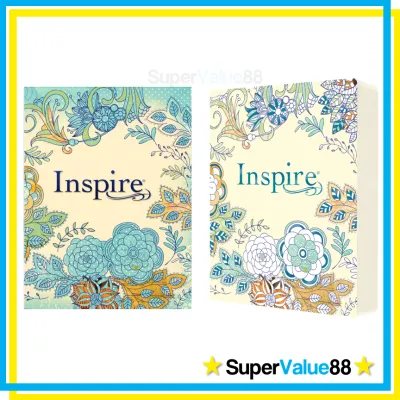
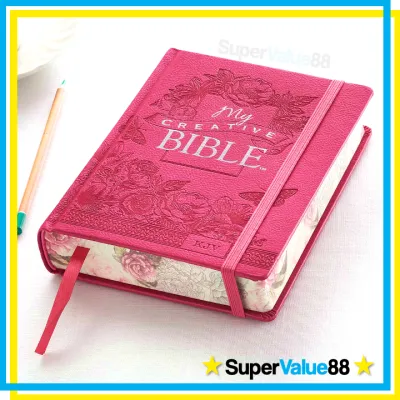
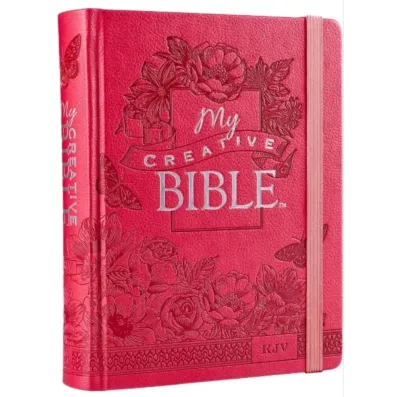
Prices are valid at publication and may change. Please refer to the product page for the latest price.
Essential Physical and Textual Features to Check
When selecting a creative bible, the physical construction of the book is just as important as its visual design, especially under the unique environmental conditions of the Philippines. High humidity and warm temperatures can cause thin paper to warp, wrinkle, or absorb moisture from the air, which can ruin your personal notes and sketches. Therefore, you must carefully evaluate the paper quality, weight, and opacity before making a purchase. Look for editions that feature high-opacity paper, often referred to as bible paper with a higher gsm (grams per square meter) rating, which helps prevent ink from bleeding through to the other side of the page when you use highlighters, gel pens, or fine-line markers.

The binding of the Bible is another critical factor that dictates its durability and usability. Daily devotional reading often involves holding the book open for extended periods or resting it flat on a desk, altar, or lap. A sewn binding, particularly a Smyth-sewn binding, is highly recommended because it allows the Bible to lay completely flat without the pages pulling away from the spine. Avoid cheap glued bindings, which tend to crack over time, especially when exposed to tropical humidity, causing pages to fall out after a few months of active use. A lay-flat design also ensures that you can write or draw comfortably near the inner margins without struggling to keep the book open.
Finally, pay close attention to the typography and layout design. While creative Bibles are known for their artistic elements, the primary text must remain highly readable. Evaluate the font size, line spacing, and the contrast between the ink and the paper. A font size of at least 8 or 9 points is generally preferred for comfortable daily reading, while generous line spacing prevents eye strain during evening reflections. The margins should be wide enough to accommodate your personal notes or artistic expressions without crowding the sacred text, ensuring a harmonious balance between the printed Word and your personal reflections.
Matching Creative Bible Styles to Your Devotional Habits
Not all creative Bibles are designed for the same style of prayer, so it is essential to choose a format that complements your specific devotional habits. Whether you prefer writing down your thoughts, meditating on classical art, or studying historical context, there is a creative style tailored to your spiritual journey.
Journaling and Wide-Margin Bibles
Journaling and wide-margin Bibles are specifically designed for readers who process their thoughts through writing, sketching, or lettering. These editions feature extra-wide margins on the outer edges of the pages, which may be blank, ruled with faint lines, or dotted to guide your handwriting. This format is ideal if you practice lectio divina and want to record the specific words, phrases, or prayers that resonate with you during your daily reflection. When choosing a journaling Bible, always verify the paper weight, as heavier paper is necessary to support the ink of various pens and markers without causing unsightly ghosting or bleed-through on the reverse side.
Illustrated and Art Bibles
Illustrated and art Bibles cater to visual learners and those who find spiritual inspiration in sacred art. These editions may feature classical religious paintings, illuminated manuscript borders, or modern line art interspersed throughout the biblical text. The presence of visual art serves as a form of visio divina (divine seeing), allowing you to meditate on a visual representation of a scripture passage alongside your reading. When evaluating an art Bible, ensure that the illustrations are respectful, liturgically appropriate, and designed to enhance your contemplation rather than serve as a colorful distraction from the sacred text itself.
Study Bibles with Creative Layouts
For readers who want to combine creative visuals with intellectual depth, study Bibles with creative layouts offer an excellent solution. These editions utilize modern graphic design, full-color timelines, detailed maps, and clear infographics to present historical, cultural, and theological context directly alongside the scripture. This style is highly beneficial for those who want to understand the background of the biblical narratives without wading through dense, academic commentary. However, it is crucial to verify that the accompanying study notes, explanations, and visual charts align strictly with Catholic doctrine and the teachings of the Church.
Verifying the Catholic Canon and Translation
Before finalizing your purchase of a creative bible, you must perform a strict check of its contents to ensure it meets Catholic standards. The most critical step is confirming the presence of all 73 books of the Catholic canon. Many general-market creative Bibles only include 66 books, omitting the Deuterocanonical books—such as Tobit, Judith, Wisdom, Sirach, Baruch, and First and Second Maccabees—as well as specific portions of Esther and Daniel. Reading a complete Catholic edition ensures that you do not miss these essential scriptures, which are regularly read during the Holy Mass and form an integral part of Catholic theology.
Next, verify the specific translation used in the creative edition. Catholic readers should look for translations that are approved for liturgical or personal study use, such as the Revised Standard Version Catholic Edition (RSV-CE), the New American Bible Revised Edition (NABRE), or the Jerusalem Bible. To guarantee that the translation and any accompanying notes are free from doctrinal error, check the copyright or introductory pages for the Imprimatur (permission to publish) and the Nihil Obstat (declaration that the book contains nothing contrary to faith or morals) granted by a Catholic bishop.
Additionally, consider your language preferences and how they impact your devotional experience. In the Philippines, you can find creative Bibles in English, Tagalog, or bilingual formats. Choose a language that allows you to pray naturally and understand the nuances of the text without constant translation in your head. If you participate in parish activities or local community prayer groups, selecting a translation that matches the one used in your local parish can make it much easier to share reflections and follow along during group studies.
Creating Your Personalized Selection Checklist
To find the right creative bible in local religious shops or online marketplaces, it is helpful to establish a clear set of selection criteria. Start by defining your non-negotiable requirements, which should always include a complete 73-book Catholic canon, an approved translation with an Imprimatur, and a durable, lay-flat binding that can withstand daily handling. These core features ensure that your Bible is both doctrinally sound and physically capable of lasting for years of daily devotion.
Once your non-negotiables are met, you can establish conditional preferences based on your personal budget and specific use case. For instance, decide whether you prefer a premium leather cover that ages beautifully or a durable hardcover that can easily be tossed into a bag for travel. Consider whether you want full-color illustrations, which may increase the price, or simple black-and-white line art that you can color in yourself. Setting a budget range, such as ₱1,500 to ₱4,000, can help you narrow down your options without overspending.
Finally, when browsing online marketplaces, read the product descriptions and customer reviews with extreme care. Pay close attention to the physical dimensions and weight of the Bible; some highly illustrated or wide-margin editions can be exceptionally bulky and heavy, making them more suitable for a home altar than for carrying to a parish meeting or office. Verify the exact page count and paper specifications to ensure you are getting a high-quality edition that matches your expectations, helping you avoid the disappointment of a poorly constructed book.
Frequently Asked Questions (FAQ)
Can I use a Protestant creative Bible for Catholic devotion?
While Protestant creative Bibles often feature beautiful designs, they are generally not recommended for daily Catholic devotion because they lack the seven Deuterocanonical books. These books are an essential part of the Catholic Old Testament and are frequently referenced in the liturgical readings of the Church. Using a Protestant edition means your daily reading plan will be incomplete, and you will miss out on key spiritual teachings. Additionally, Protestant translations and study notes may interpret certain passages differently, lacking the theological guidance provided by the Catholic Church’s teaching authority.
Are digital or e-book versions considered creative Bibles?
Digital Bibles and mobile apps can offer creative features, such as adjustable fonts, digital highlighting, and interactive maps, but they provide a very different experience from physical creative Bibles. A physical journaling or art Bible offers a tactile, screen-free space that minimizes digital distractions, helping you focus entirely on prayer and reflection. However, digital versions are highly portable and convenient for reading during a daily commute or travel. Ultimately, many readers find that a combination works best: using a physical creative Bible for deep morning devotions at home, and a digital app for quick reference throughout the day.
Community discussion
Share your experience or ask a question. Comments are reviewed before publication.