
Finding a meaningful way to document your spiritual journey is a deeply personal endeavor. In the Catholic tradition, writing down prayers, reflections, and moments of grace is not a modern trend but a practice rooted in centuries of spiritual direction. Whether you are looking to deepen your daily quiet time, structure your reflections during Eucharistic adoration, or align your thoughts with the liturgical seasons, choosing the right prayer journal can significantly support your spiritual growth.
The ideal journal is not a one-size-fits-all product. It depends heavily on your unique devotional habits, how you prefer to structure your prayer, and the practical environments where you write. This guide is designed to help you navigate the various formats, physical specifications, and content considerations to find a journal that fits your spiritual life. Rather than presenting a rigid, ranked list of specific commercial titles, we will explore how to evaluate different journal structures, assess physical durability for tropical climates, and safely source authentic Catholic materials in the Philippines.
Identifying the Right Prayer Journal Format for Your Devotional Life
Selecting a prayer journal begins with understanding how you communicate with God. Guided journals offer daily prompts, scripture verses, or specific templates like the Ignatian Examen, which guides you through relishing God’s presence, reviewing the day, identifying shortcomings, asking for forgiveness, and looking forward to tomorrow. This structured approach is excellent for beginners or those experiencing spiritual dryness who need a gentle nudge to start writing.
Products mentioned in this guide
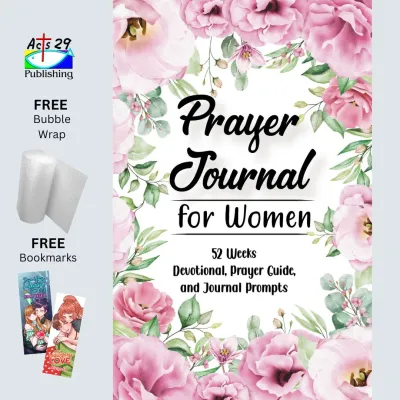
![[With pink dots on book cover but pages clean and complete.] Prayer Journal for Women: 52 Weeks Devotionals Prayer Guide and Journal Prompts (brand new softcover) (Undated - good for use any day of the year)](https://img.lazcdn.com/g/p/9f7aeb5b194f9fa6d74523dcf013b443.jpg_400x400q80.jpg_.webp)

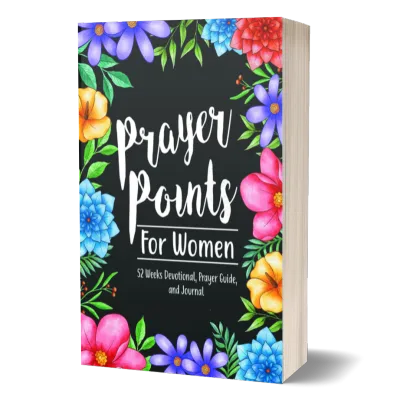
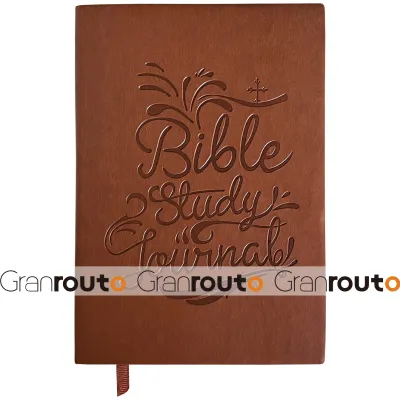
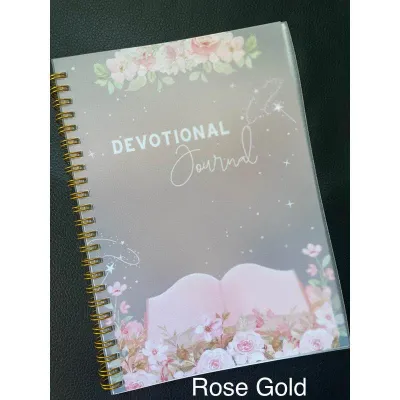
Prices are valid at publication and may change. Please refer to the product page for the latest price.
On the other hand, blank, lined, or dotted journals offer complete freedom. They are ideal for those who practice freeform journaling, sketch their reflections, or prefer to write extensive letters to God without the constraint of pre-printed boxes. If your prayer style changes from day to day, a blank notebook allows you to transition seamlessly between written prayers, scripture copying, and creative illustrations.
Liturgical alignment is another crucial factor to consider. Some specialized Catholic journals are structured around the liturgical calendar, featuring daily Mass readings, tracking the liturgical seasons, or highlighting saints’ feast days. Writing in alignment with the Church’s universal calendar helps you pray in union with the global Mystical Body of Christ. When evaluating these, it is helpful to verify if the readings follow the standard Roman Calendar, as feast days can sometimes vary slightly by region.
Finally, some journals are tailored for specific spiritual exercises. For instance, a Marian consecration journal provides structured space for the preparation period, helping you track your daily readings and reflections. Others focus on Eucharistic adoration, offering prompts centered on the Real Presence, or include dedicated sections for tracking Rosary mysteries and intentions. Understanding your primary prayer method will guide you toward the format that naturally complements your routine.
Evaluating Physical and Content Features Before You Buy
In the tropical climate of the Philippines, humidity is a major factor that affects paper and binding. High humidity can cause thin, low-quality paper to absorb moisture from the air, leading to ink feathering, severe bleed-through, or wavy pages. If you prefer using fountain pens, gel pens, or highlighters, look for journals with a paper weight of at least 100 GSM (grams per square meter) or higher to ensure your writing remains legible on both sides of the page.

Furthermore, the binding must be robust enough to withstand daily use. A lay-flat binding, such as Smyth-sewn or thread-bound, is essential for a comfortable writing experience. This allows you to write near the margins without having to fight the spine of the book during prayer. Spiral-bound journals also lay flat easily, though the metal or plastic coils can sometimes interfere with your hand placement depending on whether you are left- or right-handed.
Consider where you will do most of your writing to determine the ideal size. If your primary journaling space is a quiet desk at home during your morning offering, a larger, heavier desk-sized journal offers ample space for expansive reflections. However, if you frequently visit the parish adoration chapel, attend prayer meetings, or journal during your daily commute, a pocket-sized or slim A6 journal is far more practical, fitting easily into a small bag without adding unnecessary bulk.
When purchasing imported or translated Catholic journals that contain theological commentary, prayers, or scripture translations, it is wise to look for ecclesiastical approvals. The Imprimatur and Nihil Obstat are official declarations by a Catholic bishop that the content is free from doctrinal or moral error. While a simple blank notebook does not require these, any journal that includes guided theological reflections, catechism quotes, or structured doctrinal guides should be verified to ensure it aligns with authentic Catholic teaching.
Where to Find and Verify Catholic Journals in the Philippines
The most reliable way to inspect a journal’s physical quality is to visit local Catholic bookstores, diocesan pastoral centers, or parish gift shops. Establishments run by religious congregations often carry a wide selection of devotional materials, diaries, and structured journals. Visiting these physical locations allows you to feel the paper texture, test the binding flexibility, and verify the content layout firsthand before making a purchase.
If you prefer the convenience of online shopping or live far from a physical Catholic bookstore, digital marketplaces and e-commerce platforms offer a vast array of options. However, caution is necessary to avoid counterfeit prints or low-quality scans. Always verify the seller’s ratings, read customer reviews carefully, and look for official publisher storefronts or authorized distributors. Pay close attention to the product description to confirm whether you are buying a physical book or a digital download.
Many popular Catholic journals are published by international apostolates and ministries. Ordering directly from these overseas publishers can be rewarding, but you must account for international shipping fees, potential customs duties, and longer delivery times. Sometimes, local Catholic distributors or online specialty book importers bring these popular international editions to the local market in limited quantities, which can save you significant shipping costs and transit time.
Creating Your Personalized Journal Shortlist
Before purchasing, map out your daily schedule to match your personal prayer routine with the journal’s structure. If you only have ten minutes in the morning, a highly structured journal with multiple long-form prompts might feel overwhelming and lead to frustration. Instead, a simple gratitude-focused journal might be more sustainable. Conversely, if you dedicate a solid thirty minutes to mental prayer daily, a blank or lightly guided journal will give you the room you need to write down your deep interior movements.
Set a realistic budget in ₱ and weigh the cost against durability, page count, and long-term archival value. Prayer journals in the local market can range from budget-friendly local prints costing around ₱150 to ₱300, up to premium imported leatherette journals that can exceed ₱1,500. Remember that a higher price tag often reflects durable archival-quality paper, sturdy covers, and specialized liturgical content that will preserve your reflections for years to come.
If you are transitioning from a blank notebook to a structured Catholic journal, or vice versa, consider starting with a short-term trial. Instead of buying a massive, expensive 365-day guided journal, look for a 30-day or 90-day booklet. This allows you to test the layout, see if the prompts resonate with your prayer style, and build a consistent journaling habit without a major financial or time commitment. If the format works well, you can confidently invest in a full-year edition.
Frequently Asked Questions (FAQ)
Can I use a regular notebook instead of a specifically branded prayer journal?
Yes, a simple, unbranded notebook is an excellent and highly cost-effective tool for spiritual growth. It offers complete flexibility, allowing you to write as much or as little as you want without feeling constrained by pre-printed dates or prompts. You can easily customize it by pasting holy cards, writing down your favorite scripture verses, or drawing your own Examen templates. However, if you struggle with knowing what to write, or if you are going through a period of spiritual dryness, a structured, branded prayer journal can provide the theological guidance and daily structure needed to keep your prayer life active.
How do I keep my prayer journal private and secure?
Because a prayer journal often contains your deepest spiritual struggles, confessions, and personal graces, maintaining its privacy is essential for honest reflection. Physically, you can choose a journal with an elastic band closure, keep it in a locked drawer, or store it in a private personal space at home. If you carry your journal with you, consider using a cover that looks like an ordinary notebook to avoid drawing attention. From a content perspective, you do not have to write out every detail explicitly; you can use personal abbreviations, initials for names of people you are praying for, or symbolic language that only you and God understand.
Community discussion
Share your experience or ask a question. Comments are reviewed before publication.