
A pancake drumset—defined by its ultra-slim, flat-profile pads and highly compact frame—is an excellent entry point for aspiring drummers in the Philippines. It solves the classic challenges of limited living space and noise complaints in dense urban areas like Metro Manila. To find the best kit, you must focus on pad material, module features, and local warranty support rather than relying on flashy online listings.
Why Beginners Choose Pancake Drumsets
The defining characteristic of a pancake drumset is its physical profile. Unlike traditional electronic drum kits that feature deep, cylindrical pad shells, pancake kits utilize ultra-thin, flat pads for both the drums and cymbals. This design drastically reduces the overall bulk of the instrument, making it visually unobtrusive and physically lightweight.
For beginners living in apartments, condominiums, or shared family homes in the Philippines, space is often at a premium. A standard acoustic drum kit is virtually impossible to accommodate in these settings due to its massive footprint. A pancake drumset, however, can easily fit into a small corner of a bedroom or study, requiring only a fraction of the floor space.
Products mentioned in this guide
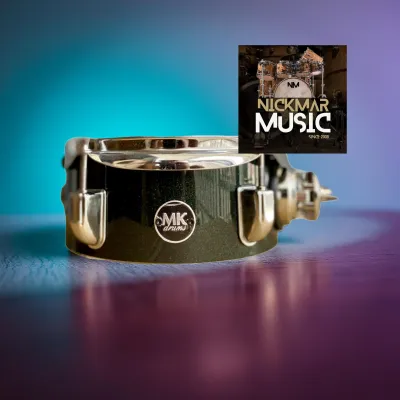
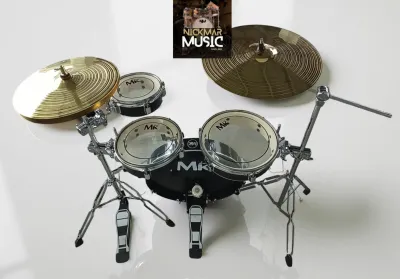
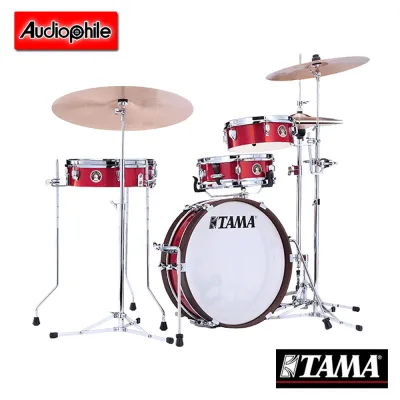
Prices are valid at publication and may change. Please refer to the product page for the latest price.
Noise control is another critical factor for home practice. Acoustic drums produce high decibel levels that can easily disturb family members and neighbors. Pancake electronic kits allow you to practice silently by routing the sound directly to a pair of headphones. The physical impact of striking the pads still produces a quiet, low-frequency thud, but this is significantly quieter than any acoustic alternative.
Additionally, the tropical climate of the Philippines presents unique challenges for musical instruments. High humidity can warp acoustic drum shells and damage delicate wood finishes over time. The synthetic materials and compact metal frames of pancake drumsets are generally more resilient to moisture, provided they are kept in a well-ventilated room and wiped down after intense practice sessions.
Core Pad and Sensor Features to Evaluate
When evaluating a pancake drumset, the quality of the drum pads is the most critical factor influencing your playing experience. The pads are your primary point of contact, and their physical response directly affects how you develop your drumming technique. Beginners must choose between two primary pad materials: mesh heads and rubber pads.

Mesh heads are highly recommended for beginners because they closely mimic the feel and rebound of a real acoustic drumhead. They consist of a woven fabric stretched over the pad frame, which can often be adjusted using a standard drum key to change the tension. This adjustability allows you to customize the rebound to your preference, helping to build finger and wrist strength without causing excessive fatigue.
Rubber pads, on the other hand, are typically more affordable and highly durable. However, they offer a much stiffer playing surface with a very distinct, springy rebound. While perfectly functional for learning basic rhythms, prolonged practice on stiff rubber pads can sometimes lead to wrist discomfort, especially for younger players or beginners who have not yet developed relaxed hand techniques.
Beyond the material, you must verify the velocity sensitivity of the pads. A high-quality sensor system registers the exact force of your strike, translating a gentle tap into a soft whisper and a powerful stroke into a loud crack. Without accurate velocity sensitivity, your playing will sound flat and mechanical, preventing you from learning how to play with expression and dynamics.
Dual-zone capabilities are another advanced feature to look for, particularly on the snare pad. A dual-zone pad features separate sensors for the center of the head and the outer rim. This allows you to play standard snare hits on the center and rimshots or rim clicks on the edge, which are essential techniques for many musical genres, including reggae, jazz, and rock.
Finally, always check the manufacturer’s technical specifications regarding sensor accuracy and crosstalk prevention. Crosstalk occurs when the vibration from striking one pad travels through the frame and accidentally triggers a neighboring pad. High-quality modules include adjustable crosstalk settings, allowing you to fine-tune the sensitivity of each pad to ensure clean, isolated sounds.
Assessing the Sound Module and Learning Tools
The sound module, often referred to as the “brain” of the electronic drumset, is responsible for converting your physical strikes into digital audio. For a beginner, the module is not just a sound generator; it is also your primary learning tool. A well-designed module should offer a balance of high-quality sounds and intuitive practice features.
A built-in metronome is an absolute necessity for any aspiring drummer. Developing a strong sense of timing is the foundation of good drumming, and practicing with a click track is the most effective way to achieve this. Look for a module that allows you to easily adjust the tempo, volume, and time signature of the metronome with dedicated physical buttons.
Play-along tracks are another highly beneficial feature for beginners. These built-in musical loops cover various genres, such as rock, pop, funk, and blues, allowing you to practice your beats in a realistic musical context. Playing along with these tracks is much more engaging than practicing to a simple click, helping to keep you motivated during long practice sessions.
Many modern drum modules also include dedicated coaching or training modes. These programs analyze your playing in real-time, checking whether your strikes are perfectly on the beat, slightly ahead, or slightly behind. Some modules even offer scoring systems or progressive difficulty levels, turning practice into an interactive game that accelerates your skill development.
When reviewing the sound library, do not be misled by exceptionally high numbers of preset kits. Instead, focus on the quality and variety of the core sounds. A beginner needs a few highly realistic acoustic drum kits, a clean jazz kit, and perhaps a couple of electronic percussion sets. Verify that the module allows you to customize individual drum sounds, such as adjusting the pitch or decay of a specific cymbal.
The user interface of the module should be straightforward and easy to navigate. When you are in the middle of a practice session, you do not want to get lost in complex, multi-layered digital menus just to change a volume level or switch a drum kit. Look for a module with a clear, backlit display and clearly labeled physical knobs or buttons for essential functions.
Connectivity, Accessories, and Expandability
A pancake drumset must be able to integrate seamlessly with your other devices and accessories. Connectivity options expand the functionality of your kit, allowing you to access modern learning tools, record your performances, and practice without disturbing those around you.
USB and MIDI outputs are essential for connecting your drum module to a computer, tablet, or smartphone. This connection allows you to use interactive drumming apps, which offer visual, game-like lessons that are highly effective for beginners. It also enables you to trigger high-quality virtual drum software on your computer, turning your compact kit into a powerful recording tool.
A dedicated headphone jack is a standard feature, but you must verify its connector type. Most modules use either a 3.5mm (1/8-inch) mini-jack or a 6.35mm (1/4-inch) stereo jack. Knowing this in advance ensures you can purchase the correct adapter if your preferred headphones use a different plug size, preventing any frustration when you first set up the kit.
When purchasing a beginner kit, pay close attention to the included accessories. Some packages are sold as “all-in-one” bundles, which include a kick pedal, a hi-hat controller pedal, a pair of drumsticks, and a drum throne. Other listings may only include the pads and the frame, requiring you to purchase the pedals and throne separately. Factor these additional items into your budget to avoid unexpected expenses.
Expandability is an important consideration if you plan to keep the drumset as your skills progress. Many entry-level modules have a fixed number of inputs, meaning you cannot add any more pads to the kit. Look for a module that features one or two extra trigger input jacks on the back, which will allow you to add an extra crash cymbal or a second snare pad in the future.
Space, Portability, and Setup Constraints
Before finalizing your purchase, you must carefully consider the physical footprint and setup requirements of the drumset. Even the most compact pancake kit requires a dedicated space where you can sit comfortably and move your arms and legs freely without hitting walls or furniture.
Measure the overall dimensions of the drum rack when fully assembled and compare them to your available room space. A typical compact pancake kit occupies a footprint of approximately 1.2 meters in width and 1 meter in depth. However, you must also account for the space required for your drum throne, which usually sits slightly behind the main rack.
Foldable or collapsible frames are a major advantage for players with limited space. Some pancake kits are designed with quick-release clamps that allow you to fold the entire rack flat against a wall or slide it under a bed without having to disassemble the pads or disconnect the cables. This level of portability is ideal if you need to clear the room for other activities when you are not practicing.
The total weight of the kit is also worth checking, especially if you plan to transport it to music lessons, band rehearsals, or different rooms in your house. Lightweight aluminum frames are easy to carry but can sometimes feel less stable during aggressive playing. Steel frames offer superior stability but are significantly heavier and less convenient to move frequently.
Finally, review the assembly instructions provided by the manufacturer. A well-designed kit should come with clear diagrams and all the necessary tools, such as a drum key and an Allen wrench. In the humid climate of the Philippines, it is also wise to ensure that all metal joints and screws are properly tightened during assembly to prevent any rattling or loosening caused by temperature fluctuations.
How to Verify Value and Avoid Common Pitfalls
Navigating the market for electronic drums in the Philippines requires a careful, methodical approach to ensure you get genuine value for your money. With numerous sellers operating on various e-commerce platforms, it is easy to fall victim to misleading listings, counterfeit products, or grey-market imports that lack local support.
Your first step should always be to cross-reference the seller’s product description with the official manufacturer’s specification sheet. Online listings often use generic stock images that depict additional cymbals, high-end pedals, or premium thrones that are not actually included in the package. Carefully read the “what’s in the box” section to verify exactly what you are paying for.
Warranty terms are a crucial safety net when purchasing electronic instruments. Because drum modules and trigger sensors are sensitive electronic components, they can occasionally malfunction. Verify if the seller offers an official manufacturer’s warranty and check if there are authorized service centers located within the Philippines to handle repairs, as shipping a heavy kit back overseas for service is highly impractical and expensive.
To ensure a safe transaction, prioritize buying from authorized musical instrument distributors or official brand stores on online marketplaces. These sellers are vetted by the platforms and are much more likely to provide genuine products, reliable customer service, and hassle-free return policies if the kit arrives damaged or incomplete.
Be highly skeptical of listings that feature unusually low prices or vague, generic product descriptions. If a price seems too good to be true, it may indicate a counterfeit product, a refurbished unit being sold as new, or a listing that only includes a single replacement pad rather than the entire drumset. Always read customer reviews carefully, paying close attention to photos uploaded by actual buyers to verify the product’s physical appearance and packaging.
Frequently Asked Questions (FAQ)
Do I need a special amplifier for a pancake drumset?
Yes, if you want to play out loud, you should use a dedicated electronic drum monitor rather than a standard guitar or bass amplifier. Guitar amplifiers are designed to handle the specific frequency range of a guitar and can easily be damaged by the powerful, low-frequency transient peaks produced by an electronic kick drum. A dedicated drum monitor is engineered to deliver a flat frequency response, ensuring that both the deep bass of the kick and the high-frequency crispness of the cymbals are reproduced accurately and safely. Before purchasing any external speaker, always check your drum module’s output impedance and connector types (usually dual mono 1/4-inch jacks) to ensure complete compatibility.
Can I upgrade the pads on a beginner pancake kit later?
Upgrading the pads on an entry-level pancake kit is possible, but it is subject to several technical limitations that you must verify beforehand. First, you must check the drum module’s input compatibility, as some beginner modules only support single-zone pads and will not recognize the dual-zone features of an upgraded snare or cymbal. Second, different manufacturers use varying trigger technologies and impedance ratings, meaning a pad from one brand may not function correctly when connected to a module from another brand. Always consult your user manual or contact the manufacturer to verify the supported pad types, connector specifications, and impedance requirements before investing in upgraded hardware.
Community discussion
Share your experience or ask a question. Comments are reviewed before publication.