
Chinkee Tan’s business books have become a staple on the shelves of many aspiring Filipino entrepreneurs, easily recognizable by their bright covers and highly practical, conversational tone. If you are standing at the crossroads of starting a small business or trying to bring order to an existing micro-enterprise, deciding where to invest your limited time and reading budget is a critical first step. The short answer is that these books are highly worth reading if you need to build a solid financial foundation, overcome the fear of starting, and learn the basic mechanics of cash flow management in a local context. However, if you are looking for advanced corporate strategies, complex tax structures, or highly technical industry blueprints, you will find these books too basic for your needs.
Understanding the value of these books requires looking at them through the lens of the Philippine business landscape, where micro, small, and medium enterprises (MSMEs) make up the vast majority of local businesses. For many local founders, the primary obstacles to success are not a lack of ambition, but rather a lack of basic financial literacy and the unique cultural pressures that come with running a business in close-knit communities. Chinkee Tan addresses these specific pain points directly, making his work a valuable entry point for a very specific demographic of readers. This comprehensive evaluation will help you determine if his business books align with your current entrepreneurial stage, what practical lessons you can expect to extract, and how to navigate their inherent limitations.
Is This Book the Right Fit for Your Entrepreneurial Stage?
To get the most value out of any business book, you must first assess whether your current operational stage matches the author’s target audience. Chinkee Tan’s writings are primarily crafted for aspiring entrepreneurs who are still in the planning or dreaming phase. For these individuals, the biggest hurdles are often psychological, such as the fear of losing capital, a lack of self-confidence, or confusion about how to take the very first step. The books serve as an encouraging guide, breaking down the intimidating world of business into manageable, bite-sized concepts that make entrepreneurship feel achievable even for those without a formal business degree.
Products mentioned in this guide
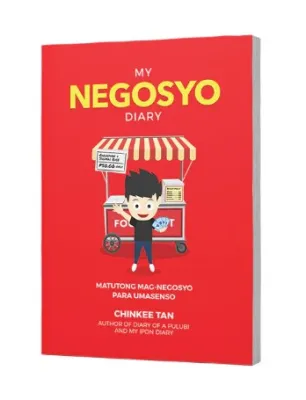


Prices are valid at publication and may change. Please refer to the product page for the latest price.
If you are already running a micro, small, or medium enterprise (MSME), such as a local retail store, a neighborhood eatery, or a home-based service business, you will also find highly relevant advice. The books focus heavily on the day-to-day realities of managing a small business in the Philippines, where cash flow can be highly unpredictable due to seasonal changes, local competition, and economic shifts. Rather than discussing abstract corporate finance, the text offers practical tips on how to handle daily cash registers, manage inventory without overextending your budget, and deal with common local challenges like customers asking for credit or family members expecting free products.
Another critical factor to consider is your preferred learning style and reading preference. If you struggle to get through dense, academic textbooks filled with complex economic theories and corporate jargon, you will find Chinkee Tan’s conversational style highly refreshing. The books are written in a mix of English and Tagalog, commonly referred to as Taglish, which mirrors the natural way Filipinos communicate in daily life. This accessible language makes the financial and operational concepts easy to understand, remember, and apply immediately to your business, making it an ideal choice for practical readers who value simplicity over academic complexity.
Core Business Themes and Practical Takeaways
One of the most critical themes explored in these business books is basic financial literacy, specifically the absolute necessity of separating personal and business finances. In many family-run businesses across the country, it is incredibly common for owners to use the business cash register as a personal wallet to pay for household expenses, school tuition, or daily groceries. This practice makes it nearly impossible to track whether the business is actually profitable or slowly losing money. The book provides clear, actionable strategies on how to set a fixed personal salary for yourself, open separate bank accounts, and maintain disciplined records to ensure your business remains financially viable.

Marketing and sales strategies are another core focus, but they are tailored specifically to local consumer behavior and community-based dynamics. Instead of focusing on expensive advertising campaigns or high-level corporate marketing frameworks, the book emphasizes low-cost, high-impact tactics that work in a local neighborhood or community setting. This includes building strong, trust-based relationships with your customers, understanding the purchasing power of your target market, and utilizing simple word-of-mouth marketing to grow your customer base. It teaches readers how to stand out in a crowded local market by focusing on consistent quality and exceptional customer service.
Finally, the books dedicate significant attention to entrepreneurial psychology and mental resilience. Running a business in a tropical country like the Philippines comes with unique challenges, from sudden weather disruptions and power outages to unexpected personal emergencies that can temporarily halt operations. The author emphasizes the importance of developing a resilient mindset that can withstand these inevitable setbacks. By teaching readers how to view business risks objectively, manage their fears, and treat failures as valuable learning experiences, the book helps build the emotional and mental stamina required to keep a business running through difficult times.
Limitations: What the Book Does Not Cover
While these books offer excellent foundational advice, it is equally important to understand what they do not cover so you can set realistic expectations. First and foremost, they do not provide guidance on advanced corporate structuring, complex tax optimization, or specialized legal compliance. As your business grows from a simple sole proprietorship to a partnership or a corporation, you will encounter strict regulatory requirements from government agencies like the Bureau of Internal Revenue (BIR) and the Securities and Exchange Commission (SEC). Navigating these complex legal and financial frameworks requires professional advice from licensed certified public accountants (CPAs) and corporate lawyers, which a general self-help book cannot replace.
Additionally, the books lack deep technical guides or industry-specific blueprints. If your business involves complex manufacturing processes, intricate supply chain logistics, international import-export regulations, or advanced software integrations, you will need to look for specialized technical manuals or industry-specific training. Chinkee Tan’s books are designed to teach you how to think like an entrepreneur and manage basic cash flow, but they cannot teach you the technical specifications of running a commercial kitchen, managing a large-scale agricultural farm, or developing a proprietary software application.
Lastly, printed books are static and cannot provide up-to-date, dynamic market data. The economic landscape is constantly shifting, influenced by changing inflation rates, local supply chain disruptions, and rapid updates to digital platform algorithms. While the core principles of business remain constant, the specific tactics you use to market your products online or price your goods during periods of high inflation must be adapted to real-time conditions. Readers should rely on these books for timeless foundational principles while actively consulting current market reports, local business news, and official platform updates to guide their daily tactical decisions.
Pre-Purchase Checklist: Deciding If This Book Is Right for You
Before you decide to purchase a copy, it is highly beneficial to run through a quick checklist to ensure the book aligns with your current needs and resources. Start by identifying your most pressing business bottleneck. If your primary struggle is a lack of discipline, difficulty saving money, or fear of taking the first step to launch your business, this book is an excellent match. However, if your business is already stable and your current bottleneck involves scaling your operations internationally, securing venture capital, or restructuring your corporate tax liabilities, your time and money would be better spent on specialized professional consulting.
Next, verify the specific edition, language format, and medium of the book before making your purchase. Depending on your personal reading habits, you may prefer a physical paperback that allows you to easily highlight key passages, write notes in the margins, and keep it on your desk as a daily reference. Alternatively, if you prefer reading on the go, check for authorized digital formats that are compatible with your e-reader or tablet. Always double-check the product details to ensure you are purchasing a complete, unabridged edition rather than a condensed summary or an outdated version.
Finally, consider your budget and explore available alternative resources. While these books are generally priced affordably, typically ranging from ₱200 to ₱400, it is always wise to ensure this expense fits comfortably within your current financial plan. If your budget is extremely tight, remember that there are many free, high-quality resources available to local entrepreneurs. The Department of Trade and Industry (DTI) regularly hosts free seminars, webinars, and mentorship programs designed specifically to help MSMEs succeed. Additionally, checking your local public library or community center for available copies can be an excellent way to access this valuable information without any upfront cost.
Frequently Asked Questions (FAQ)
Where can I buy authentic copies of Chinkee Tan's books?
To ensure you receive a complete, high-quality edition of the book, it is crucial to purchase only from authorized sellers. You can find authentic copies at major national bookstore chains, established physical retail outlets, and the author’s official website or verified social media pages. Be highly cautious of unauthorized sellers on online marketplaces or ecommerce platforms offering these books at suspiciously low prices. These unauthorized listings are often pirated copies that suffer from poor print quality, missing pages, illegible text, and weak binding that easily falls apart, which can ruin your reading experience and deprive you of critical information.
Are the business principles applicable to online stores and e-commerce?
Yes, the core business principles taught in these books are highly applicable to online stores and e-commerce models. Fundamental concepts such as calculating accurate profit margins, managing your daily cash flow, separating your personal wallet from your business funds, and delivering excellent customer service are universal truths that apply regardless of whether you operate a physical storefront or a digital shop. However, keep in mind that the highly technical aspects of running an online store—such as setting up payment gateways, optimizing search engine visibility, or navigating the specific rules of various ecommerce platforms—will require supplementary, up-to-date technical guides, as these digital tools and algorithms evolve much faster than printed books can accommodate.

Community discussion
Share your experience or ask a question. Comments are reviewed before publication.