
Establishing a consistent daily prayer routine is a common goal for many seeking to deepen their faith, but finding the right reading material can be overwhelming. The Catholic tradition offers a vast library of spiritual texts, ranging from brief daily reflections to dense theological masterpieces. Selecting the right book depends heavily on your personal schedule, prayer style, and spiritual maturity. This guide outlines how to evaluate different types of Catholic spiritual reading and provides a curated framework to help you choose materials that will sustain a lasting daily prayer habit.
To build a habit that endures, you must select a text that fits seamlessly into your daily life. For beginners, a structured daily devotional or a guided Catholic Bible book (sometimes referred to as a bibble book in online searches) provides manageable, bite-sized reflections that prevent overwhelm. For those seeking deeper contemplation, classic spiritual masterpieces or liturgical prayer books like the Liturgy of the Hours offer a systematic framework to sustain long-term spiritual growth. The key is consistency; reading five minutes of a well-chosen text daily is far more transformative than reading an entire chapter once a month.
How to Choose the Right Spiritual Reading for Your Routine
Before purchasing any spiritual book, it is essential to assess your daily schedule and energy levels realistically. If your mornings are rushed and your evenings are exhausted, committing to a dense theological treatise will likely lead to frustration. Instead, look at your daily time availability. If you only have five to ten minutes during your morning coffee or while riding transit, a short-form devotional with pre-selected daily readings is highly practical. Conversely, if you can carve out twenty to thirty minutes of quiet time in the evening under a cooling fan, you can comfortably engage with deeper, more reflective texts that require sustained attention.
Products mentioned in this guide
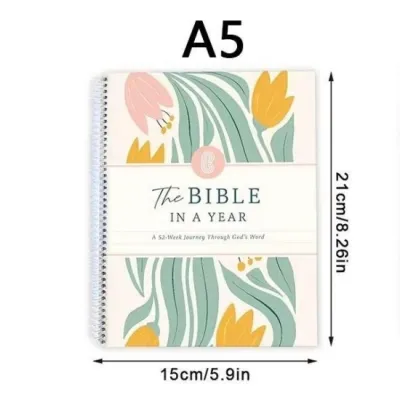
Prices are valid at publication and may change. Please refer to the product page for the latest price.
Your preferred prayer style should also dictate your choice of reading material. Some readers thrive on scriptural meditation, using the lectio divina method to slowly digest a single passage of scripture. Others find comfort in structured liturgical prayer, aligning their daily reflections with the universal Church’s calendar. If you prefer practical, actionable advice on growing in virtue and overcoming personal faults, classic spiritual theology written by recognized saints may be the most rewarding path.
Finally, always check the book’s physical and editorial specifications before making a purchase. Verify the translation, edition, language, and format to ensure it fits your lifestyle. For instance, in the Philippines, where high humidity and tropical weather can affect paper quality over time, choosing a book with a durable synthetic leather cover or high-quality acid-free paper can prevent yellowing and mold. If you plan to read during your daily commute, a compact pocket-sized paperback or a digital e-book version is often more practical than a heavy, multi-volume hardcover set. Always ensure the text has ecclesiastical approval, such as an Imprimatur and Nihil Obstat, which indicates that the book is free from doctrinal error.
Recommended Catholic Devotional and Spiritual Books
The Catholic literary tradition is incredibly rich, offering resources tailored to every stage of the spiritual journey. To help you navigate this vast selection, we have categorized these books into three distinct types: daily devotionals, classic spiritual masterpieces, and scripture-based liturgical guides. Each category serves a different purpose and requires a different level of commitment.

As you explore these recommendations, keep in mind that specific editions, translations, and publishers vary widely. It is always wise to verify the contents, translation style, and canonical approval of any Bible book or devotional before checking out your cart on an online marketplace.
Daily Devotionals and Missalettes
Daily devotionals and missalettes are designed specifically for readers who want a structured, time-efficient way to pray every day. These publications typically offer a single page or a short passage for each calendar day, making them incredibly easy to integrate into a busy routine. Many of these resources are formatted as monthly or quarterly booklets, such as popular missalettes that contain the daily Mass readings, a brief reflection written by a priest or lay theologian, and a short biography of the saint of the day.
One of the greatest benefits of using a daily missalette or devotional is its alignment with the liturgical calendar. By reading the prescribed texts for each day, you pray in union with millions of Catholics worldwide, following the seasons of Advent, Christmas, Lent, Easter, and Ordinary Time. This liturgical grounding helps you experience the mysteries of Christ’s life systematically throughout the year, providing a natural rhythm to your spiritual life.
However, readers must be aware of the time-sensitive nature of these materials. Monthly or annual missalettes are tied directly to the specific calendar dates of a given year. Because the liturgical calendar shifts annually (with feasts like Easter and Pentecost falling on different dates), these booklets expire and cannot be easily reused in subsequent years. Before purchasing, always check the publication year and the specific months covered to ensure you are buying a current edition. If you prefer a more sustainable option, look for undated daily devotionals that focus on general spiritual themes or saintly quotes, which can be picked up and read at any time of the year.
Classic Spiritual Masterpieces
For those who are ready to transition from brief daily reflections to deep, systematic spiritual direction, classic spiritual masterpieces are invaluable. These foundational texts, written by recognized saints and doctors of the Church, have stood the test of time because they offer profound insights into human nature and the soul’s relationship with God. They provide structured methods for mental prayer, detailed guides for the examination of conscience, and practical advice on building virtues like humility, patience, and charity.
When choosing a spiritual classic, the translation you select can make or break your reading experience. Many of these texts were originally written centuries ago in Latin, Spanish, French, or Italian. Older, public-domain English translations often use archaic language, complex sentence structures, and outdated terminology that can be difficult for modern readers to comprehend. To avoid frustration, look for modern, readable translations from reputable Catholic publishers. These contemporary editions often include helpful introductions, explanatory footnotes, and study guides that clarify historical contexts and theological terms.
It is also important to recognize that classic spiritual masterpieces require a different reading mindset than daily devotionals. These books are not meant to be rushed through or read in short, distracted bursts. They are best suited for dedicated, uninterrupted study sessions where you can read a few pages, pause to reflect, and write down your thoughts. If you choose this route, set aside a specific time of day—such as early morning before the household wakes up—to sit quietly with the text and allow its lessons to sink deeply into your heart.
Liturgical and Scripture-Based Prayer
If you want your daily prayer habit to be anchored directly in the Word of God, scripture-based and liturgical prayer books are the ideal choice. Reading a specific Bible book (often searched online as a bibble book) with the aid of reliable Catholic commentary allows you to study scripture systematically. Rather than reading passages at random, a structured scripture study guide or a daily lectionary book guides you through the Old and New Testaments in a coherent, spiritually enriching manner.
Another powerful way to pray with the Church is through the Liturgy of the Hours, also known as the Divine Office. This is the official, structured prayer of the Catholic Church, prayed at specific times throughout the day by priests, religious, and increasingly by laypeople. For beginners, a full four-volume Liturgy of the Hours set can be intimidating and expensive, requiring you to learn a complex system of ribbons, rubrics, and seasonal shifts. A highly practical alternative is a condensed, one-volume edition often titled Christian Prayer or Shorter Christian Prayer. These single-volume editions contain the morning and evening prayers in a simplified format, making them much easier for laypeople to learn and use daily.
Before purchasing any scripture-based prayer book, always verify its canonical status and physical specifications. A Catholic Bible must contain all seventy-three books, including the seven Deuterocanonical books (such as Tobit, Judith, and Maccabees) that are omitted from Protestant editions. Look for an official ecclesiastical approval page at the beginning of the book. Additionally, consider the physical size and weight of the volume. If you plan to carry your prayer book to work, parish meetings, or adoration chapels, a compact, lightweight edition with a zipper closure or a protective slipcase will help keep the pages clean and undamaged during transit.
How to Integrate Spiritual Reading into Your Daily Life
Selecting the perfect book is only the first step; the real challenge lies in building a consistent daily habit. One of the most effective strategies for establishing this routine is a psychological technique known as habit-stacking. This involves pairing your new spiritual reading habit with an existing, deeply ingrained daily routine. For example, you might resolve to read your daily devotional immediately after pouring your morning cup of coffee, or open your prayer book the moment you sit down on your daily commute. By anchoring the new habit to an established trigger, you significantly reduce the mental effort required to start reading each day.
Another crucial key to long-term consistency is setting realistic, manageable expectations. Many people fail to maintain a prayer routine because they set overly ambitious goals, such as promising to read an entire chapter of a dense theological book every day. When they inevitably fall behind due to a busy schedule, they feel discouraged and abandon the practice altogether. Instead, focus on depth rather than speed. It is far better to read a single paragraph slowly, meditating on its meaning and asking how it applies to your life, than to rush through ten pages just to check a box. If you only have five minutes, give those five minutes your full, undivided attention.
To enhance your daily reading practice, consider keeping a simple prayer journal alongside your book. This does not need to be an elaborate or time-consuming diary. Simply write down the date, a single sentence or phrase from your reading that struck you, and a brief, one-sentence prayer or resolution for the day. This simple act of writing helps solidify the lessons in your mind and provides a beautiful record of your spiritual growth over time. On days when you feel dry or unmotivated, looking back through your journal can remind you of past insights and encourage you to keep moving forward on your spiritual journey.
Frequently Asked Questions (FAQ)
What is the difference between a devotional and a spiritual classic?
Daily devotionals are designed for quick, practical daily inspiration, offering short, topical reflections, scripture verses, and prayers tied to a specific calendar day. In contrast, spiritual classics are comprehensive, timeless theological works written by saints or theologians that offer systematic, progressive guidance on deep mental prayer, virtue building, and the stages of the spiritual life.
Do I need to buy a new devotional every year?
It depends on the format of the devotional. Monthly or annual missalettes that contain the daily Mass readings are tied to a specific liturgical year and calendar, meaning they expire and cannot be easily reused. However, undated daily devotionals, classic spiritual books, and scripture guides do not expire and can be read and reused indefinitely year after year.
Can I use a standard Bible for daily Catholic prayer?
While any Bible can be used for reading, a standard Protestant Bible lacks the seven Deuterocanonical books and will not align with the Catholic daily lectionary or liturgical readings. For daily Catholic prayer, it is highly recommended to use an approved Catholic Bible edition that contains the complete canon of seventy-three books and carries an official Imprimatur to ensure doctrinal accuracy.
Community discussion
Share your experience or ask a question. Comments are reviewed before publication.