
Deepening your faith through spiritual reading requires moving beyond simple historical facts or moral checklists. To truly encounter the depths of Catholic theology, you must engage with the concept of divine mystery—the reality of God that surpasses human understanding yet invites us into an intimate, living relationship.
Selecting the right books on this subject allows you to transition from a passive observer of faith to an active participant in the divine life. When exploring literature centered on divine mystery, the goal is not to solve a puzzle but to surrender to a reality that is infinitely larger than ourselves.
This guide provides a structured framework to help you identify, select, and prayerfully read authentic Catholic spiritual books that focus on the profound mysteries of the faith. By applying these discernment methods, you can ensure your spiritual formation is both doctrinally sound and personally transformative.
Products mentioned in this guide
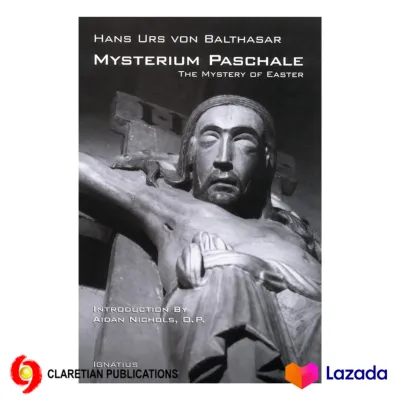
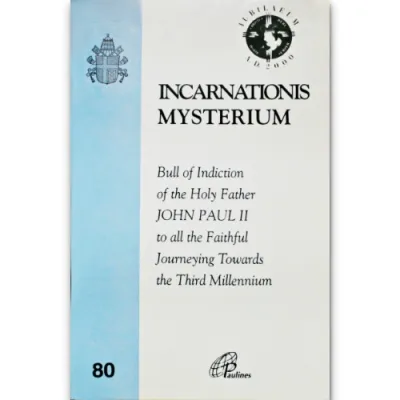
Prices are valid at publication and may change. Please refer to the product page for the latest price.
What Mysterium Means in Catholic Spirituality
To appreciate this category of spiritual literature, it is essential to understand what the Church means by the theological concept of divine mystery. In secular language, a mystery is a puzzle, a riddle, or a crime story waiting to be solved. Once you gather enough clues and apply logical deduction, the mystery disappears, leaving behind a fully explained set of facts.
In Catholic theology, the concept operates in the exact opposite direction. A divine mystery is not something dark or hidden that we cannot know at all; rather, it is a reality so rich, luminous, and infinite that we can never fully exhaust its meaning. The more we learn about it, the more we realize there is to discover, inviting perpetual contemplation and worship.
Engaging with these profound realities is central to personal faith formation because it prevents your spiritual life from becoming dry or purely intellectual. When you read about the mysteries of God, you are not merely acquiring information. You are entering into a sacred space where God communicates His very life to you, shaping how you pray, how you view the world, and how you love others.
Furthermore, this theological concept is deeply woven into the liturgical life of the Church. Every time you attend Mass, you participate in the celebration of these sacred realities, most notably during the proclamation of the Mystery of Faith. By reading books that unpack these profound truths, your participation in the liturgy becomes more active, conscious, and fruitful, turning routine rituals into deeply felt encounters with the living God.
How to Choose the Right Books on Divine Mystery
Selecting spiritual reading on divine mystery requires careful discernment to ensure the texts you choose are doctrinally sound and suited to your spiritual journey. Because the market contains a vast array of religious writings, applying a clear evaluation framework will protect you from theological errors and help you find books that truly nourish your soul.

Your first step should always be to check the author’s theological background and look for official ecclesial approval markers. Authentic Catholic books dealing with faith and morals often carry the Nihil Obstat, which indicates that a diocesan censor has found nothing contrary to faith or morals in the text. This is accompanied by the Imprimatur, the official permission from a bishop to publish the book, providing a reliable guarantee of doctrinal alignment.
Next, identify the target audience of the book to match it with your current level of spiritual maturity. Some texts are written specifically for beginners in contemplative prayer, using accessible language and practical steps to introduce the concept of divine presence. Other works, such as academic treatises or historical theological texts, are designed for advanced study and require a familiarity with philosophical terms. Choosing a book that matches your current capacity prevents frustration and ensures steady spiritual growth.
You must also evaluate the translation quality, publisher reputation, and specific edition notes, especially when selecting classic spiritual works or translated theological texts. A poor translation can obscure complex theological nuances or alter the original author’s spiritual intent. Look for editions published by reputable Catholic publishing houses, and check if the volume includes explanatory footnotes, introductions, or study guides that clarify historical contexts.
Finally, consider the physical medium and format of the book in relation to your reading environment. In tropical climates where high humidity can cause paper pages to warp, yellow, or attract mold, you might weigh the benefits of durable hardcovers or high-quality paperbacks against digital editions. If you choose digital formats, verify device compatibility and ensure the file format preserves the complete text, including essential theological footnotes and appendices.
Key Themes to Explore in Mysterium Literature
When building your spiritual reading list, it is helpful to organize your selections around the core themes of Catholic tradition where the concept of divine mystery is most vividly expressed. Focusing on these established thematic categories ensures a balanced and comprehensive approach to your faith formation.
The Eucharistic Mystery
The Eucharist is the source and summit of the Christian life, making it the primary starting point for exploring divine mystery. Literature in this category focuses on the Real Presence of Jesus Christ in the Blessed Sacrament and the sacrificial nature of the Holy Mass. Reading foundational papal encyclicals, pastoral letters, and theological reflections on the Eucharist helps you move beyond a superficial understanding of the liturgy. These texts invite you to contemplate how the infinite God humbles Himself to become present under the appearances of bread and wine, transforming your reception of Holy Communion into a moment of profound mystical union.
The Mystery of the Rosary
The Rosary is not merely a repetitive vocal prayer; it is a deeply contemplative journey through the life of Christ. Books dedicated to the mysteries of the Rosary—the Joyful, Luminous, Sorrowful, and Glorious mysteries—provide rich meditations that help you view these biblical events through the eyes of the Blessed Virgin Mary. This literature guides you in balancing the vocal prayers with deep mental contemplation, allowing the historical events of salvation history to penetrate your daily life and shape your moral choices.
The Trinitarian and Incarnational Mystery
At the heart of Christian revelation lie the mysteries of the Holy Trinity and the Incarnation. Classic spiritual texts and modern theological commentaries on these subjects explore the inner life of God and His decision to enter human history. Reading about these mysteries helps you contemplate the infinite love of God, who is not a distant force but a communion of three Divine Persons inviting humanity to share in His divine nature. These works challenge your intellect while drawing your heart into deeper adoration.
How to Read and Meditate on Spiritual Texts
Acquiring the right books is only the first step; the true benefit of spiritual reading comes from how you engage with the text. Unlike academic study or casual reading, spiritual reading is a form of prayer that requires a slow, meditative, and receptive approach.
To transition from informational reading to formative reading, you can practice lectio divina with your chosen book. Instead of rushing to finish a chapter, read a short passage slowly, letting the words resonate in your heart. Meditate on a specific sentence or concept that strikes you, speak to God about how this truth applies to your life, and then rest quietly in His presence, allowing the Holy Spirit to work within you.
Creating a sustainable reading routine requires setting a realistic pace and establishing a dedicated, distraction-free space. In a busy household, this might mean waking up early in the morning or finding a quiet corner during the cooler evening hours. Given the warm, tropical climate, setting up a comfortable chair near an open window with a gentle breeze or a quiet fan can help you remain alert and focused during your prayerful reading.
Keeping a spiritual journal is another highly effective way to integrate these insights into your daily life. Write down key passages, your personal reflections, and any resolutions that arise during your reading. Additionally, discussing your insights with a spiritual director, a parish priest, or a trusted faith-sharing group can provide valuable guidance, helping you avoid misinterpretations and encouraging you to live out the truths you discover.
Frequently Asked Questions (FAQ)
Where can I find authentic Catholic spiritual books in the Philippines?
You can find authentic Catholic spiritual books through several reliable channels across the country. Diocesan media offices, parish bookstalls, and official Catholic bookstores operated by religious congregations are excellent sources for physical books. These physical locations allow you to inspect the print quality, verify the presence of the Imprimatur, and ensure the edition is complete before making a purchase.
If you prefer shopping online, look for reputable religious retailers and official publishing houses that maintain dedicated digital storefronts. When purchasing from general online marketplaces or third-party sellers, exercise caution. Always verify the publisher, check the product description for completeness, and read seller ratings to avoid purchasing unauthorized photocopies, poorly translated editions, or texts that lack proper ecclesiastical approval.
Do I need a theology degree to understand books on Mysterium?
No, you do not need a formal theology degree to read and benefit from books on divine mystery. Many of the greatest spiritual classics, papal letters, and devotional guides were written specifically for the lay faithful to support daily contemplation and personal holiness. While the concepts are profound, the primary requirement for reading them is an open heart and a desire to grow closer to God, rather than academic expertise.
If you encounter denser theological passages or unfamiliar terminology, you can easily navigate them by using companion resources. Consider keeping a basic Catholic dictionary or a copy of the Catechism nearby to look up unfamiliar terms. Many modern editions also include helpful study guides, introductory essays, and explanatory footnotes designed specifically to help lay readers understand the historical and theological context of the text.
Community discussion
Share your experience or ask a question. Comments are reviewed before publication.