
Embarking on a journey to read the entire Bible in a single year is a deeply rewarding spiritual commitment that requires both dedication and the right tools. For Catholic readers in the Philippines, finding an edition that aligns with the teachings of the Church while offering a structured, manageable daily reading plan is essential to sustaining this daily habit. While several dedicated “Bible in a Year” editions are available globally, navigating local availability, choosing the right translation, and selecting a physical format that can withstand the local tropical climate require careful consideration. By understanding what to look for, you can select a Bible that not only guides your daily reflections but also serves as a durable companion for your spiritual growth.
Choosing the right edition involves more than simply picking up the first Bible you see on a bookstore shelf. A Catholic Bible must contain the complete canon of Sacred Scripture, including the seven Deuterocanonical books that are not found in Protestant editions. Furthermore, the format of the reading plan itself—whether it is integrated directly into the daily layout or provided as a separate guide—will greatly influence your daily reading experience. This guide will help you understand the different types of reading plans, what key features to verify before making a purchase, where to find these editions locally, and how to adapt if your preferred edition is out of stock.
Types of Catholic One-Year Reading Plans
When exploring one-year Bible editions, you will encounter several distinct structural approaches designed to help you pace your reading over 365 days. The most common format is the narrative-chronological plan, which has gained immense popularity worldwide. This plan organizes the biblical books not in their traditional canonical order, but in the order of historical events as they unfolded in salvation history. By reading the scriptures chronologically, you can better understand how the Old Testament covenants build toward fulfillment in the New Testament, making the historical context of each book much easier to grasp.
Products mentioned in this guide
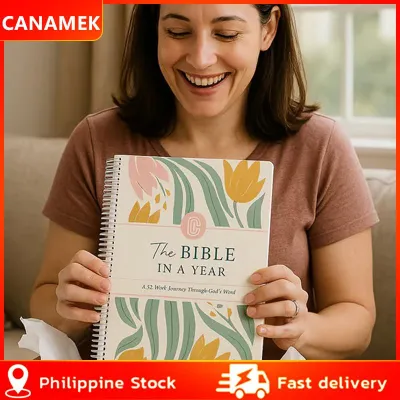
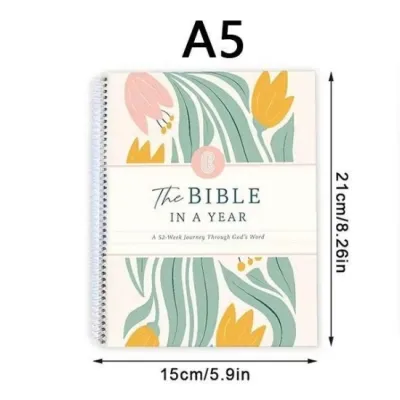
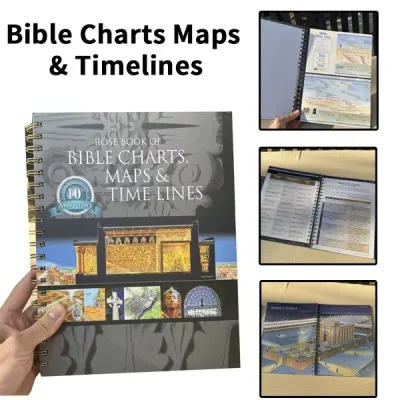

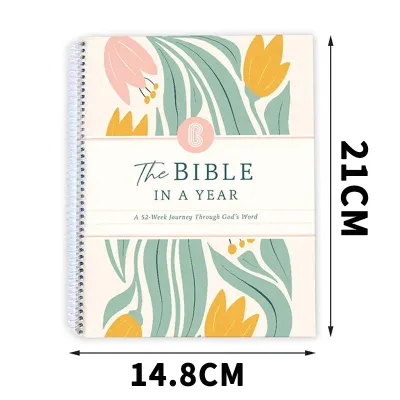
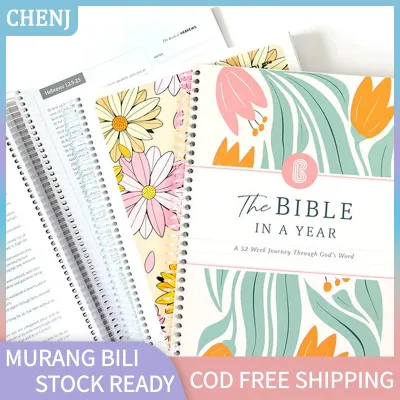
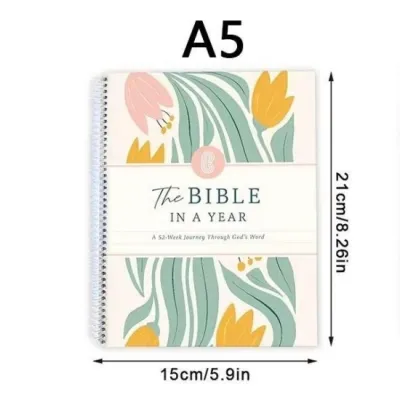
Prices are valid at publication and may change. Please refer to the product page for the latest price.
Another traditional approach is the liturgical or lectionary-based reading plan. This structure aligns your daily personal reading with the Catholic Church’s liturgical calendar, guiding you through passages that mirror or complement the daily Mass readings. For readers who regularly attend daily Mass or follow the Liturgy of the Hours, this plan provides a harmonious way to integrate personal study with the communal prayer life of the Church. It allows you to live the liturgical seasons of Advent, Christmas, Lent, Easter, and Ordinary Time more deeply through targeted daily scripture meditation.
A third common structure is the canonical or sequential plan, which simply guides you from Genesis to Revelation in a straight line. To prevent reader fatigue, many publishers modify this sequential approach by offering a daily blend of different biblical genres. For example, a typical day’s reading might include a selection from the Old Testament history books, a passage from the New Testament, and a short selection from the Wisdom literature or the Psalms. This variety keeps the daily reading fresh and prevents readers from getting discouraged during more challenging historical or genealogical passages.
Regardless of the structural layout, a genuine Catholic reading plan must account for the complete 73-book canon. This includes the Deuterocanonical books: Tobit, Judith, Wisdom, Sirach, Baruch, and 1 and 2 Maccabees, along with Catholic additions to the books of Esther and Daniel. Because these books are fully integrated into Catholic theology and liturgy, a proper Catholic one-year plan will distribute these readings throughout the year rather than omitting them or placing them in an appendix. When selecting a plan, verify that these books are woven naturally into the daily schedule to ensure you experience the full breadth of Catholic scripture.
Finally, consider how the daily breakdowns and reflection formats are presented. Some editions are pre-formatted, meaning the Bible text itself is divided into 365 dated sections, so you only need to open to the current date to find your readings. Other editions maintain the standard biblical layout but include a reading checklist or calendar at the beginning or end of the book. Additionally, some editions include brief daily commentaries, prayer prompts, or historical explanations alongside the scripture passages, which can be incredibly helpful for contextualizing difficult verses.
What to Verify Before Buying a Catholic Bible
Before purchasing a Catholic Bible for your one-year reading journey, the most critical step is to verify its theological approval. Every official Catholic Bible must carry the Imprimatur (Latin for “let it be printed”) and the Nihil Obstat (meaning “nothing hinders”). These declarations, usually found on the copyright page, indicate that a Catholic bishop and a diocesan censor have reviewed the text and found it free of doctrinal or moral error. Checking for these marks ensures that you are reading an authorized translation that contains the complete 73-book canon and accurate explanatory notes.

The choice of translation is another vital factor that affects both readability and study depth. The Revised Standard Version Catholic Edition (RSV-CE) and its subsequent update, the RSV-2CE, are highly regarded for their formal equivalence, meaning they translate the original languages as literally as possible while maintaining elegant English prose. This translation is favored by many study programs and theological guides. Alternatively, the New American Bible Revised Edition (NABRE) is widely used in liturgical settings and is known for its extensive, scholarly footnotes that explain historical contexts and translation nuances. For a more pastoral and accessible reading experience, the Christian Community Bible (CCB) features simplified language and practical, faith-sharing commentaries that are highly popular in parish study groups across the Philippines.
Physical durability is a particularly important consideration for readers in the Philippines due to the tropical climate. High humidity and ambient heat can cause thin Bible paper, often referred to as onion skin or Bible paper, to absorb moisture, warp, or stick together. To prevent this, look for editions with high-quality, opaque paper that resists ink bleed-through. The binding of the Bible is equally crucial; cheap glued bindings tend to dry out, crack, and lose pages over time when exposed to tropical conditions. Investing in a Smyth-sewn binding ensures that the Bible can lay flat on a table without the spine breaking, preserving the book through years of daily handling.
Cover materials also play a significant role in protecting your investment from humidity and wear. While genuine leather covers offer the greatest longevity, they require regular care to prevent mold in humid environments. High-quality synthetic leather, often labeled as polyurethane (PU) or imitation leather, offers excellent moisture resistance, flexibility, and durability at a more accessible price point. Hardcover editions provide excellent structural protection for the pages but can be heavy to carry if you plan to read during your daily commute. If you choose a paperback edition, consider using a protective plastic sleeve or a zippered Bible case to shield the edges from fraying and moisture.
Lastly, evaluate the layout and legibility of the text. Because you will be reading this Bible every single day, the font size and page layout must be comfortable for your eyes. Standard print sizes in compact Bibles can be as small as 6 or 7 points, which can cause eye strain during extended reading sessions. Look for comfort print or large print editions, typically ranging from 9 to 11 points, which offer clear contrast against the paper. Additionally, check whether the reading plan is integrated directly into the text flow or if it requires you to flip back and forth to a separate index, as a seamless layout can significantly reduce friction in your daily routine.
Where to Buy Catholic Bibles in the Philippines
Finding an approved Catholic Bible with a one-year reading plan in the Philippines is highly achievable if you know where to look. Established Catholic bookstore chains are the most reliable physical retail sources. These specialized shops carry a wide variety of approved translations, including locally printed editions and imported study Bibles. Diocesan pastoral centers and parish offices also frequently stock affordable editions of the Bible, particularly the Christian Community Bible and the New American Bible, which are widely used in local ministries.
If you prefer the convenience of online shopping, major e-commerce platforms and online marketplaces host official digital storefronts for local Catholic publishers and authorized distributors. When browsing these platforms, it is crucial to verify the authenticity of the seller to avoid purchasing counterfeit prints or unauthorized translations. Look for stores that are explicitly verified or run directly by recognized Catholic publishing houses. Always read the product descriptions carefully and, if possible, message the seller to ask for a photo of the copyright page to confirm the presence of the Imprimatur and the specific translation version.
Comparing prices in ₱ is an important step in finding an edition that fits your budget. Locally printed paperback and newsprint editions are highly economical, often priced very affordably to make scripture accessible to everyone. Mid-range editions featuring hardcover bindings or synthetic leather covers offer a great balance of durability and cost. Premium imported editions, especially those with specialized study notes, gilded edges, and genuine leather covers, represent a more significant financial investment. By comparing listings across different authorized online storefronts, you can find competitive pricing and avoid inflated markups from unauthorized third-party resellers.
When ordering specialized or imported “Bible in a Year” editions from international publishers, keep in mind the potential logistical challenges. International shipping fees can sometimes equal or exceed the cost of the book itself, and packages may be subject to customs delays or import taxes. To mitigate these costs, check if local Catholic distributors or major national book store chains can special-order the edition for you, or look for digital editions and companion guides that do not require physical shipping.
Alternatives When Built-In Plans Are Unavailable
If you cannot find a dedicated, pre-formatted one-year Catholic Bible in stock, there is no need to delay your reading goals. You can easily create your own one-year reading setup by pairing any standard Catholic Bible with a standalone reading guide. Many Catholic apostolates and parishes distribute free, printable reading plan brochures or bookmarks that outline exactly which chapters to read each day. This approach allows you to choose a Bible translation and physical format that you truly love, rather than being limited to the specific translations offered in pre-formatted daily editions.
Another highly effective alternative is to utilize digital tools alongside your physical Bible. Several approved Catholic mobile applications and daily podcasts offer structured reading plans that guide you through the scriptures day by day. You can use these digital resources as a guide, looking up the scheduled passages in your physical Bible to read, highlight, and meditate on at your own pace. This hybrid method combines the convenience of digital tracking with the tactile, distraction-free experience of reading from a physical book.
Using a personal reading journal or a simple printed tracker is also an excellent way to maintain your progress. Instead of following a strict calendar date (such as “January 1st”), a checklist-style tracker allows you to mark off days sequentially (such as “Day 1, Day 2”). This format removes the psychological pressure of falling behind if you miss a day due to illness, travel, or a busy work schedule. You can simply pick up right where you left off without feeling discouraged by a mismatched calendar date on the page.
Ultimately, the most important aspect of a one-year Bible journey is spiritual enrichment, not rigid adherence to a timeline. If you encounter a passage that deeply moves you or raises questions, it is entirely appropriate to slow down and spend several days studying and praying over those verses. Adjusting your pace to fit your personal reflection needs ensures that your daily reading remains a life-giving spiritual practice rather than a chore to be rushed through.
Frequently Asked Questions (FAQ)
Do You Need a Specific Catholic Edition for a One-Year Plan?
Yes, it is highly recommended to use a specific Catholic edition of the Bible for a Catholic one-year reading plan. Standard Protestant Bibles contain only 66 books, omitting the seven Deuterocanonical books that are part of the Catholic biblical canon. If you attempt to follow a Catholic reading plan using a non-Catholic Bible, you will find that many scheduled daily readings are missing from your text. Using an approved Catholic edition ensures you have access to the complete 73-book canon, allowing you to follow the reading plan seamlessly without missing essential parts of scripture.
Can You Use Audio Versions for a One-Year Catholic Plan?
Absolutely. Audio versions are an excellent way to complete a one-year Catholic Bible plan, especially for individuals with busy commutes or visual impairments. When choosing an audio option, ensure that the narrator is reading from an approved Catholic translation and that the plan includes the Deuterocanonical books. Many official Catholic mobile applications offer high-quality audio recordings of daily readings. Before subscribing or downloading, verify the app’s device compatibility with your smartphone and check if the audio features require a paid subscription or are available as a free resource.
Community discussion
Share your experience or ask a question. Comments are reviewed before publication.