
Quick Answer: Which Casio Series Should You Choose?
Choosing the right keyboard depends on your current playing level, your musical goals, and how you plan to use the instrument. Casio offers distinct product lines designed to address specific needs, making it easier to find a match once you identify your primary use case.
Select the CTK series if you are a complete beginner or a casual hobbyist looking for an affordable, lightweight, and highly portable instrument. These keyboards are designed for easy learning and simple operation, providing a low-risk entry point into music making.
Choose the CT-X series if you are an intermediate player, songwriter, or gigging musician who requires high-quality instrument tones, diverse rhythm accompaniments, and creative production tools. This series offers advanced sound generation and performance features without the weight or cost of a full-sized digital piano.
Products mentioned in this guide
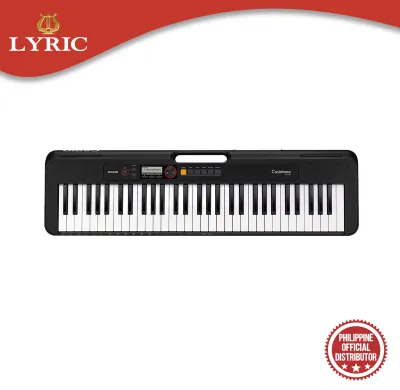
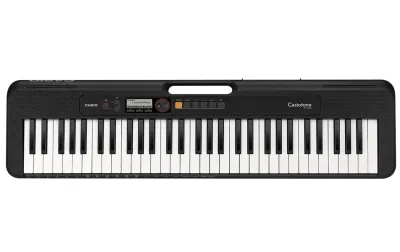

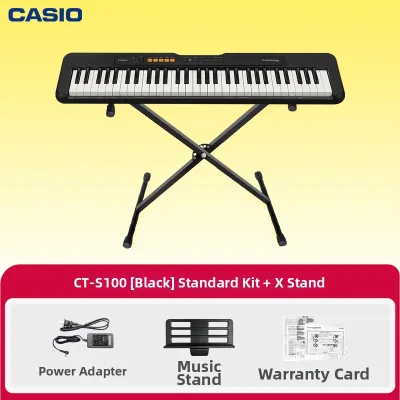
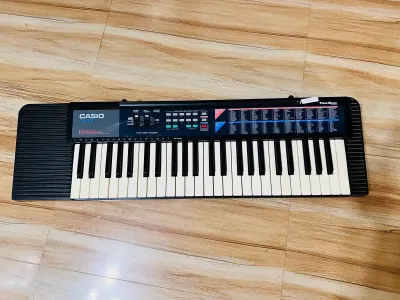
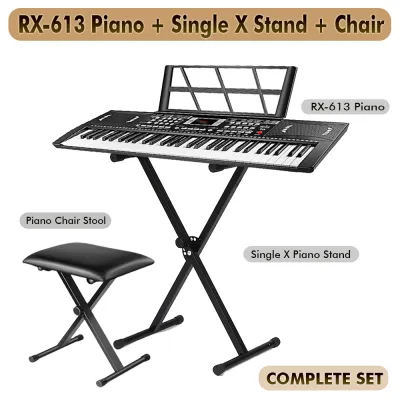
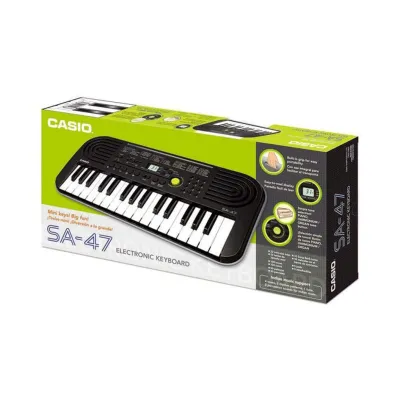
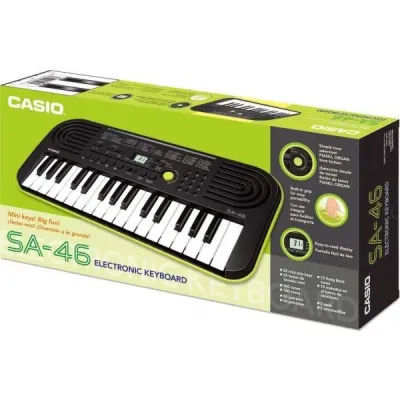
Prices are valid at publication and may change. Please refer to the product page for the latest price.
Opt for the Privia series if your primary goal is to play or study traditional piano. These digital pianos feature weighted keys that simulate the feel of an acoustic piano, advanced sound modeling for expressive dynamics, and a sleek design suitable for home practice or professional stage performances.
Before making a final decision, verify specific model availability, package bundles, and local pricing with authorized retailers in the Philippines to ensure you receive a valid local warranty and the correct accessories.
Core Positioning: CTK vs CT-X vs Privia
Understanding the design philosophy behind each Casio series helps clarify why they differ so significantly in price, feel, and functionality. Each line is engineered to serve a specific type of player, from the curious novice to the performing artist.

CTK Series: Accessible and Portable Learning
The CTK series is built on the concept of accessible music education. These instruments prioritize lightweight portability, straightforward interfaces, and built-in learning systems. They are designed to remove the barriers to entry for first-time players, offering a variety of basic tones and rhythms to keep practice sessions engaging. Many models can run on standard batteries, making them highly portable for casual play around the home or on the go.
CT-X Series: High-Fidelity Sound and Arranging
The CT-X series represents a significant step up in sound quality and creative capability. Powered by advanced sound engines, these keyboards focus on delivering realistic instrument voices, from acoustic pianos and vintage electric keys to detailed brass and synth textures. They function as arranger keyboards, offering sophisticated auto-accompaniment styles and multi-track recording capabilities. This makes the CT-X line highly suitable for solo performers, songwriters, and home studio enthusiasts who want to build full-sounding arrangements.
Privia Series: Slim and Expressive Digital Pianos
The Privia series is designed to bridge the gap between digital convenience and acoustic piano authenticity. Rather than focusing on hundreds of different sound effects or backing tracks, Privia instruments prioritize the core piano experience. They feature full-sized, weighted keys that mimic the resistance and hammer action of a grand piano. Housed in slim, modern cabinets, Privia digital pianos are styled to fit elegantly into living spaces while delivering the expressive range required for classical study and serious performance.
Key Decision Factors: Sound, Keys, and Features
When comparing these three series, several technical specifications directly impact how the instrument feels to play and how realistic it sounds. Evaluating these key factors will help you determine which series aligns with your expectations.
Key Action and Feel
The mechanism beneath the keys is the most critical factor in how a keyboard feels. The CTK series features light, unweighted synth-action keys. These keys use simple springs for tension, making them very easy for young children or beginners to press, though they do not offer the resistance needed to develop traditional piano finger strength.
In contrast, the CT-X series typically utilizes semi-weighted or touch-sensitive keys. While still light and fast, they respond to how hard or soft you strike the key, allowing for basic volume dynamics.
The Privia series features fully weighted, scaled hammer-action keys. These keys simulate the physical hammers of an acoustic piano, meaning the lower register feels heavier to the touch than the higher register. This realistic resistance is essential for developing proper finger technique, hand strength, and nuanced dynamic control.
Sound Engine and Polyphony
The quality of the internal sounds depends heavily on the underlying sound engine. Entry-level CTK models use basic tone generation, which provides clear but simplified representations of instruments. The CT-X series utilizes advanced sound sources that capture the complex overtones and resonance of acoustic instruments, resulting in much richer and more realistic voices.
Privia digital pianos employ high-definition acoustic modeling. This technology reproduces the subtle nuances of a grand piano, such as string resonance, damper noise, and key-off response.
Polyphony—the maximum number of individual notes the keyboard can sound at the same time—is also a key differentiator. Lower-end models may offer 32 or 48 notes of polyphony, which is sufficient for simple melodies. However, when playing complex classical pieces or using a sustain pedal, notes can cut off abruptly. Privia models offer much higher polyphony limits, ensuring that sustained chords and layered sounds decay naturally without interruption.
Connectivity and Expansion
Your choice of keyboard should support how you plan to interact with other devices. Most modern models across these series include a USB-to-Host port, allowing you to connect the keyboard to a computer, tablet, or smartphone to use as a MIDI controller with learning apps or recording software.
If you plan to perform live or record high-quality audio, look for dedicated line-out ports, which are common on CT-X and Privia models but rare on entry-level CTK keyboards. Additionally, check for pedal inputs; while a basic sustain pedal input is standard on most models, advanced Privia models often support three-pedal units to replicate the soft, sostenuto, and damper pedals of an acoustic grand piano.
Matching the Series to Your Playing Goals
To make the most practical choice, consider how your daily playing routine and long-term musical aspirations align with what each series offers.
For Beginners and Casual Hobbyists
If you are exploring keyboard playing as a new hobby or purchasing an instrument for a young child, the CTK series offers a low-risk, user-friendly starting point. The lightweight design makes it easy to store when not in use, and the built-in lesson functions help beginners learn basic songs at their own pace. Because the interface is straightforward, you can spend more time playing and less time navigating complex digital menus.
For Gigging Musicians and Producers
If you need an instrument for songwriting, live performance, or music production, the CT-X series provides the versatility you require. The extensive library of realistic instrument tones and customizable backing rhythms allows you to perform as a one-person band or quickly draft song ideas. Its relatively light weight makes it easy to transport to rehearsals and gigs, while the onboard recording features let you capture ideas directly on the instrument.
For Classical Students and Piano Purists
If your goal is to study classical piano, play traditional repertoire, or transition smoothly to an acoustic piano, the Privia series is the clear choice. The weighted key action is necessary for building the muscle memory and finger control required by piano instructors. The expressive sound engine allows you to practice subtle variations in touch and tone, making it a reliable long-term investment for serious students and experienced players alike.
What to Verify Before Buying Your Casio Keyboard
To ensure a smooth purchasing experience and protect your investment, keep a few practical considerations in mind before finalizing your order.
- Power Compatibility: Verify that the keyboard includes a compatible power adapter rated for the local 220V electrical grid. Imported models from other regions may package 110V adapters, which require a step-down transformer to operate safely in local outlets.
- Bundle Contents: Compare what is included in the purchase price. Some online marketplaces offer bare instruments, while others package them as bundles containing essential accessories like a sturdy stand, a comfortable bench, a sustain pedal, and headphones. Calculate the total cost of purchasing these items separately to find the best value.
- Warranty and Service: Confirm that your purchase is covered by an official local distributor warranty rather than a seller-specific warranty. This ensures you can access authorized service centers in major metropolitan areas in the Philippines if you ever need repairs or replacement parts.
- Environmental Care: Because the tropical climate in the Philippines brings high humidity, plan to protect your instrument. Keep your keyboard away from direct sunlight and open windows, and invest in a fitted dust cover to prevent moisture and dust from affecting the internal electronic contacts and key sensors.
Frequently Asked Questions (FAQ)
Can I use a CTK or CT-X keyboard to learn classical piano?
While you can use a CTK or CT-X keyboard to learn basic note layouts, finger placements, and music theory, they are not recommended for serious classical piano study. Classical repertoire relies heavily on dynamic expression and touch sensitivity, which require the weighted keys of a digital piano like the Privia series. Learning on unweighted keys can make it difficult to develop the hand strength and control needed to play an acoustic piano.
Do Privia digital pianos require tuning or regular maintenance?
Unlike acoustic pianos, Privia digital pianos use digital samples and electronic tone generation, meaning they never require professional tuning. Maintenance is minimal and primarily involves keeping the instrument clean and dry. Use a soft, dry microfiber cloth to wipe down the keys, avoid using harsh chemical cleaners, and ensure the instrument is protected from high humidity and dust to keep the key sensors functioning properly.
Community discussion
Share your experience or ask a question. Comments are reviewed before publication.