
Choosing between a carbon fiber guitar and a traditional wood guitar comes down to a fundamental choice between organic, evolving character and modern, worry-free reliability. Traditional wood instruments are celebrated for their complex, warm resonance that matures over years of playing, but they require meticulous care to survive environmental shifts. Carbon fiber instruments, conversely, utilize advanced composite materials to deliver exceptional structural stability and a highly consistent, bright projection that remains unaffected by extreme weather. For guitarists navigating challenging climates, frequent travel, or outdoor performances, understanding how these materials behave under pressure is the key to making a smart investment.
Core Tonal Differences: Resonance vs. Consistency
Traditional wood guitars owe their legendary status to the complex physics of natural timber. A solid wood soundboard, typically crafted from spruce, cedar, mahogany, or rosewood, is a highly responsive material. This means it vibrates differently along and across the grain, creating a rich tapestry of overtones, deep resonance, and a warm, organic attack. Over years of regular playing, wood undergoes a physical maturation process often referred to as “opening up.” As the natural resins within the wood dry out and crystallize, the soundboard becomes more responsive, resulting in a deeper bass response, sweeter highs, and an overall more complex acoustic voice.
Carbon fiber guitars approach sound production from an engineering perspective. Constructed from woven carbon filaments bound together by epoxy resins, these instruments possess a highly uniform structure. This uniformity eliminates the natural inconsistencies found in wood grain, resulting in a remarkably balanced and consistent tonal profile across the entire fretboard. Carbon fiber guitars typically project a bright, clear, and highly focused sound with excellent sustain and note separation. Because the material does not change with age or environmental exposure, the guitar will sound exactly the same on day one as it does a decade later, offering a predictable acoustic response that many recording artists and live performers value.
Products mentioned in this guide
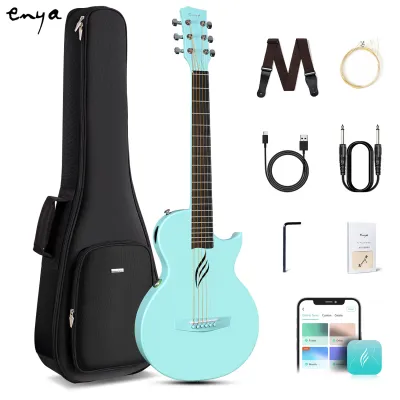
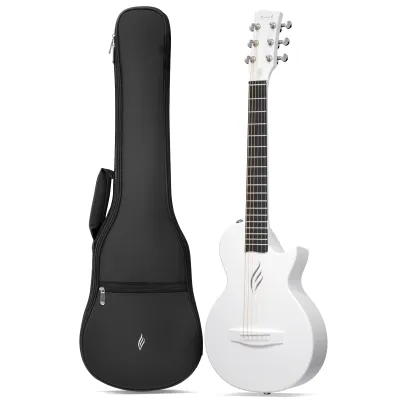
Prices are valid at publication and may change. Please refer to the product page for the latest price.
Ultimately, tonal preference is deeply personal and cannot be measured on a linear scale of quality. While some players find the pristine clarity of carbon fiber to be modern and articulate, others may perceive it as slightly sterile compared to the woody warmth of a traditional acoustic. Conversely, the complex overtones of a wood guitar can sometimes translate to muddy frequencies in live, plugged-in settings where carbon fiber’s focused projection shines. Before committing to either material, it is highly recommended to test both options in person at a local music store or listen to high-quality, unprocessed audio demonstrations using studio-grade headphones to determine which sonic character aligns with your musical style.
Durability and Climate Stability in Tropical Climates
In tropical environments like the Philippines, humidity is a major threat to a traditional wood guitar. High relative humidity causes wood fibers to absorb moisture from the air, leading to swelling, warped soundboards, rising action, and weakened glue joints. Conversely, sudden exposure to air conditioning can dry out the wood rapidly, causing the top to sink, the bridge to lift, or the wood to crack along the grain lines. To prevent these structural failures, owners of wood guitars must invest in dedicated climate control accessories, such as specialized guitar humidifiers, silica gel packs, or dehumidifiers, and keep their instruments stored in sealed hard cases when not in use.

Carbon fiber is highly resistant to these environmental vulnerabilities. Because composite materials do not absorb moisture or react to temperature fluctuations, a carbon fiber guitar is virtually immune to humidity-induced warping, cracking, or swelling. You can transition an instrument directly from a heavily air-conditioned room to the hot, humid outdoors without worrying about the neck bowing or the top splitting. This makes carbon fiber an exceptional choice for beach trips, outdoor gigs, or homes without continuous climate control, as the instrument requires no humidification packs or specialized storage solutions to maintain its structural integrity.
Physical impact resistance is another area where these materials diverge significantly. Traditional wood guitars, particularly those with thin, high-quality solid tops, are fragile and susceptible to dings, cracks, and structural damage from accidental drops or bumps during transit. Carbon fiber, prized for its high strength-to-weight ratio, can withstand significant physical impacts that would easily shatter a wooden soundboard. While it is not entirely indestructible and can still suffer cosmetic scratches or finish chips under severe abuse, a carbon fiber guitar offers a level of ruggedness on the road that traditional wood simply cannot match, providing peace of mind for touring musicians and commuters alike.
Playability, Setup, and Long-Term Maintenance
The structural differences between wood and carbon fiber also dictate how each guitar maintains its playability over time. Traditional wood necks are highly sensitive to seasonal changes, requiring a metal truss rod running through the center to allow players to adjust the neck relief as the wood bows or back-bows. While a truss rod is an essential tool for fine-tuning action, it requires regular monitoring and adjustment to keep the guitar playing comfortably. Carbon fiber necks, on the other hand, are incredibly rigid. Many carbon fiber guitars are built without truss rods entirely, relying on the material’s natural stiffness to maintain a permanent, optimal neck relief, while others include a truss rod solely for players who prefer to customize their setup.
Another common issue that plagues wood guitars in fluctuating climates is “fret sprout.” When a wooden fretboard dries out and shrinks, the metal fret ends begin to protrude past the edge of the neck, creating sharp, uncomfortable edges that can cut a player’s hand. Because carbon fiber and composite fretboards do not shrink or expand, they are completely immune to fret sprout, ensuring the neck edges remain smooth and comfortable to play regardless of weather changes. This stability means that once a carbon fiber guitar is set up to your preferred action height, it will rarely, if ever, require readjustment, saving you from frequent trips to a luthier.
Routine maintenance for both instruments is relatively straightforward but differs in the details. Wood guitars require periodic oiling of the fretboard to prevent drying, along with specialized wood polishes to protect the delicate lacquer or polyurethane finish. Carbon fiber instruments require minimal upkeep; a simple wipe-down with a damp microfiber cloth is usually sufficient to remove sweat, dirt, and fingerprints from the body and fretboard. However, if a carbon fiber guitar does require structural repairs due to extreme accidents, the process is highly specialized and cannot be handled by a traditional luthier using standard wood glues, often requiring you to contact the manufacturer or a composite repair specialist.
Evaluating Price, Value, and Resale Potential
When evaluating the financial aspect of your purchase, it is important to understand how pricing structures and long-term value retention differ between these two categories. In the local market, entry-level wood guitars are highly accessible, with decent laminate models starting at very affordable price points in ₱. However, as you move into mid-range and premium solid-wood instruments, prices rise significantly to reflect the cost of high-grade tonewoods and skilled craftsmanship. Carbon fiber guitars, due to the complex manufacturing processes and specialized materials involved, generally start at a much higher entry price point, making them a significant upfront investment that typically aligns with mid-to-high-end wood guitars.
The long-term value of these instruments follows very different trajectories. Traditional wood guitars from established, heritage brands often hold their value exceptionally well on the secondary market. In some cases, vintage or highly sought-after wood models may even appreciate in value over time, as collectors and players place a premium on aged tonewoods and historical manufacturing techniques. The resale market for wood guitars is robust, active, and deeply rooted in the appreciation of the instrument’s organic aging process.
Carbon fiber guitars, by contrast, are valued primarily for their utility, durability, and modern performance rather than their collectibility. While high-quality carbon fiber instruments retain a reasonable portion of their retail value due to their long lifespan and resistance to wear, they do not “age” or develop a vintage acoustic character that would drive up their price in the future. When purchasing a carbon fiber guitar, your investment is realized through years of reliable, maintenance-free service and the avoidance of costly repairs, rather than the expectation of financial appreciation on the used market.
Final Decision Framework: Which Guitar Suits You?
To make a confident decision, you must weigh your personal lifestyle, playing environment, and tonal priorities against the unique characteristics of each material.
Choose Carbon Fiber if:
- You live in a highly humid or rapidly changing tropical climate and do not want to manage humidifiers or dehumidifiers.
- You travel frequently, perform at outdoor venues, or need a rugged instrument that can handle the physical demands of the road.
- You prefer a highly consistent, bright, and articulate tone that remains identical across all playing conditions.
- You want a low-maintenance instrument that maintains its setup and playability without regular neck adjustments.
Choose Traditional Wood if:
- You prioritize the warm, complex, and evolving acoustic resonance that only natural tonewoods can provide.
- You appreciate the classic, vintage aesthetic of natural wood grain and the heritage of traditional guitar building.
- You are willing to commit to regular maintenance, including monitoring humidity levels and storing the instrument in a controlled environment.
- You view your guitar purchase as a potential long-term investment that may hold or increase in value over time.
Verify First if: Before finalizing any purchase, especially when buying online from an ecommerce platform or specialized distributor, always verify the specific warranty terms and return policies. Ensure that the seller offers a clear return window so you can test the instrument’s tone and playability in your own home. Additionally, check the availability of local repair services; while wood guitars can be serviced by almost any local luthier, carbon fiber instruments may require specialized manufacturer support or composite technicians if structural issues ever arise. Taking these precautions ensures that your investment remains protected and playable for years to come.
Community discussion
Share your experience or ask a question. Comments are reviewed before publication.