
Buying an unsealed K-pop album is one of the most practical ways to build your music collection without paying full retail prices, but it requires a keen eye for detail. In the secondary market, “unsealed” simply means the original factory shrink wrap has been opened. While the outer seal is broken, the core value of the album lies in the completeness of its internal contents. Collectors frequently purchase multiple copies of the same album to secure specific member photocards, participate in fan-sign events, or complete their collections, leaving a surplus of opened albums that are sold at a discount. Understanding how to navigate these listings on online marketplaces is essential for verifying expected inclusions and protecting your hard-earned money.
What 'Unsealed' Actually Means in the K-Pop Market
In the K-pop merchandising ecosystem, the term “unsealed” refers to an album that has had its factory shrink wrap, seal stickers, or adhesive tape cut or completely removed. This is a standard practice among collectors, particularly during “photocard pulling” sessions where albums are opened solely to retrieve specific member cards. It is important to understand that an unsealed album is not inherently a damaged or heavily used item; rather, it is a product that has been opened for inspection or selective sorting.
To make a smart purchase, you must distinguish between an unsealed but unused album and a genuinely used one. An unsealed but unused album is typically in mint condition. The CD or DVD has never been played, the photobook pages have only been turned once or twice, and the overall structural integrity of the packaging is preserved. In contrast, a used album often shows visible signs of handling, such as fingerprints on glossy pages, minor scuffs on the cover, or a disc that has been played multiple times.
Products mentioned in this guide


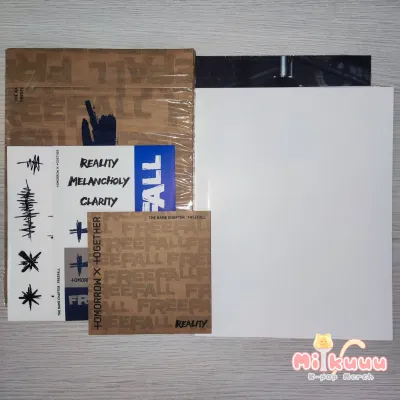
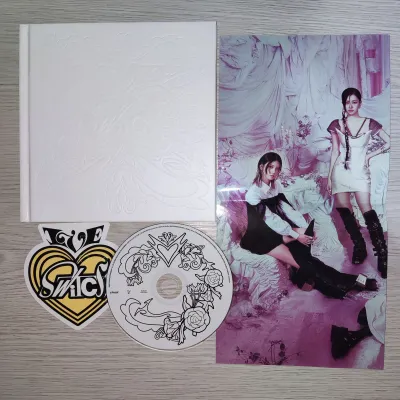
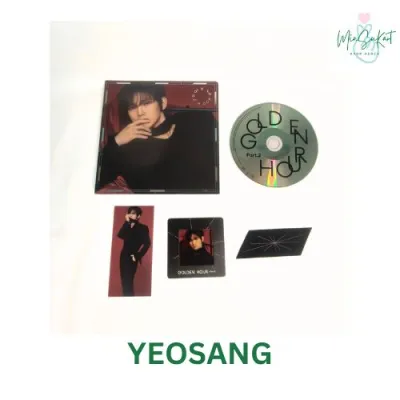
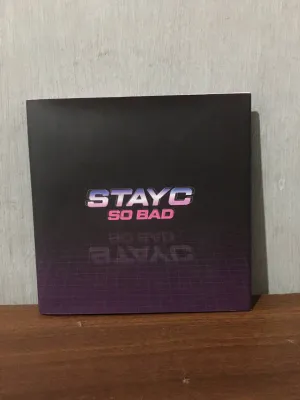
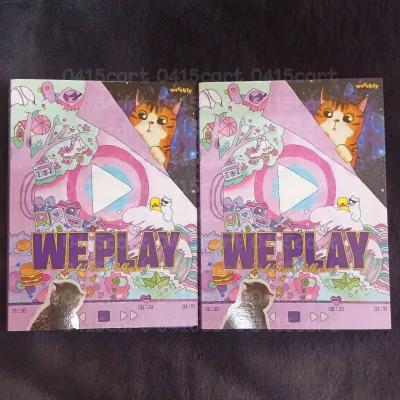
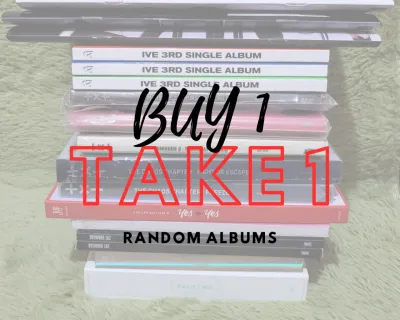
Prices are valid at publication and may change. Please refer to the product page for the latest price.
Sellers use the term “unsealed” to manage your expectations regarding the outer packaging. By explicitly stating that the seal is broken, they protect themselves from complaints about missing shrink wrap while assuring you that the internal components—aside from any explicitly excluded items—remain intact. This distinction is crucial because it allows you to acquire physical music and photobooks at a fraction of their original cost, often saving hundreds of pesos (₱) per purchase.
Standard Inclusions You Should Expect in an Unsealed Album
A common misconception is that an unsealed album is automatically a stripped or empty shell. In reality, the baseline rule of the secondary market is that an unsealed album should still contain all original factory inclusions unless the seller’s listing explicitly states otherwise. You should never assume that an album is incomplete simply because the plastic wrap is gone; a reputable seller will clearly list any missing components.

Before committing to a purchase, you must verify the exact edition, language, medium, and content completeness of the album. Never infer the contents of an album simply from its cover art or title, as K-pop releases often feature multiple versions with entirely different photobooks, poster designs, and card pools. To establish a reliable checklist, cross-reference the official album preview or tracklist released by the artist’s entertainment agency or official global store. These previews provide a visual guide to every single item that should be housed inside the packaging.
Photocards, Posters, and Paper Goods
Paper-based collectibles are often the primary reason collectors buy physical music, making them the most critical items to verify in any unsealed listing. A standard K-pop album typically includes one or more member photocards, a lyric booklet, postcard sets, and sometimes mini-posters or ID cards. Because these items are highly collectible and easily traded, they are also the most likely components to be missing from an unsealed album.
When browsing listings, pay close attention to pre-order benefits (POBs) and retailer-exclusive photocards. These limited-edition items are only distributed during the initial release period and are often sourced from specific global music stores. Depending on how the seller originally acquired the album, these exclusive paper goods may or may not be included. Always ask the seller to clarify whether these specific extras are part of the package, as their presence can significantly alter the overall value of your purchase.
Physical Extras and Packaging Elements
Beyond paper goods, many K-pop releases feature unique physical extras that complete the tactile experience of owning the album. These can include sticker sheets, custom toploaders, lenticular cards, pin badges, or even specialized packaging elements like digipaks, outer box sleeves, and magnetic closures. Each of these items contributes to the aesthetic and structural value of the release, and their absence should be reflected in a lower asking price.
Additionally, you must verify the condition and compatibility of the physical media itself. Ensure the CD, DVD, or Blu-ray disc is securely housed in its original inner sleeve or plastic tray. The disc should be completely free of scratches, smudges, or dust that could interfere with playback. If you are purchasing a specialized media format, such as a platform album or a smart music card, verify that the digital access codes or near-field communication (NFC) chips have not been previously registered or expired, as this could prevent you from accessing the music.
Red Flags: Missing Items and Condition Issues to Avoid
While the secondary market offers excellent deals, it also requires vigilance to avoid deceptive listings. A major red flag is a seller using the term “unsealed” as a cover for a “stripped” album. In these cases, the seller has removed all high-value photocards and limited-edition extras, sometimes replacing them with cheap, unofficial replica cards (often called lomo cards) to make the album appear complete. Always read the description carefully to ensure all included items are official merchandise.
Be wary of listings that employ vague language or lack visual transparency. Phrases like “random inclusions,” “what you see is what you get,” or “sold as-is” without a detailed breakdown are common tactics used to gloss over missing items. If a listing only features stock photos or a single image of the album’s outer cover, do not hesitate to ask for more information. A legitimate seller who has nothing to hide will gladly provide clear photos of the actual items you will receive.
Physical condition is another critical factor, especially in tropical climates where high humidity can cause rapid deterioration. Inspect listing photos closely for signs of moisture damage, such as wavy or warped photobook pages, water stains, mold spots, or rusted staples in the binding. Other physical red flags include heavily creased lyric booklets, torn outer sleeves, missing inner plastic protectors, or crushed corners on box sets. These issues suggest poor storage conditions and indicate that the internal contents may be compromised.
Step-by-Step Guide to Buying Unsealed Albums Safely
Navigating online marketplaces requires a systematic approach to ensure you receive exactly what you pay for. By following a structured verification process, you can minimize the risks associated with buying opened music merchandise.
- Step 1: Request detailed, well-lit photos. Ask the seller to provide clear photos of every single inclusion laid out together on a neutral background. Request close-up shots of both the front and back of the photocards. This allows you to inspect the edges for rough cuts, check for official print marks, and verify that the cards are free of surface scratches or pressure marks from the album's internal packaging.
- Step 2: Ask direct, specific questions. Send a message to the seller to confirm the exact state of the album. Use precise questions such as, "Are all official photocards shown in the photo included in this price?" or "Are there any missing pages, tears, or humidity damage in the photobook?" Having these answers in writing provides crucial evidence if a dispute arises later.
- Step 3: Review the platform's return policy. Before finalizing your purchase, familiarize yourself with the e-commerce platform's buyer protection policies. Ensure the platform allows returns or refunds for items that are significantly not as described, damaged during transit, or missing promised components.
- Step 4: Use secure payment methods. Always complete your transaction using the official payment gateways provided by the online marketplace. Avoid sellers who pressure you to make direct bank transfers, use external digital wallets, or complete the transaction off-platform. Off-platform transactions void all buyer protections, leaving you with no recourse if the seller sends an incomplete or damaged album.
How to Verify Your Album Upon Delivery
The verification process does not end when the courier hands you the package. To protect your investment, you must document the arrival and inspection of your album carefully.
Before you open the shipping box, set up your smartphone to record a continuous, unedited unboxing video. Start the video by showing the shipping label clearly, ensuring the tracking number and seller details are legible. Keep the package within the camera frame at all times as you cut the tape, open the box, and remove the album. Film the inspection of every single inclusion, turning over photocards and flipping through the photobook pages in a single, uninterrupted take. This video serves as your primary, indisputable evidence if you need to file a claim for missing or damaged items.
Once the video is recorded, cross-check the received items against the official inclusion list and the specific photos the seller provided before shipping. Inspect the paper goods under a bright, direct light to check for hidden creases, tears, or warping caused by humidity during transit. Finally, play the CD or DVD in a compatible player to ensure there are no tracking or playback errors, confirming that your unsealed album is fully functional and complete.
Frequently Asked Questions (FAQ)
Does an unsealed album hold any collector value?
Yes, an unsealed album still holds significant collector value, provided it is complete and kept in mint condition. While a factory-sealed album commands a premium because it guarantees untouched contents, an unsealed album that retains all its original photocards, posters, and extras is highly sought after. It allows collectors to acquire specific member versions or complete sets without the financial risk of blind-buying sealed copies.
Can I return an unsealed album if a promised photocard is missing?
Yes, you can generally return an unsealed album or request a refund through your e-commerce platform if a promised photocard is missing. To secure a successful dispute resolution, you must provide a continuous, unedited unboxing video showing the package being opened and the contents being inspected. This video serves as proof that the item was missing upon arrival and was not lost after delivery.

Community discussion
Share your experience or ask a question. Comments are reviewed before publication.