
Starting your musical journey with an acoustic guitar is an exciting step, but navigating the entry-level market can feel overwhelming. With a budget of ₱5,000, you are positioned in a highly competitive segment of the Philippine music market. At this price point, the temptation to buy a flashy, branded replica can be strong. However, when searching for quality guitars for sale original models from reputable budget brands offer the best foundation for a beginner. An authentic, well-engineered instrument ensures that your early practice sessions are rewarding rather than frustrating.
Choosing a genuine instrument is especially crucial in the Philippines, where the tropical climate and high humidity levels can severely impact poorly constructed wood. A counterfeit or unbranded guitar often lacks the structural integrity to withstand these environmental shifts, leading to warped necks and unplayable string action within months. By focusing on original, entry-level guitars, you secure an instrument designed to maintain its shape, stay in tune, and support your learning process for years to come.
Setting Realistic Expectations for a ₱5,000 Guitar Budget
When working with a ₱5,000 budget, it is essential to understand what “original” means in this tier. You are not looking for high-end, solid-wood instruments from world-famous premium brands, as those typically cost several times this amount. Instead, an original guitar at this price point refers to authentic, entry-level models produced by reputable, budget-conscious manufacturers. These brands focus on structural reliability and playability rather than premium materials or intricate cosmetic details.
Products mentioned in this guide
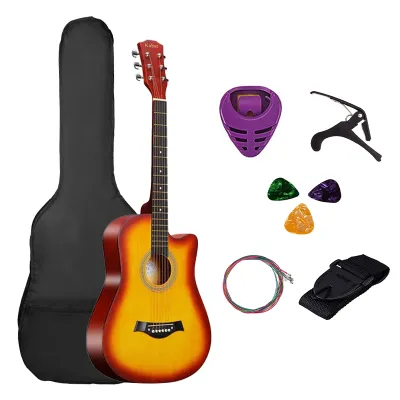
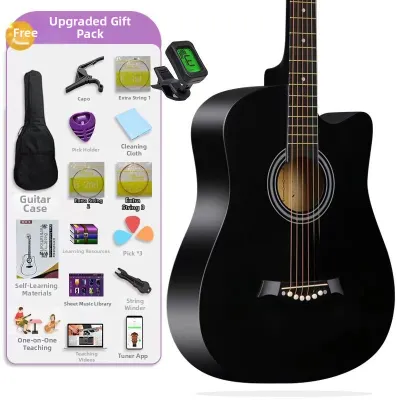
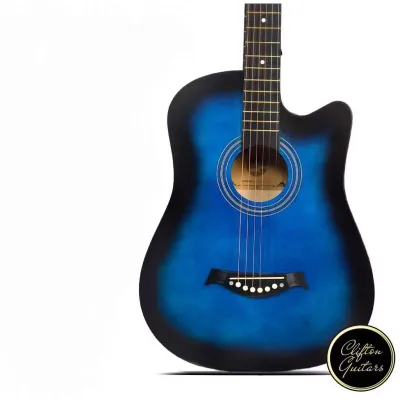
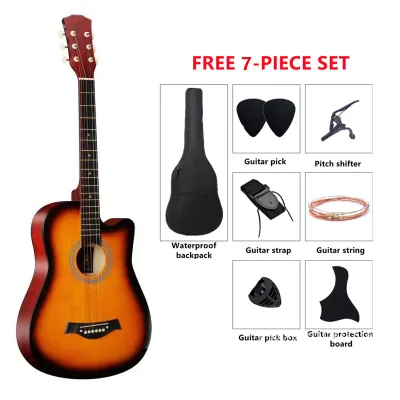
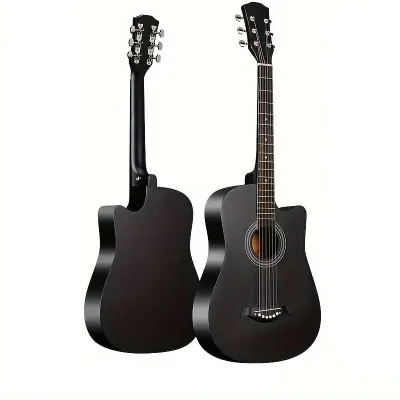
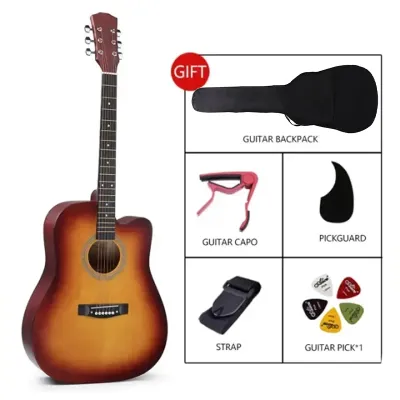
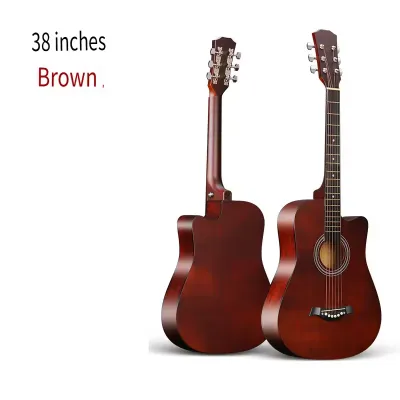
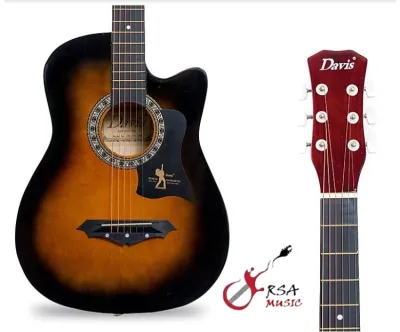
Prices are valid at publication and may change. Please refer to the product page for the latest price.
At this price level, almost all guitars feature laminated wood construction rather than solid tonewoods. While purists often praise solid wood for its rich resonance, high-quality laminate is actually an advantage for beginners in the Philippines. Laminate wood consists of layered veneers pressed together, making it highly resistant to the dramatic humidity fluctuations common in tropical climates. It is far less likely to crack or warp when transitioning from an air-conditioned room to warm, humid outdoor air.
Additionally, you should expect functional, straightforward hardware. The tuning pegs, bridge, and nut will be made of durable, cost-effective materials like plastic or synthetic bone, and basic chrome-plated alloys. The factory-installed strings will get you started, but they are generally basic and may feel stiff to new fingers. Understanding these parameters helps you focus on what truly matters: finding a structurally sound, genuine instrument that is easy and comfortable to play.
Prioritizing Guitars for Sale Original Features Over Aesthetics
When evaluating budget instruments, it is easy to be swayed by eye-catching paint jobs, intricate fretboard inlays, or glossy finishes. However, when browsing guitars for sale original structural integrity and playability must always take priority over visual flair. A beautiful guitar that cannot stay in tune or hurts your fingers to play will quickly end up gathering dust in a corner.

The most critical structural element to inspect is the guitar neck. It must be straight, with a very slight, almost imperceptible forward curve known as neck relief. A warped or bowed neck causes the strings to sit too far from the fretboard, making it incredibly difficult to press down on chords. Conversely, if the neck is too back-bowed, the strings will buzz against the frets when played. Ensure the guitar has an adjustable truss rod—a metal rod running inside the neck—which allows a technician to adjust the neck curvature as the wood reacts to seasonal humidity changes.
String action, or the height of the strings above the fretboard, is another vital factor for beginners. High action requires excessive finger pressure, leading to rapid fatigue and sore fingertips. Look for an instrument with a comfortable, low action out of the box, or one that can be easily adjusted at the saddle and nut. Additionally, check the fret ends along the side of the neck; they should be smooth and flush with the wood, not sharp or protruding, which can scratch your hand as you slide up and down the neck.
Body shape and size also dictate your playing comfort. Large dreadnought guitars offer robust volume and deep bass, but their bulky frames can be uncomfortable for younger players or those with smaller builds. Concert, auditorium, or 3/4-size travel guitars feature narrower waists and shallower bodies, making them much easier to hold and play while sitting down. Prioritize a body shape that feels natural and allows your strumming arm to rest comfortably over the lower bout.
How to Spot Counterfeit and Fake Guitars Online
The convenience of online marketplaces makes finding a guitar easier than ever, but it also exposes buyers to counterfeit products. Fake guitars often mimic the headstock shapes, logos, and aesthetics of high-end brands but are built with substandard materials and poor quality control. To ensure you are purchasing a genuine instrument, you must learn to identify common online red flags.
Be highly skeptical of prices that seem too good to be true. If you see a brand-new guitar bearing the logo of a famous American or Japanese manufacturer priced under ₱5,000, it is guaranteed to be a counterfeit. These premium instruments cost tens of thousands of pesos; any listing offering them at budget prices is selling a fake. Another red flag is the use of blurry, low-resolution photos or generic stock images stolen from official brand websites. Legitimate sellers typically provide clear, high-resolution photos of the actual instrument from multiple angles, including close-ups of the headstock, bridge, and interior label.
Avoid unbranded guitars labeled as “OEM” (Original Equipment Manufacturer) or “custom shop replica.” In the guitar world, these terms are frequently used to bypass trademark laws while selling counterfeit goods. Authentic budget brands are proud of their names and will clearly display their own logos on the headstock and on a paper label glued inside the soundhole. This interior label should list the specific model number, which you can easily cross-reference on the manufacturer’s official website.
When shopping on major e-commerce platforms, always verify the seller’s credentials. Look for official brand flagship stores or authorized dealer badges. Check the store’s overall rating and read through customer reviews carefully. Focus on reviews that include user-submitted photos and videos of the unboxed product. Look for specific feedback regarding the packaging quality, build construction, and whether the instrument arrived in good condition. A reputable seller will have a history of positive transactions and responsive customer service.
Navigating Hidden Costs and Accessory Bundles
When shopping with a strict ₱5,000 budget, the sticker price of the guitar is only one part of the financial equation. Many online listings offer tempting bundle deals that include accessories like gig bags, straps, capos, picks, and clip-on tuners. While these packages can seem like an incredible value, it is important to analyze the quality of the included items before making a decision.
Often, the accessories included in ultra-cheap bundles are of very low quality. A flimsy, unpadded gig bag offers virtually no protection against accidental drops or bumps, and a cheap plastic capo may apply uneven pressure, causing your guitar to go out of tune. If a bundled package costs significantly more than the standalone guitar, calculate the cost of buying higher-quality accessories separately. Sometimes, purchasing a bare, well-made guitar and adding a decent padded gig bag and a reliable clip-on tuner individually is the smarter, more cost-effective choice.
Do not forget to account for shipping fees, which can vary widely depending on your location in the Philippines. Guitars are bulky, fragile items that require large, protective packaging. Shipping a guitar from a warehouse in Metro Manila to provinces in Visayas or Mindanao can add a substantial amount to your total checkout price. Always check the estimated shipping cost before finalizing your order to ensure it does not push you over your ₱5,000 limit.
Finally, budget for potential setup and maintenance costs. Most budget guitars are shipped straight from the factory and may require a basic setup to play their best. Taking your new instrument to a local guitar shop for a professional setup—where a technician adjusts the truss rod, files the nut slots, and lowers the saddle—can cost a few hundred pesos but will dramatically improve playability. Additionally, factory strings are often dull or corroded from storage and shipping; spending a small amount on a fresh set of high-quality strings will instantly elevate the instrument’s tone and feel.
Where to Safely Buy Authentic Guitars in the Philippines
To minimize the risk of receiving a damaged, counterfeit, or poorly stored instrument, you must choose your purchasing channel carefully. Both online platforms and physical retail stores offer distinct advantages, depending on your location and personal preferences.
Physical music stores and established local retailers remain the safest option for beginners. Visiting a brick-and-mortar shop allows you to hold the guitar, feel the neck profile, and listen to its tone before spending any money. You can inspect the instrument for shipping damage, check the neck relief in person, and ensure there are no sharp fret ends. Furthermore, physical stores often provide immediate after-sales support, basic setup services, and warranty assistance, giving you peace of mind as a new player.
If you live in an area without easy access to specialty music shops, official online stores are an excellent alternative. Many established Philippine music distributors and international brands operate official flagship stores on major e-commerce platforms. Buying from these verified storefronts guarantees authenticity and ensures the product is sourced directly from authorized distributors. When ordering online, look for stores that offer robust return policies and use secure, fragile-item shipping methods to protect your purchase during transit.
The second-hand market is another viable pathway to finding a high-quality instrument within a ₱5,000 budget. You can often find used, mid-tier authentic guitars from reputable brands at a fraction of their original retail price. However, buying used requires a high level of caution. If you choose this route, always arrange to meet the seller in person in a safe, public space. Inspect the guitar thoroughly for structural issues such as a lifting bridge, cracks in the body, or a warped neck. If you are unsure of what to look for, consider bringing an experienced guitar-playing friend along to help you evaluate the instrument’s condition.
Frequently Asked Questions (FAQ)
Is a ₱5,000 guitar good enough to learn on?
Yes, an authentic, properly set-up entry-level guitar under ₱5,000 is perfectly adequate for learning the basics. At this stage, your primary focus should be on building finger strength, mastering basic chord shapes, and practicing strumming patterns. A genuine budget guitar with comfortable action and stable tuning will easily support your progress through these foundational stages, allowing you to develop your skills before upgrading to a premium instrument.
Should I buy an acoustic or classical guitar as a beginner?
The choice depends on your musical preferences and physical comfort. Classical guitars use nylon strings, which are gentler on beginner fingertips and are housed on a wider neck, making them ideal for classical, Spanish, or fingerstyle music. Acoustic guitars use steel strings, which offer a brighter, louder projection suited for pop, folk, and rock strumming, though they require more initial finger strength. Choose the style that matches the genre of music you are most excited to play.
Community discussion
Share your experience or ask a question. Comments are reviewed before publication.