
Finding a reliable electric guitar under ₱15,000 in the Philippines is entirely feasible, but it requires a clear understanding of what this budget actually buys. At this price point, you are looking at the entry-level tier of major global brands or mid-tier offerings from local and regional manufacturers. While these instruments are highly capable of guiding you through your beginner and intermediate years, they come with specific trade-offs in hardware, wood selection, and factory quality control. Knowing how to navigate these trade-offs ensures you invest your hard-earned pesos in an instrument that inspires you to practice rather than one that sits in a corner gathering dust.
Setting Realistic Expectations for the ₱15,000 Budget
Mass-produced entry-level models are the norm in this price bracket. Brands utilize automated manufacturing to keep production costs low, which allows them to offer structurally sound instruments at highly accessible prices. This means you get consistent structural integrity, but fine details like fret polishing, nut slotting, or hardware plating might be rushed during assembly.
Alternatively, the second-hand market in the Philippines is highly active and presents an appealing alternative. For ₱15,000, you can often find mid-tier guitars that originally retailed for much more, offering upgraded components and better craftsmanship. However, buying used requires a keen eye for wear and tear, especially under local tropical conditions that can affect wood stability over time.
Products mentioned in this guide
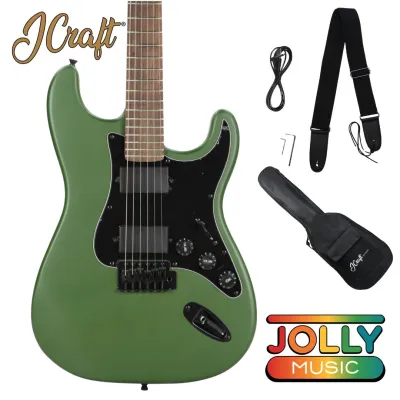
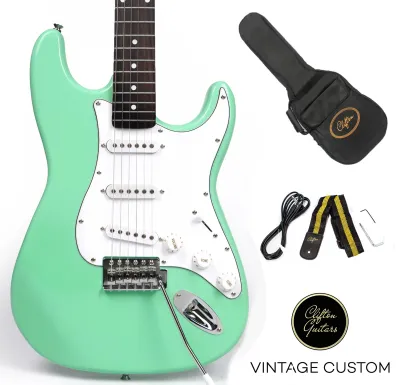
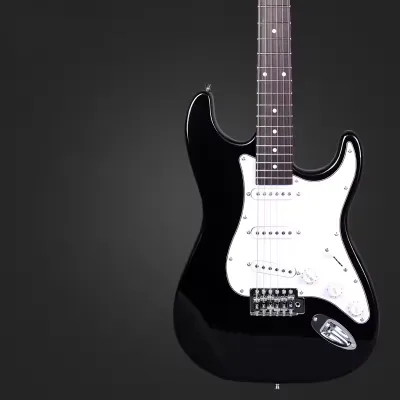
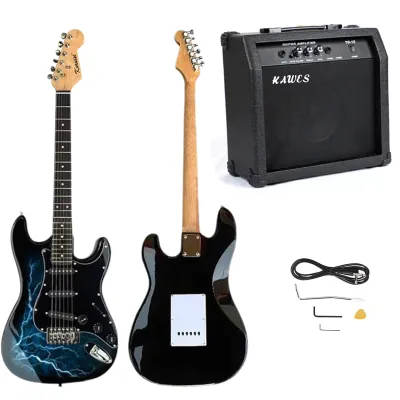
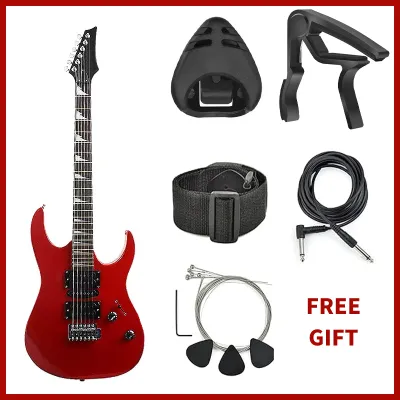
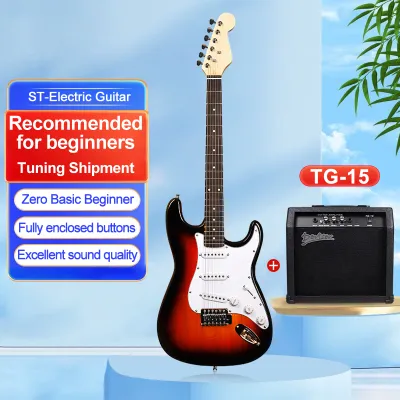
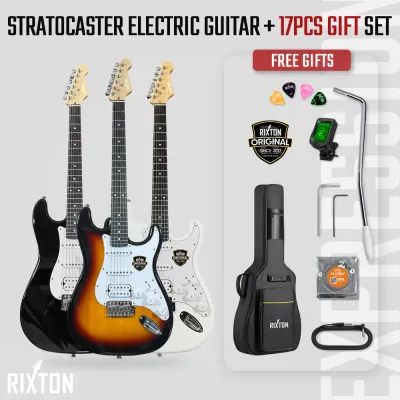
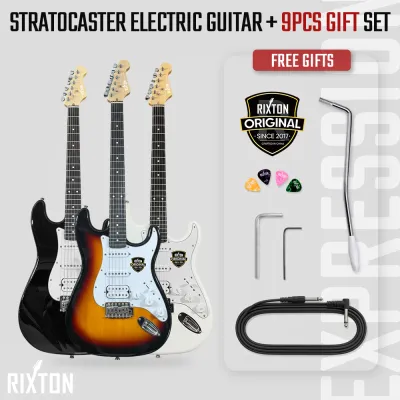
Prices are valid at publication and may change. Please refer to the product page for the latest price.
Tonewoods at this tier are typically lightweight and cost-effective, such as poplar, basswood, or mahogany-style laminates. These woods are stable and resonant enough for practice, though they may be softer and more prone to minor dings than premium hardwoods. They provide a solid foundation without unnecessarily inflating the retail price.
Pickup configurations usually feature basic ceramic magnets in Single-Coil or Humbucker formats. While they provide a solid foundation for learning, they may lack the dynamic range, clarity, or low-noise performance of premium pickups. They are, however, perfectly adequate for home practice and learning the basics of tone shaping.
Crucially, expect that any guitar in this price range—whether bought brand new from a mall or ordered online—will likely need a setup. Factory setups are designed to be safe and average, meaning the string height might be higher than ideal, or the intonation might need fine-tuning to play in tune across the entire fretboard. Budgeting for minor adjustments is a normal part of buying an entry-level instrument.
Core Specifications to Prioritize at This Price Point
When evaluating a budget electric guitar, physical comfort should always take precedence over aesthetics. The neck profile is your primary point of contact; look for a comfortable “C” or “U” shape that fits your hand size comfortably. A neck that feels too thick or too thin can cause hand fatigue and hinder your progress.

Fretboard materials at this price point have shifted away from traditional rosewood due to environmental regulations. Instead, you will commonly encounter maple, laurel, or purpleheart. Ensure the fretboard feels smooth and is free from dry patches or cracks, which can be exacerbated by the high humidity of the Philippine climate.
Pay close attention to the fret edges along the side of the neck. Run your hand up and down the sides; if you feel sharp metal edges sticking out, the frets have not been properly finished. While a technician can file these down, a guitar with smooth fret edges out of the box indicates better overall quality control from the factory.
The bridge design is another critical decision that affects your daily playing experience. For beginners, a fixed bridge, often called a hardtail, is highly recommended. Fixed bridges offer superior tuning stability, make string changes straightforward, and are much easier to maintain over time.
In contrast, cheap tremolo systems found on budget guitars often cause tuning instability because the springs and zinc alloy blocks struggle to return to zero position consistently. Unless you are fully committed to learning how to balance and maintain a tremolo system, a fixed bridge will save you significant frustration.
Your choice of pickups should align with your musical goals. Single-coil pickups offer bright, clear, and articulate tones perfect for clean pop, funk, and classic rock, though they are prone to a 60-cycle hum. Humbuckers cancel this hum and deliver a thicker, warmer, and higher-output sound ideal for high-gain rock, metal, and jazz. An HSS (Humbucker-Single-Single) configuration offers the most versatile middle ground for beginners.
Hidden Costs and Essential Accessories
Buying the guitar is only the first step; an electric guitar cannot produce its signature sound without amplification. If your budget is strictly capped at ₱15,000, you must decide whether to allocate the entire sum to the guitar or split it to include essential accessories. A standalone guitar is useless without a way to hear it.
A basic practice amplifier is mandatory for any electric guitar player. Look for small solid-state or digital modeling amps that offer headphone jacks, which are crucial for quiet practice in compact households. These small amps provide a variety of tones without taking up too much space.
Other non-negotiable accessories include a high-quality instrument cable to prevent signal hum, a guitar strap, a digital clip-on tuner, a gig bag for protection against dust and humidity, and a selection of picks of varying thicknesses. These small items can add up quickly if purchased individually.
Do not overlook the cost of a professional setup. Budgeting a small amount for a local luthier or guitar technician to adjust the truss rod, file the nut slots, set the action, and correct the intonation is highly recommended. This minor investment can transform a stiff, hard-to-play budget guitar into an instrument that feels like a premium model.
When deciding between a guitar-only purchase and a starter bundle, weigh convenience against quality. Bundles offer excellent value and contain everything you need to start playing immediately, but the individual components, especially the amplifier and cable, are often of lower quality. Purchasing a standalone guitar and sourcing a slightly better practice amp separately often yields a more satisfying long-term experience.
How to Inspect and Test Before You Buy
If you are purchasing from a physical store, performing a thorough hands-on inspection is vital. Start by checking the neck straightness. Sight down the neck from the headstock to the body; it should be relatively straight with a very slight forward bow, which prevents the strings from buzzing against the frets.
Test the string action height across the entire fretboard. Press down on the first and twelfth frets; the strings should sit close to the frets without buzzing excessively when plucked. Play every single note on every string up and down the fretboard to check for dead spots or uneven frets.
Check the intonation by tuning the guitar, playing an open string, and then playing the fretted note at the twelfth fret. If the fretted note is significantly sharp or flat compared to the open note, the bridge saddles need adjustment to ensure the guitar plays in tune with itself.
Plug the guitar into an amplifier to test the electronics thoroughly. Turn all the volume and tone knobs slowly; listen for any crackling or scratching sounds, which indicate dirty or cheap potentiometers. Toggle the pickup selector switch back and forth to ensure it transitions smoothly without cutting out the signal.
Gently wiggle the output jack and the pickup selector while the guitar is plugged in. If they feel loose or cause the signal to cut out, they may require tightening or resoldering down the line, which is a common issue on budget instruments.
Finally, inspect the hardware components. Turn each tuning machine to ensure they rotate smoothly without slipping, catching, or feeling excessively loose. Check the nut to ensure the strings sit securely in their slots without binding, which can cause tuning issues when bending strings.
Red Flags and Quality Traps to Avoid
When shopping in the budget tier, certain structural defects are immediate dealbreakers. Avoid any guitar with a warped or twisted neck, as this cannot be easily corrected with a standard truss rod adjustment and often requires costly professional repairs that exceed the value of the instrument.
Inspect the neck joint where the neck meets the body for hairline cracks in the wood or finish. While finish cracks are sometimes cosmetic, deep structural cracks can compromise the guitar’s stability, tuning, and sustain, making it unsafe to play over time.
Be highly cautious of unbranded, counterfeit, or replica guitars sold on online marketplaces. These instruments often look appealing because they mimic famous high-end designs, but they completely lack quality control, use substandard metals that rust quickly in tropical humidity, and offer no warranty support.
When buying online, always verify the seller’s reputation and customer feedback. Look for authorized dealers or highly rated local music stores. Check their return policies and warranty terms carefully; a reputable seller should offer at least a basic warranty against manufacturing defects and a clear return window if the guitar arrives damaged.
Frequently Asked Questions (FAQ)
Is an electric guitar under ₱15,000 good enough for live gigging?
Yes, a guitar in this price range can absolutely be used for live performances, provided it has been properly set up by a professional. Tuning stability is the most critical factor on stage, so ensuring your tuning machines are reliable and your nut is properly cut is essential. Furthermore, your live tone is heavily influenced by your amplifier, effects pedals, and the venue’s sound system. A budget guitar plugged into a high-quality amplifier or a reliable digital multi-effects pedal will sound excellent to the average audience member.
Should I buy a new or used electric guitar in this price range?
Buying new is the safest route for beginners, as it comes with a manufacturer’s warranty, a return policy, and the assurance that the instrument has not been modified or damaged by a previous owner. However, if you have an experienced guitarist friend who can help you inspect the instrument, buying used can stretch your ₱15,000 budget significantly. A used mid-tier guitar may feature better tonewoods, upgraded pickups, and superior hardware, but you must carefully check for hidden issues like worn-out frets, warped necks, or faulty electronics that could cost more to repair than the guitar is worth.
Community discussion
Share your experience or ask a question. Comments are reviewed before publication.