
Building a personal digital spiritual library offers a convenient, portable way to deepen your spiritual life, especially when balancing a busy schedule in the Philippines, where daily commutes or sudden tropical downpours might otherwise damage physical pages. When searching for a foundational “my catholic faith book” in digital format, the goal is to establish a structured collection that supports daily prayer, theological study, and spiritual growth. Transitioning to digital reading allows you to carry an entire library of sacred texts, papal encyclicals, and writings of the saints on a single smartphone, tablet, or e-reader. However, building a reliable digital library requires more than just downloading the first search results. It involves identifying essential reading categories, selecting compatible and reliable platforms, and verifying the doctrinal authenticity of digital editions to ensure your reading material aligns with the teachings of the Church.
Core Categories for a Foundational Catholic eBook Collection
To build a well-rounded and orthodox digital library, it is helpful to categorize your collection into distinct areas of study and devotion. This ensures that your reading supports both intellectual understanding and spiritual growth, allowing you to systematically explore different aspects of the faith.
Scripture and Approved Commentaries
The cornerstone of any spiritual library is Sacred Scripture. When selecting a digital Bible, look for translations approved for liturgical use or study, such as the Revised Standard Version Catholic Edition (RSV-CE) or other approved translations. A digital format is particularly beneficial for Scripture study because it allows you to quickly search for specific verses, highlight key passages, and jump between cross-references. In addition to the biblical text, incorporating approved commentaries helps clarify historical contexts and theological nuances. Digital commentaries can be kept open alongside the scripture text on split-screen tablets, making your daily reflection or lectio divina more interactive and profound. Furthermore, ensure that any digital Bible you download includes the deuterocanonical books, as some generic digital Bible files omit these essential texts.
Products mentioned in this guide





Prices are valid at publication and may change. Please refer to the product page for the latest price.
The Catechism and Foundational Theology
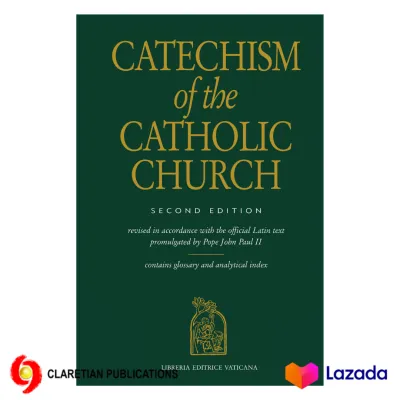
To understand the core doctrines and moral teachings of the Church, a digital copy of the Catechism of the Catholic Church is indispensable. This text serves as a comprehensive guide to what Catholics believe, how they worship, and how they ought to live. Having the Catechism in an eBook format allows you to use search functions to instantly look up specific topics, from the sacraments to social teachings. For a more accessible entry point, you might also add the Compendium of the Catechism, which uses a concise question-and-answer format that is highly readable on smaller mobile screens. Alongside the Catechism, foundational theological documents, such as papal encyclicals and conciliar documents, provide valuable insights into contemporary applications of Church teaching. These documents are often available directly from official Church portals in digital formats, making them easy to add to your personal collection.
Spiritual Classics, Devotionals, and Writings of the Saints
For personal growth and ascetical guidance, the writings of the saints and spiritual classics are unmatched. Works such as “The Imitation of Christ” by Thomas à Kempis, “Introduction to the Devout Life” by Saint Francis de Sales, or the autobiography of Saint Thérèse of Lisieux offer timeless wisdom for navigating daily challenges. Digital devotionals, including prayer books and guides for examinations of conscience, are highly practical for daily use. Carrying these texts on your mobile device ensures that you can easily access a source of spiritual reflection during a quiet moment in a chapel, during a lunch break, or while waiting out a heavy afternoon rainstorm. Many readers also find it helpful to download digital prayer books that align with the liturgical calendar, helping to keep their daily devotions synchronized with the universal Church.
Apologetics and Church History
Deepening your historical context and equipping yourself to explain the faith to others requires a solid foundation in apologetics and Church history. Apologetics eBooks help answer common questions about Catholic practices, Marian doctrines, and the authority of the Church. Meanwhile, historical texts provide a clear view of how the Church has navigated different eras, councils, and cultural shifts. Having these resources readily available in your digital library allows you to quickly reference historical facts or theological explanations when engaging in discussions with friends, family, or parish study groups. This immediate access is particularly useful when you need to provide a clear, charity-driven explanation of Catholic teachings during spontaneous conversations.
Choosing the Right eBook Formats and Reading Platforms
Selecting the right digital formats and platforms is crucial for ensuring a seamless reading experience across your devices. The technical aspects of digital books can affect how easily you can read, search, and preserve your library.

Comparing ePub and PDF Formats
When acquiring Catholic eBooks, you will primarily encounter two file formats: ePub and PDF. The ePub format is reflowable, meaning the text automatically adjusts to fit your screen size, allowing you to change font sizes, margins, and background colors. This is ideal for standard reading on smartphones or dedicated e-readers, especially when using dark mode to reduce eye strain during evening reflections. On the other hand, PDF files maintain a fixed layout, preserving the exact page design of the printed book. While PDFs are excellent for theological texts with complex footnotes, parallel columns, or intricate formatting, they can be difficult to read on smaller screens, requiring constant zooming and panning. For most spiritual reading, a reflowable ePub is the more comfortable and versatile choice.
Evaluating Digital Libraries and Apps
You can source your digital books from dedicated Catholic digital libraries and applications or from general online bookstores and mainstream e-readers. Dedicated Catholic platforms often curate orthodox content, making it easier to find reliable translations and spiritual guides. However, mainstream e-reader platforms offer robust ecosystems with advanced syncing capabilities and wide device compatibility. While physical books imported to the Philippines can sometimes incur high shipping fees and cost hundreds of pesos, digital editions often allow you to build a comprehensive library for a fraction of the cost, saving your hard-earned ₱ for other household needs. When choosing a platform, consider whether you prefer a single, unified library on a major e-reading app or if you are comfortable managing multiple specialized apps.
Device Compatibility and Offline Access
A key advantage of a digital spiritual library is the ability to read on the go, even without an active internet connection. Before purchasing an eBook, verify its device compatibility and whether the platform allows offline access. In areas with intermittent internet connectivity, having your books fully downloaded to your device ensures that your prayer and study time remains uninterrupted. Additionally, look for platforms that offer cross-device syncing, which automatically saves your reading progress, highlights, and notes across your phone, tablet, and computer, allowing you to pick up exactly where you left off.
Verifying Authenticity and Doctrinal Approval in Digital Editions
Because digital publishing makes it easy for anyone to upload and distribute texts, verifying the authenticity and doctrinal approval of your eBooks is essential for protecting your spiritual formation from errors or unauthorized alterations.
Locating the Imprimatur and Nihil Obstat
For works concerning Catholic doctrine, scripture, or liturgy, look for official ecclesiastical approvals in the digital front matter or copyright page. The Nihil Obstat (meaning “nothing stands in the way”) indicates that a diocesan censor has reviewed the work and found no doctrinal or moral errors. The Imprimatur (meaning “let it be printed”) is the official declaration by a bishop authorizing the publication. When purchasing a digital “my catholic faith book” or theological guide, scroll past the cover to the copyright page to verify these declarations are present, as they provide assurance that the content aligns with the teachings of the Church. For older spiritual classics, ensure the digital edition lists the original printed edition’s ecclesiastical approvals.
Risks of Unverified Digital Sources
Downloading free or cheap eBooks from unauthorized third-party sellers or unvetted public domain websites carries significant risks. Some digital editions of classic texts may be poorly scanned, resulting in missing chapters, garbled footnotes, or severe typographical errors that distort the author’s meaning. More critically, some unauthorized editions may contain unapproved theological commentary, modern alterations, or omissions designed to change the text’s original intent. To avoid these issues, avoid downloading files from unverified file-sharing platforms or obscure online marketplaces, and instead rely on established publishers.
Relying on Reputable Publishers and Portals
To ensure the integrity of your digital library, purchase or download your eBooks from recognized Catholic publishers, official diocesan portals, or established religious orders. Reputable publishers employ professional editors and theologians to verify translations and maintain high formatting standards. Official Church websites, such as the Vatican portal or local episcopal conference sites, often provide free, authorized digital access to encyclicals, catechisms, and liturgical texts. By sourcing your books from these trusted entities, you support the work of Catholic writers and publishers while ensuring your own spiritual reading is doctrinally sound.
Organizing and Maintaining Your Digital Spiritual Library
Once you have begun acquiring digital books, establishing an organized system will help you integrate spiritual reading into your daily life and preserve your collection for years to come.
Using Metadata and Custom Collections
Most e-reading applications allow you to organize your books using custom collections, tags, or folders. Instead of keeping all your books in a single, unsorted list, categorize them by theme, author, or liturgical season. For example, you can create a collection for “Lent and Advent” containing seasonal devotionals, a folder for “Scripture Study” with your Bibles and commentaries, and a section for “Saints’ Writings.” This structured approach makes it easy to find the right book for your current spiritual needs or study goals without scrolling through dozens of unrelated titles.
Integrating Digital Reading with Daily Routines
To make the most of your digital library, integrate your reading into your daily schedule and physical prayer spaces. You might set aside fifteen minutes in the morning for digital spiritual reading in your home’s prayer corner, or use your commute to read a chapter of a spiritual classic. If you participate in a parish study group or a digital faith-sharing community, you can easily share highlighted passages or notes with others via email or messaging apps. The portability of digital books makes it easier to build a consistent habit of spiritual reading, turning idle moments throughout the day into opportunities for reflection.
Managing Backups and Digital Rights
Protecting your investment in digital books requires basic digital maintenance. Be aware of the Digital Rights Management (DRM) policies of the platforms you use, as some files may be locked to specific devices or applications. To ensure long-term preservation, regularly back up your DRM-free files to secure cloud storage or an external hard drive. If you purchase books through major digital storefronts, ensure your account credentials are secure and that you understand the platform’s terms regarding long-term access. Taking these steps ensures that your digital spiritual library remains accessible and intact for your personal use over many years.
Frequently Asked Questions (FAQ)
Are free public domain Catholic eBooks reliable?
Free public domain Catholic eBooks can be reliable, but they require careful verification. Many classic spiritual works written centuries ago are no longer subject to copyright, allowing legitimate organizations to digitize and distribute them for free. However, you must distinguish between verified digital archives—such as those run by universities, established religious orders, or recognized Catholic apostolates—and unvetted user uploads on general file-sharing sites. Unvetted files may suffer from poor formatting, missing pages, or outdated translations that are difficult to read. Always check the digital front matter for the original publication details, translation credits, and ecclesiastical approvals before relying on a free edition for your spiritual study.
Can I share my purchased Catholic eBooks with my family?
Sharing purchased Catholic eBooks with your family depends on the digital rights management (DRM) policies and licensing terms of the platform where you bought them. Most mainstream digital bookstores offer family sharing features that allow you to share eligible purchases with a limited number of linked household accounts without sharing your personal login credentials. However, standard digital purchases are typically sold under a single-user license, meaning copying the file to distribute to friends or non-household members violates copyright laws and ethical guidelines. To share books legally and ethically, utilize the official family sharing settings provided by your e-reader platform, or look for DRM-free editions from publishers that explicitly permit personal sharing within a household.
Community discussion
Share your experience or ask a question. Comments are reviewed before publication.