
The rise of Pinoy Pop, or P-Pop, has transformed the music landscape, turning local talent into global sensations. For dedicated fans of groups like SB19 and BINI, supporting their favorite artists goes far beyond streaming tracks on digital platforms. Physical music formats, particularly vinyl records, have emerged as the ultimate collector’s items. These large-format analog releases offer a tactile connection to the music, featuring expansive artwork, exclusive inserts, and a distinct listening experience that digital files simply cannot replicate.
However, building a valuable P-Pop vinyl collection requires more than just buying every release you encounter. With limited pressing runs, various color variants, and a growing secondary market, collectors must learn how to evaluate the true value and authenticity of these records. Understanding what makes a specific pressing collectible—such as its production run, packaging quality, and exclusive inclusions—is essential for making informed purchasing decisions. Whether you are spending ₱2,000 on a standard release or investing in a rare, out-of-print variant, navigating the vinyl market requires a keen eye for detail and a solid understanding of physical media preservation.
Understanding Collectible Value in P-Pop Vinyl Records
To build a meaningful collection, you must first understand the factors that drive the value of vinyl records. In the vinyl industry, not all pressings are created equal. The most significant factor influencing a record’s long-term value is its pressing status. First pressings—the very first batch of records manufactured from the master plates—are highly coveted by collectors. These initial runs often feature the highest audio fidelity because the stampers used in the pressing plant are fresh and unworn. In contrast, standard reissues or later pressings, while more accessible, generally do not command the same premium on the secondary market unless they introduce unique features.
Products mentioned in this guide

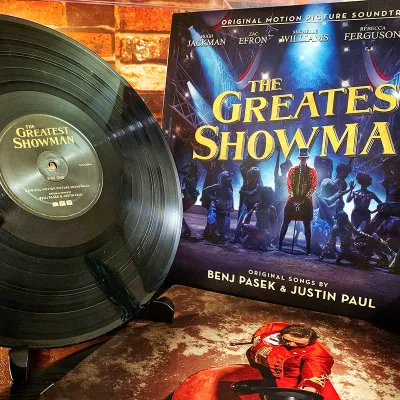

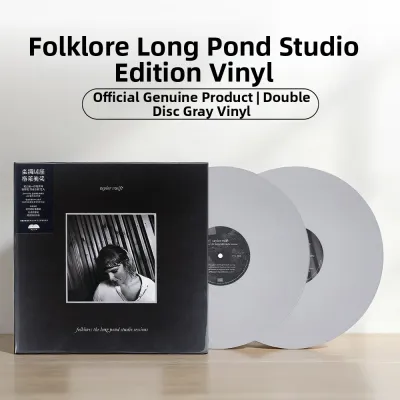
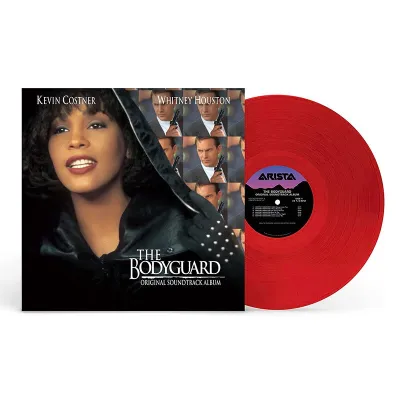

Prices are valid at publication and may change. Please refer to the product page for the latest price.
Visual variants also play a major role in collectibility. Vinyl records are no longer limited to traditional black wax. Today, labels frequently release colored vinyl, splatter variants (where contrasting colors are splashed across a base color), and picture discs (which feature full-color artwork printed directly onto the playing surface). While colored and splatter vinyl typically offer excellent sound quality comparable to black vinyl, picture discs are manufactured using a different process that involves sandwiching a picture sheet between thin layers of plastic. This manufacturing method can result in higher baseline surface noise, making picture discs more suitable for display than for high-fidelity playback.
Beyond the record itself, the packaging and bundled merchandise heavily influence a release’s collectible appeal. In the P-Pop community, physical albums are celebrated for their rich inclusions. Vinyl releases that come bundled with exclusive photocards, comprehensive lyric booklets, posters, and individually numbered certificates of authenticity are highly prized. These physical extras create a multi-sensory experience and establish a clear distinction between a standard retail release and a true collector’s edition. When these components remain intact and in pristine condition, the overall market value of the record increases substantially.
Identifying High-Value SB19 Vinyl Editions
SB19 has consistently pushed the boundaries of physical merchandise in the P-Pop scene, making their vinyl releases some of the most sought-after items in the region. When evaluating SB19 records for your collection, your primary focus should be on official studio albums and extended plays (EPs) released directly by their management label, 1Z Entertainment. These official pressings are manufactured with strict quality control and represent the authorized physical archive of the group’s musical journey. Checking the spine, back cover, and center labels for official copyright markings and label logos is the first step in verifying a record’s legitimacy.

In addition to standard studio releases, limited-run concert merchandise and exclusive fan meeting variants represent the pinnacle of SB19 collectibility. These records are often pressed in extremely small quantities to coincide with major tours or milestone events. Because they are typically sold exclusively at physical venue booths or through time-limited online pre-orders, their availability drops dramatically once the event concludes. Collectors should keep a close eye on official announcement channels during tour seasons, as these event-exclusive variants rarely receive wider retail distribution.
Another dimension to consider is the existence of region-specific releases or international distribution editions. As SB19 expands their global reach, certain vinyl pressings may be distributed through international partners to cater to overseas fanbases. These editions might feature subtle differences, such as alternative cover art, translated liner notes, or unique color variants tailored to specific markets. Documenting these variations and verifying the country of manufacture can help you identify rare international pressings that carry a unique appeal for global collectors.
Identifying High-Value BINI Vinyl Editions
BINI has captured the hearts of millions with their vibrant concepts and infectious pop tracks, leading to a massive demand for their physical releases. To identify high-value BINI vinyl records, collectors should track the group’s release history starting from their debut projects to their subsequent chart-topping EPs. Each release often comes with distinct packaging variations and variant covers. Collecting different cover designs—such as limited-edition gatefold jackets or alternative photography—is a popular way to add depth and variety to your collection.
Member-specific editions and exclusive online store bundles are another key area of interest for BINI collectors. Some vinyl releases may offer interchangeable cover inserts or exclusive photocard sets dedicated to individual members of the group. These member-specific variants often trigger high demand on secondary markets, as fans seek to collect versions featuring their favorite members. When purchasing these editions, it is crucial to verify that all original member-specific inserts, postcards, and stickers are present, as missing components will significantly reduce the record’s collectible value.
To protect yourself from unauthorized reproductions, always verify the presence of official holographic stickers and specific label markings on the packaging. Official releases under Star Music or authorized distribution partners feature distinct security holograms on the shrink-wrap or the jacket itself. These stickers are difficult to replicate and serve as a reliable indicator of an authentic product. Additionally, cross-referencing the catalog number printed on the spine with official label databases can confirm that the record in your hands is a genuine, authorized pressing.
Sourcing Authentic P-Pop Records and Avoiding Counterfeits
As the demand for P-Pop vinyl grows, so does the risk of encountering counterfeit pressings and unauthorized bootlegs. To safeguard your investment, you should always prioritize purchasing directly from official label webstores and authorized physical music retailers. Buying from official sources not only guarantees that you receive an authentic product but also directly supports the artists and their production teams. Established local record stores with physical storefronts are also excellent options, as they source their inventory directly from authorized distributors.
When official channels sell out, collectors often turn to third-party resellers on online marketplaces and social media groups. Navigating these secondary markets requires a cautious approach. Before making a purchase, thoroughly evaluate the seller’s reputation by checking their ratings, customer reviews, and transaction history. Always request high-resolution, original photos of the actual record, jacket, and inner sleeves rather than relying on stock images. If possible, ask the seller to provide a short video showing the record spinning on a turntable to verify that it plays smoothly without skipping.
Spotting common bootleg indicators is a vital skill for any serious collector. Counterfeit records often suffer from poor manufacturing quality, which is visible upon close inspection. Look for blurry, pixelated, or color-faded cover art, which suggests that the jacket was printed using low-quality scans of the original artwork. Furthermore, every authentic vinyl record has a unique matrix runout number engraved or stamped into the smooth wax near the center label. If this number is missing, illegible, or does not match the official release documentation, the record is highly likely to be an unauthorized bootleg. Additionally, check the physical weight of the record; counterfeit pressings often feel unusually thin and flexible compared to standard commercial releases.
Inspecting and Preserving Your Vinyl Collection
Once you secure an authentic P-Pop vinyl record, proper inspection and preservation are essential to maintain its physical condition and audio quality over time. Upon receiving a new or used record, conduct a thorough visual inspection. Place the record on a flat surface or a turntable platter to check for warping, which can occur during transit or due to improper storage. Inspect the edges of the jacket for seam splits or crushing, and examine the vinyl surface under a bright light for deep scratches, scuffs, or pressing defects that could cause audible pops or skips during playback.
To protect your records from wear and tear, upgrade your storage materials immediately. Standard paper inner sleeves can scratch the delicate vinyl surface every time you slide the record out, and they tend to generate static electricity that attracts dust into the grooves. Replace these with anti-static, archival-quality inner sleeves made of high-density polyethylene or rice paper. For the outer jacket, use thick, clear protective sleeves to prevent ring wear, scuffing, and edge damage caused by friction when sliding the records on and off your shelves.
Preserving vinyl in the tropical climate of the Philippines presents specific environmental challenges. High humidity and elevated temperatures can cause cardboard jackets to warp, grow mold, and stick together, while extreme heat can warp the vinyl records themselves. To prevent this, always store your records vertically on a sturdy shelf; never stack them horizontally, as the uneven pressure will warp the lower records over time. Keep your collection in a cool, dry, and well-ventilated room away from direct sunlight, damp walls, or air conditioning units that produce rapid temperature shifts. Using a dehumidifier or placing silica gel packets near your storage area can help manage moisture levels and keep your collection pristine.
Frequently Asked Questions (FAQ)
Do SB19 and BINI release picture discs, and are they worth playing?
While picture discs are visually stunning and make excellent display pieces, they are generally not recommended for audiophile listening. Picture discs are manufactured by placing a printed graphic sheet between a vinyl core and a thin plastic outer layer containing the grooves. This multi-layer construction often results in higher surface noise, pops, and a lower dynamic range compared to standard black or solid-colored vinyl. If your primary goal is high-fidelity audio playback, standard pressings are the better choice. However, if you are looking for a striking piece of memorabilia to frame and display on your wall, a picture disc is a highly collectible option.
How can I verify if a signed SB19 or BINI vinyl is authentic?
Verifying the authenticity of a signed vinyl record requires careful scrutiny, especially when purchasing from the secondary market. Start by comparing the signatures on the jacket with verified examples from official media events, fan meets, or promotional photos released by the group’s management. Look for natural variations in ink flow, pressure, and stroke direction, as printed or copied signatures often look perfectly uniform and lack the texture of real ink. Additionally, check if the record comes with an official certificate of authenticity (COA) or proof of purchase from an authorized signing event. Be highly cautious of sellers who cannot provide clear provenance or who offer signed items at prices that seem too good to be true.

Community discussion
Share your experience or ask a question. Comments are reviewed before publication.