
Starting a collection for the hit anime and manga franchise My Dress-Up Darling is an exciting way to celebrate your love for cosplay, fashion, and the heartwarming dynamic between Marin Kitagawa and Wakana Gojo. To build a collection that brings you long-term joy, you need to navigate a diverse landscape of official merchandise, ranging from highly detailed scale figures to budget-friendly prize items and official print media. Because of the franchise’s massive global popularity, collectors in the Philippines must balance their aesthetic preferences and budget while remaining vigilant against counterfeit goods. By understanding the available collectible categories, evaluating your display space, and sourcing from verified local distributors, you can establish a stunning, authentic collection that stands the test of time.
Understanding My Dress-Up Darling Collectible Categories
The official merchandise ecosystem for this franchise is incredibly diverse, reflecting the series’ focus on intricate costume design and character expression. For most collectors, the journey begins with figures, which are generally divided into three primary tiers: premium scale figures, articulated chibi figures, and mass-market prize figures. Each tier serves a different purpose, catering to varying budgets, display preferences, and space limitations.
Beyond traditional figures, fans can explore a rich selection of non-figure merchandise that highlights the artistic creation of the series. Official art books, character design materials, and the original manga volumes published by Square Enix offer a deep dive into the visual development of Marin’s various cosplays. Additionally, lifestyle merchandise such as official apparel, themed bags, and replica props—like miniature sewing accessories or character-specific jewelry—allows you to integrate your passion into your daily routine or create thematic desk displays.
Products mentioned in this guide
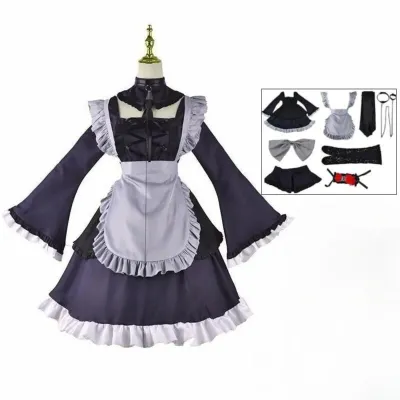
Prices are valid at publication and may change. Please refer to the product page for the latest price.
These categories differ significantly in size, detail level, and general price positioning in the local market. Prize figures offer an accessible entry point, typically costing under ₱1,500, while articulated chibi figures generally range between ₱2,500 and ₱4,000. Premium scale figures represent the highest tier of investment, often starting around ₱6,000 and reaching well over ₱15,000 depending on the complexity of the sculpt, the manufacturer, and the rarity of the release. Understanding these distinctions helps you allocate your budget effectively and set realistic expectations for your collection.
Choosing the Right Figure Type for Your Display Goals
Selecting the ideal figure type requires a careful balance between your available display space, financial commitment, and aesthetic preferences. Before making a purchase, consider where your collection will live—whether on a dedicated bookshelf, a compact study desk, or inside a sealed glass cabinet. Each figure category demands a different level of physical space and visual prominence, making it essential to plan your setup beforehand.

There are clear trade-offs between detail, articulation, and cost across the different figure types. While a premium scale figure offers unmatched sculpt accuracy and paint gradation, it remains in a fixed pose and requires a significant financial investment. Conversely, articulated chibi figures allow for interactive posing and customization but sacrifice realistic proportions. Prize figures provide an affordable way to acquire multiple character variants, though they lack the refined finish of higher-end releases.
Scale Figures for High-Detail Display
For collectors who prioritize absolute visual accuracy and intricate costume details, fixed-pose scale figures are the gold standard. These pieces are designed to replicate specific illustrations or iconic scenes from the anime and manga with breathtaking precision. Manufacturers pay close attention to fabric textures, the realistic flow of hair, dynamic posing, and character-accurate facial expressions that capture Marin’s energetic personality or Gojo’s focused dedication.
Because these figures are sculpted to a specific ratio—typically 1/7 or 1/6 scale—they carry a larger physical footprint and a premium price tag. The complex bases, which often feature thematic elements like sewing room floors, studio backdrops, or beach scenes, require ample shelf depth and height. Before purchasing a scale figure, always check the manufacturer’s official specifications for the exact dimensions, including the base diameter and total height, to ensure the piece will fit comfortably inside your display case.
Articulated Chibi Figures for Posing and Customization
If you prefer an interactive and highly customizable display, articulated chibi figures—most notably the popular Nendoroid line by Good Smile Company—are an exceptional choice. These figures shrink characters down into a stylized, adorable form while maintaining a high level of expressive detail.
The primary appeal of this category lies in the inclusion of interchangeable faceplates, hands, and character-specific props. For a series centered on cosplay, this format is incredibly fitting, allowing you to swap Marin’s expressions from her confident smiles to her flustered blushes, or equip her with sewing tools, food items, and camera accessories. Their compact size, usually standing around 10 centimeters tall, makes them perfect for decorating office desks, computer setups, or small floating shelves. However, collectors must handle the small, delicate joints and accessories with care during assembly and posing to prevent accidental damage.
Prize Figures for Budget-Friendly Starters
Mass-market prize figures, originally designed for Japanese amusement arcade cranes but widely distributed for direct sale globally, serve as an excellent entry point for new collectors. This tier allows you to build a diverse collection of different outfits and poses without a massive financial burden.
While prize figures are typically smaller and utilize simpler plastics than premium scale figures, they still offer remarkable value and charm. Manufacturers frequently release new variants featuring Marin in her school uniform, casual outfits, or various cosplay guises, giving fans plenty of variety to choose from. When buying prize figures, it is important to manage your expectations regarding the final finish, as you may observe minor paint imperfections or visible seam lines along the plastic molds.
Expanding Your Collection Beyond Figures
A well-rounded collection does not have to rely solely on PVC figures. Given the series’ deep appreciation for the art of costume creation, sewing, and character design, expanding your collection into print media and lifestyle merchandise can create a much richer and more personalized display.
Official art books, fan books, and animation setting materials are fantastic additions for any fan of the franchise. These publications feature high-quality illustrations, detailed costume breakdowns, fabric notes, and behind-the-scenes commentary from the creators. Displaying these books alongside your figures adds a layer of intellectual depth to your collection, celebrating the craftsmanship that defines the story of Marin and Gojo.
Replica props and thematic accessories offer another creative avenue for display. You can source official or high-quality replica items such as Gojo’s measuring tapes, character-themed keychains, or miniature sewing kits to place alongside your figures. These small touches transform a standard shelf into a curated scene that mirrors Gojo’s workshop. For those who want to carry their love for the series beyond the home, officially licensed apparel, tote bags, and embroidered patches provide a practical way to integrate the franchise into your daily life.
Verifying Authenticity When Buying in the Philippines
The immense popularity of the franchise has unfortunately led to a flood of counterfeit products, commonly referred to as bootlegs, in the local market. Protecting yourself from these low-quality imitations requires a sharp eye and a disciplined approach to shopping, especially when browsing online marketplaces or physical hobby shops.
There are several clear, observable signals that indicate a figure is a bootleg. Inspect the packaging closely: counterfeit items often feature blurry printing, missing manufacturer logos, and flimsy cardboard that crushes easily. Authentic Japanese figures almost always feature official licensing stickers, often holographic or color-coded, affixed to the top or front of the box. On the figure itself, look for sloppy paint application, misaligned eyes, sticky or overly shiny plastic surfaces, and loose joints that fail to hold a pose.
To ensure you are purchasing genuine merchandise, buy exclusively from authorized local hobby shops and official brand storefronts on major e-commerce platforms. Many reputable local retailers in the Philippines are official partners of major Japanese distributors, guaranteeing that their stock is 100% authentic. Avoid listings on online marketplaces that feature suspiciously low prices—such as a scale figure listed for ₱500 when its standard retail value is ₱7,000. Be wary of listings that use stock photos instead of actual product photos, or those containing vague descriptions like “OEM version,” “unbranded,” or “high-quality copy.”
If you receive an item and suspect it is a counterfeit, do not open the sealed inner plastic blister pack. Most legitimate return policies and buyer protection programs on e-commerce platforms require the product to remain in its original, unopened condition to qualify for a full refund. Take clear, well-lit photos and videos of the unopened box, focusing on the missing logos, poor print quality, and the absence of authenticity stickers, to support your dispute claim with the seller.
Caring for and Displaying Your Anime Collection
Once you have acquired your authentic figures and collectibles, proper maintenance is essential to preserve their vibrant colors, structural integrity, and long-term value. The tropical climate of the Philippines presents unique environmental challenges that collectors must actively manage to protect their investments.
Regular, gentle dusting is the foundation of good figure care. Use a soft-bristled makeup brush or a dedicated anti-static cleaning brush to gently sweep away dust from intricate crevices, hair strands, and delicate costume folds. Avoid using harsh chemical cleaners, abrasive cloths, or paper towels, which can scratch the delicate paintwork or leave unsightly residue on the plastic surfaces.
Protecting your collection from direct sunlight is absolutely critical. Ultraviolet (UV) rays cause rapid color fading, yellowing of white plastics, and overall material degradation over time. Position your display shelves far away from windows, or install UV-filtering window films and blackout curtains to minimize exposure to natural light.
The high humidity and elevated temperatures common in the Philippines can cause a phenomenon known as plasticizer weeping, where the plasticizer chemicals used to make PVC flexible begin to migrate to the surface, leaving a sticky, oily residue. To prevent this and avoid joint loosening, keep your display room well-ventilated. If possible, use a dehumidifier or air conditioning during the most humid months of the year to maintain a stable environment. For premium scale figures and delicate collectibles, investing in enclosed acrylic display cases or glass cabinets is highly recommended to provide an excellent barrier against dust and moisture.
Frequently Asked Questions (FAQ)
Are bootleg figures common for this franchise?
Yes, because of the massive global popularity of Marin Kitagawa and the franchise, counterfeit manufacturers frequently produce bootleg versions of both scale and chibi figures. These unauthorized copies are made with cheap, substandard materials, poor paint jobs, and plastics that do not meet safety standards. Purchasing from verified, authorized retailers is the only way to guarantee you receive a high-quality product while directly supporting the original creators and production team behind the series.
Do I need to import directly from Japan to get authentic items?
No, you do not need to import directly from Japan to build an authentic collection. Many established, authorized hobby shops and specialty retailers in the Philippines import genuine merchandise directly from Japanese distributors, offering them at competitive local prices. Importing directly from Japanese online storefronts is generally only necessary if you are searching for highly exclusive, region-locked pre-order bonuses, or rare older releases on the secondary market, though international shipping and potential customs duties can significantly increase your overall cost.
Community discussion
Share your experience or ask a question. Comments are reviewed before publication.