
Building a physical library of Filipino cinema is a deeply rewarding pursuit for movie lovers and collectors alike. While digital streaming platforms offer convenience, they are subject to shifting licensing agreements, regional geoblocks, and sudden removals that can make your favorite films disappear overnight. For those looking to preserve the rich heritage of Philippine cinema, collecting physical media ensures permanent ownership of these cultural touchstones. Finding and curating high-quality dvd tagalog movies allows you to experience local storytelling in its most stable, collectible format, complete with original artwork, physical packaging, and exclusive bonus content.
Starting a collection requires a strategic approach to navigating the local physical media landscape. The market features a wide spectrum of releases, ranging from restored cinematic masterpieces of the mid-20th century to independent festival favorites and modern blockbuster hits. To build a collection that stands the test of time, you must understand what makes a physical release valuable, how to verify the technical specifications of each disc, and how to source authentic copies in a market where counterfeit goods remain a persistent challenge.
Why Build a Physical Filipino Movie Collection?
The primary appeal of physical media lies in the absolute certainty of ownership. When you purchase a physical DVD, you are not merely renting a digital license that can be revoked at the whim of a corporate distributor; you own a tangible piece of art. This permanence is particularly vital for Philippine cinema, where many older films risk falling into obscurity due to a lack of digital preservation or limited streaming availability. By collecting physical discs, you act as a personal archivist, ensuring that these stories remain accessible regardless of internet connectivity or platform policies.
Products mentioned in this guide
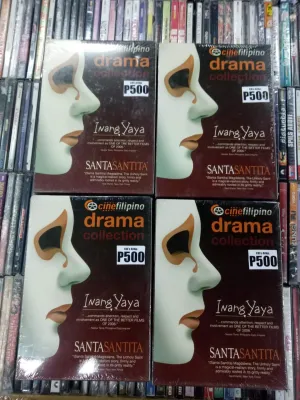
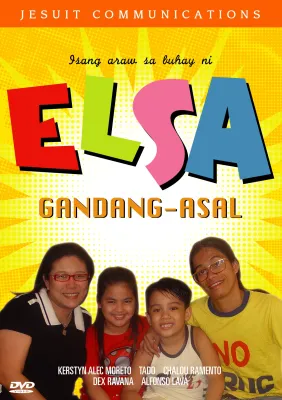
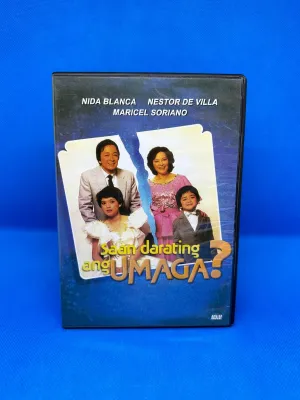
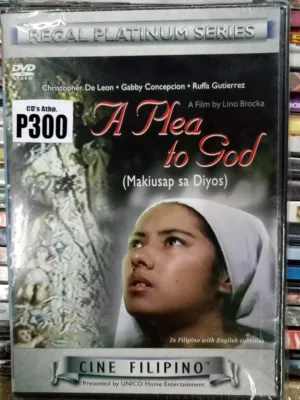
Prices are valid at publication and may change. Please refer to the product page for the latest price.
Furthermore, buying official physical releases directly supports the ongoing preservation of local cinema. Revenue from legitimate DVD sales helps fund film restoration projects, which are labor-intensive and costly undertakings. Organizations and studios dedicated to restoring classic Tagalog films rely on consumer demand to justify the expensive process of scanning, cleaning, and remastering delicate celluloid prints. Your purchase contributes to a sustainable ecosystem that keeps the history of Philippine storytelling alive for future generations.
Beyond preservation, physical media offers a tactile experience that digital files simply cannot replicate. A well-designed DVD cover, a detailed liner booklet with essays from film critics, and high-quality slipcases turn a movie into a display-worthy collector’s item. Many physical releases also include exclusive special features, such as director commentaries, deleted scenes, and behind-the-scenes documentaries that provide invaluable context about the filmmaking process. These bonus materials offer a deeper appreciation of the film, transforming a simple viewing session into an educational and immersive experience.
What to Look for When Buying Tagalog Movie DVDs
When building your collection, understanding the technical specifications of physical media is crucial to ensure compatibility and optimal playback quality. The first critical factor to verify is the region coding. The global DVD standard divides the world into geographical regions to control distribution. The Philippines is designated under Region 3, which covers Southeast Asia and East Asia. Many local DVD releases are encoded specifically for Region 3, while others are released as Region 0 (or Region All), meaning they can play on any player worldwide. Before purchasing, check the packaging for the region symbol—usually a small globe icon with a number inside—to ensure the disc will play on your home entertainment setup.

Video and audio quality are equally important considerations. Because DVDs are a standard-definition format (typically 480i or 480p), the quality of the transfer depends heavily on the source material. Look for releases that advertise “digitally restored” or “remastered” transfers, which indicate that the video has been cleaned up from original film elements rather than copied from low-quality VHS or television broadcast tapes. Additionally, verify the audio tracks. A quality release should feature the original Tagalog audio track—ideally in uncompressed stereo or a multi-channel Dolby Digital format—along with optional English subtitles. Subtitles are essential not only for non-native speakers but also for preserving the accessibility of the film for diverse audiences.
The physical packaging and edition type also dictate the value of a DVD to a collector. Standard releases usually come in a simple plastic Keep Case with basic cover art. In contrast, collector’s editions and limited box sets often feature premium packaging, such as digipaks, custom slipcovers, and printed booklets containing production stills, cast biographies, and historical essays. When comparing options, prioritize editions that offer these physical extras, as they significantly enhance the aesthetic value of your shelf.
Finally, collectors in the Philippines must account for the local tropical climate. High humidity and ambient heat can accelerate the degradation of physical media, leading to a phenomenon known as “disc rot,” where the reflective layer of the DVD oxidizes and becomes unreadable. Mold can also grow on paper inserts and plastic cases. To protect your investment, store your collection in a cool, dry room away from direct sunlight. Utilizing airtight storage bins with silica gel packets can help control moisture levels and preserve your discs for decades.
Top Classic Filipino Cinema Categories for Your Shelf
To build a well-rounded library, it is helpful to categorize your collection by historical eras and genres. Classic Tagalog cinema offers a vast treasure trove of narrative depth, reflecting the social, political, and cultural evolution of the Philippines over the decades.
Social Realism and the Second Golden Age
The period spanning the mid-1970s to the early 1980s is widely celebrated as the Second Golden Age of Philippine cinema. During this era, visionary directors utilized the medium to confront pressing social issues, poverty, and political unrest, creating masterpieces of social realism. When browsing for classic dvd tagalog movies, look for works by legendary filmmakers such as Lino Brocka, Ishmael Bernal, and Mike De Leon. These directors crafted stories that were both deeply localized and universally resonant, capturing the struggles of the working class, urban migration, and systemic corruption.
When searching for these films, prioritize officially restored releases. Many of these masterpieces have undergone meticulous digital restoration through partnerships between local archives and international film foundations. These restored DVDs offer significantly improved contrast, color accuracy, and audio clarity compared to older, unrestored versions. However, collectors should note that some of these rare classics can be difficult to find in standard retail outlets. Many have limited print runs and may go out of print quickly, requiring patience, persistence, and networking within specialized physical media collector groups to find legitimate second-hand copies in good condition.
Iconic Mainstream Romances and Family Dramas
No physical collection of Philippine cinema is complete without acknowledging the massive cultural impact of mainstream romances and family melodramas. These genres have long been the lifeblood of the local film industry, shaping pop culture trends, popularizing iconic catchphrases, and defining the careers of famous onscreen romantic partnerships and veteran actors. Major local studios, such as Star Cinema, Viva Films, and Regal Entertainment, have produced a vast catalog of emotionally resonant dramas and romantic comedies that have captured the hearts of generations.
When collecting in this category, look for milestone anniversary editions or bundled box sets that celebrate the works of iconic directors. These releases often compile highly successful titles that represent the pinnacle of local commercial filmmaking. Mainstream classics are generally much easier to source than independent or older art-house films, making them excellent, budget-friendly entry points for those just starting their physical media journey. They provide a nostalgic look at the evolving social dynamics, family values, and romantic ideals of Filipino society over the years.
Must-Have Contemporary Filipino Films on DVD
Balancing your collection requires looking beyond historical classics to include the vibrant and diverse output of contemporary Philippine cinema. The modern era has seen a fascinating split between boundary-pushing independent films and high-concept mainstream blockbusters.
Critically Acclaimed Indie and Art House Masterpieces
The rise of digital filmmaking in the 2000s sparked an independent cinema revolution in the Philippines, leading to the creation of highly acclaimed art-house masterpieces. Contemporary auteurs have gained international recognition at prestigious film festivals such as Cannes, Venice, and Berlin. Their films often explore gritty realism, historical trauma, and complex moral dilemmas, offering a stark contrast to mainstream commercial fare.
Collecting independent films on DVD presents a unique set of challenges and rewards. Because these films cater to niche audiences, their physical releases typically have very small print runs, sometimes limited to just a few hundred copies. This limited availability makes them highly prized collector’s items. To acquire these titles, you may need to look beyond traditional retail stores. Check with independent film distributors, micro-cinemas, or purchase directly from filmmakers during film festivals, indie screenings, and specialized cultural events.
Modern Mainstream Blockbusters and Genre Hits
To complement your art-house films, consider adding modern mainstream blockbusters and successful genre hits to your shelf. The contemporary local industry has produced highly polished commercial films that have shattered box-office records and pushed technical boundaries in genres like horror, comedy, and action. From terrifying supernatural horror films rooted in local folklore to epic historical dramas and high-stakes action thrillers, these movies showcase the high production values of modern Philippine studios.
When shopping for modern blockbusters, seek out special editions that offer added value. Look for director’s cuts, extended versions, or releases that feature comprehensive “making-of” documentaries, cast interviews, and gag reels. Because these films are produced by major studios, their DVDs are widely distributed and relatively easy to find through standard retail channels. They serve as great crowd-pleasing additions to your collection, perfect for movie nights with family and friends.
Where to Buy and How to Spot Authentic Releases
Sourcing physical media in the modern era requires careful navigation, as physical video rental stores and dedicated DVD shops have largely disappeared. To ensure your money supports the creators and that you receive a high-quality product, you must know where to shop and how to identify counterfeit copies.
Authorized Retailers and Specialty Shops
Your first choice should always be authorized retailers. While physical storefronts are less common now, established local bookstore chains, major department stores, and specialized physical music and video shops still carry a curated selection of local movies. Additionally, major film studios often operate their own official online storefronts, which are the safest and most reliable sources for purchasing brand-new, factory-sealed DVDs. Purchasing directly from these official channels guarantees that you are receiving a genuine product and that the royalties are properly distributed to the creators and distributors.
Navigating E-commerce Platforms
If you choose to shop on general online marketplaces and e-commerce platforms, extreme caution is required. These platforms host thousands of third-party sellers, some of whom list counterfeit or poorly burned discs. To protect yourself, always verify the seller’s rating and read customer reviews carefully. Look for reviews that specifically mention the physical quality of the product, such as the clarity of the cover art and the playback stability of the disc. Prioritize sellers that carry “Official Store” or “Preferred” badges, as these merchants undergo stricter verification processes by the platform.
Spotting Pirated and Counterfeit DVDs
Counterfeit DVDs are highly prevalent in the secondary market, but they can be easily spotted if you know what physical red flags to look for. First, inspect the recording side of the disc. Authentic, commercially manufactured DVDs are “pressed” in a factory, resulting in a bright, silver reflective surface. In contrast, pirated copies are almost always “burned” on standard DVD-R discs, which feature a distinct purple, blue, or dark green tint on the recording side.
Next, examine the packaging and print quality. Genuine releases feature sharp, high-resolution cover art printed on high-quality, glossy paper, often accompanied by holographic security stickers from regulatory bodies. Counterfeit covers are frequently printed on cheap paper using low-resolution home printers, resulting in blurry text, pixelated images, and faded colors. Additionally, check the disc art itself; authentic discs have professional, factory-printed labels, whereas bootlegs often use stick-on paper labels or direct-inkjet printing that looks uneven. Finally, test the disc’s menu screen; counterfeit copies often bypass the original interactive menus entirely or feature amateurish, generic navigation screens.
Frequently Asked Questions (FAQ)
Do I need a region-free player for Filipino DVDs?
While the Philippines is officially designated as part of DVD Region 3, many local film distributors encode their DVDs as Region 0 (or Region All). This means the discs are designed to play on standard DVD players worldwide without any regional restrictions. However, some older or studio-specific releases remain strictly locked to Region 3. To avoid playback issues, it is highly recommended to check the back of the DVD case for the region code before purchasing. Acquiring a dedicated region-free DVD player is the most versatile solution for serious collectors, as it guarantees compatibility with both local releases and imported international films.
Are Blu-ray versions available for classic Tagalog movies?
The physical media market in the Philippines has historically favored the DVD format due to its affordability and the widespread availability of compatible players. Consequently, the vast majority of classic Tagalog movies are only available on DVD. However, a select number of critically acclaimed classics that have undergone high-definition 4K digital restorations have received limited-edition Blu-ray releases, often produced in collaboration with international boutique distributors. These Blu-ray editions offer superior video resolution and uncompressed audio, but they are rare, highly sought after, and generally command premium prices compared to their standard DVD counterparts.
Community discussion
Share your experience or ask a question. Comments are reviewed before publication.