
Achieving meaningful personal and professional growth often feels like an uphill battle, especially when balancing the demands of a busy career, family commitments, and daily life in the Philippines. The concept of the 1% mindset offers a practical alternative to overwhelming, overnight transformations by focusing on the power of small, compounding improvements. By dedicating yourself to getting just one percent better each day, you can build sustainable habits that lead to significant long-term success.
For Filipino readers, this philosophy is particularly powerful. It shifts the focus from waiting for massive, external breakthroughs to taking control of daily routines, whether you are navigating the competitive corporate landscape of Metro Manila or building a freelance business from home. To truly master this approach, finding the right literature—such as “The One Percent Thinking” book and other structured self-help guides—is essential.
However, the self-help market is saturated with repetitive advice and motivational platitudes. To make a real impact on your life, you must learn how to select, evaluate, and apply these global mindset strategies within your local context. This guide will help you navigate the core principles of the 1% mindset, establish rigorous criteria for choosing high-quality books, and build a personal development library that delivers practical value.
Products mentioned in this guide
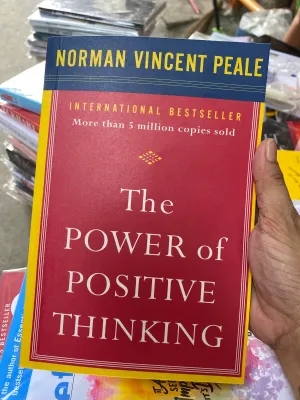

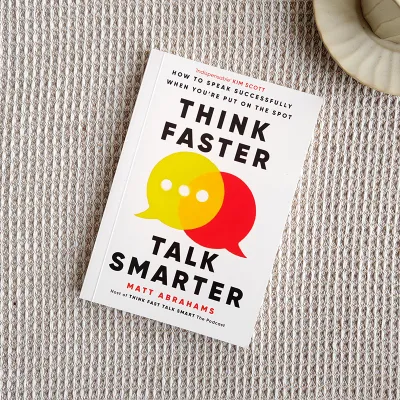
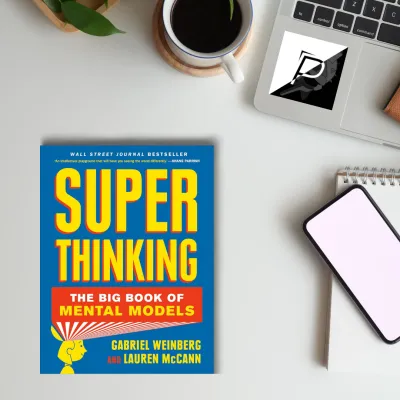
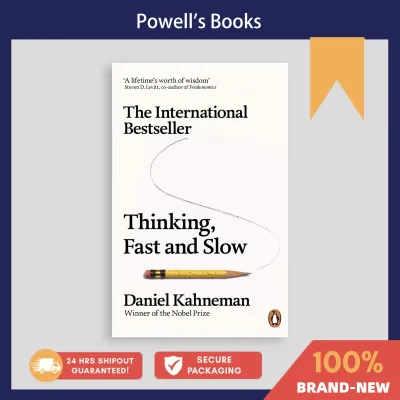
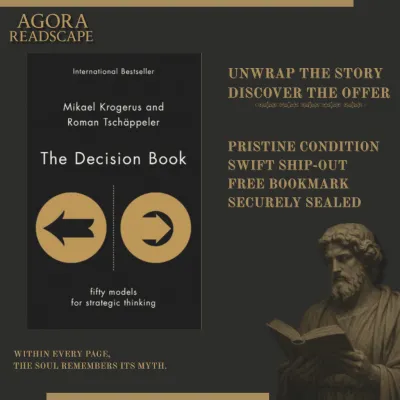
Prices are valid at publication and may change. Please refer to the product page for the latest price.
Exploring "The One Percent Thinking" and the 1% Mindset
When searching for “The One Percent Thinking” book, your first step should always be to verify the exact author, publisher, and edition. Because terms like “one percent,” “1% mindset,” and “marginal gains” are highly popular in the personal development space, many books feature similar titles or covers. Checking the publisher’s official website or cross-referencing the International Standard Book Number (ISBN) ensures you are purchasing the authentic text rather than a generic compilation or an unauthorized summary.
The core philosophy of the 1% mindset is rooted in the concept of continuous marginal gains. Instead of attempting drastic, unsustainable lifestyle overhauls that often lead to burnout, this approach encourages you to identify tiny areas of improvement across your daily routine. Over time, these microscopic adjustments compound, resulting in elite habits, enhanced productivity, and deep-seated personal discipline.
To determine if “The One Percent Thinking” or any similar book is worth your time, examine its table of contents and introductory chapters for a clear, logical structure. A high-quality self-help book should offer more than just inspirational stories; it must provide actionable frameworks, step-by-step exercises, and measurable milestones. Look for chapters that explain how to track your progress, as a mindset shift is only effective if it can be observed and measured in your daily actions.
Additionally, consider how the book addresses setbacks. A realistic guide to the 1% mindset acknowledges that progress is rarely linear. It should offer strategies for maintaining consistency during challenging periods, helping you stay committed to your daily marginal gains even when external circumstances are unpredictable.
Criteria for Selecting High-Impact Self-Help Books
Selecting the right self-help books requires a critical eye, as the market is filled with titles that promise rapid transformation but deliver little substance. To protect your time and resources, you must differentiate between books that offer actionable, step-by-step systems and those that rely purely on motivational anecdotes. A system-based book provides concrete tools, templates, or cognitive exercises that you can immediately implement, whereas an anecdote-heavy book often leaves you feeling temporarily inspired but without a clear path forward.

Another critical factor is the author’s credibility and professional background. Investigate whether the author has practical experience in the field they are writing about, or if they have spent years studying human behavior, psychology, or organizational performance. Books that cite peer-reviewed research, established psychological principles, or historical case studies are generally more reliable than those based solely on the author’s personal, unverified success story.
Language editions and translation quality also play a vital role in how well you absorb complex concepts. If you are reading an international bestseller that has been translated from another language, try to read sample pages first. Poor translations can obscure subtle psychological nuances, make actionable steps confusing, or result in a dry, mechanical reading experience that hinders your learning.
Finally, always verify the local availability of the book through legitimate channels before making a purchase. In the Philippines, the market is unfortunately flooded with pirated physical copies and unauthorized digital PDFs. These bootleg versions often suffer from missing pages, severe printing errors, low-quality paper that degrades quickly in tropical humidity, or incomplete chapters that disrupt your study of the material. Purchasing from authorized sellers guarantees you receive the complete, high-quality text as intended by the author.
Adapting Global Mindset Strategies to the Local Context
While international self-help books offer invaluable frameworks, many of their strategies are written from the perspective of Western economies and corporate structures. To make these books truly useful, Filipino readers must actively adapt global mindset strategies to the local context. For instance, career advancement, financial planning, and professional networking operate differently in the domestic job market, where relationship-building, local corporate hierarchies, and distinct economic conditions play a major role.
It is essential to filter out advice that simply does not translate to the local environment. Detailed chapters on foreign tax-advantaged investment accounts, localized real estate purchasing tactics, or specific legal frameworks found in the United States or Europe will not apply to your financial journey in the Philippines. Spending too much time trying to replicate these specific strategies can lead to frustration and wasted effort.
Instead, redirect your focus toward universal, high-return habits that remain highly effective regardless of your geographic location. Concepts such as deep work—the ability to focus without distraction on cognitively demanding tasks—are universally valuable, whether you are working in a bustling office in Bonifacio Global City or managing clients remotely from a provincial home. Developing deep work habits allows you to maximize your output and stand out in any professional setting.
Emotional intelligence and continuous skill acquisition are also highly adaptable, universal traits. In Philippine workplaces, where collaboration, interpersonal harmony, and smooth interpersonal relationships are highly valued, high emotional intelligence can significantly accelerate your career growth. By focusing on these core, cross-border principles, you can extract the maximum value from global self-help literature and apply it directly to your daily life.
Building and Managing Your Personal Development Library
Creating a sustainable personal development library requires careful planning to ensure you actually consume and benefit from the books you buy. Start by comparing different reading formats based on your daily routine, lifestyle, and how you best retain information. Physical books are excellent for deep study at home, allowing you to write notes in the margins and easily flip back to key diagrams, though they require protection from the high humidity of the tropical climate to prevent yellowing and mold.
E-books offer incredible convenience, allowing you to carry an entire library on a single lightweight device, which is ideal if you face a long daily commute on public transportation. Audiobooks are another excellent option for busy individuals, enabling you to absorb valuable insights while driving through traffic, exercising, or performing household chores. Choose the format that seamlessly integrates into your existing habits rather than forcing yourself into a reading style that feels like a chore.
To avoid the trap of buying books and letting them pile up unread, establish a realistic reading budget in Philippine Pesos (₱). Instead of bulk-buying multiple titles based on fleeting social media trends or unverified bestseller lists, prioritize purchasing one or two high-impact books at a time. Commit to finishing and thoroughly processing a book before investing in the next one, which keeps your spending controlled and your learning focused.
Finally, implement an active reading system to ensure the knowledge you acquire translates into real-world behavioral changes. Keep a dedicated notebook or digital document where you summarize key chapters in your own words, write down specific action items, and track your progress over time. Highlighting important passages is a good start, but actively writing down how you plan to apply a specific 1% mindset strategy to your career or personal life is what truly bridges the gap between reading and doing.
Frequently Asked Questions (FAQ)
Where can I buy legitimate copies of self-help books in the Philippines?
To ensure you are purchasing authentic, complete editions, shop at major physical bookstore chains located in local malls or visit their official flagship stores on authorized ecommerce platforms. For digital versions, stick to established global e-book and audiobook platforms that secure proper licensing rights for authors. Avoid buying exceptionally cheap physical books or digital files from unverified sellers on social media marketplaces, as these are almost always unauthorized, poorly printed, or incomplete copies.
Are audiobooks as effective as physical books for learning the 1% mindset?
Audiobooks are highly effective for maintaining consistency, especially if you have a busy lifestyle and want to utilize your daily commute or chore time for personal growth. However, physical books and e-books generally offer better support for deep study, active note-taking, and referencing complex frameworks or diagrams. A balanced approach is often best: use audiobooks for initial exposure and inspiration, and keep physical or digital copies of core texts for detailed study and practical application.
How do I know if a self-help book is based on real research?
You can verify a book’s scientific foundation by turning to the back pages to check for a comprehensive bibliography, endnotes, or reference section citing peer-reviewed academic journals and established psychological studies. Additionally, research the author’s professional credentials, academic background, or clinical experience in their respective field. Reading critical, independent reviews from academic or professional sources rather than relying solely on promotional blurbs on the cover will also help you assess the book’s factual credibility.

Community discussion
Share your experience or ask a question. Comments are reviewed before publication.