
To experience the Regency-era romance of the Bridgerton family as author Julia Quinn intended, the best approach is to read the eight core novels in their original publication order. While the television adaptation has captured global attention by rearranging certain timelines and character introductions, the books follow a structured progression that allows readers to watch the siblings grow, mature, and find love in a logical sequence. Reading the novels in order ensures that you fully appreciate the recurring family jokes, the evolving relationships between the siblings, and the overarching mystery of Lady Whistledown’s identity.
The Core Bridgerton Series: Reading Order by Sibling
The heart of the Bridgerton literary universe lies in the eight core novels, each dedicated to the romantic journey of one of the late Viscount Bridgerton’s children. Although the siblings’ names are alphabetical from oldest to youngest—Anthony, Benedict, Colin, Daphne, Eloise, Francesca, Gregory, and Hyacinth—the books do not follow this alphabetical order. Instead, they follow the order of publication, which traces a natural chronological progression through the London social seasons.
The definitive reading sequence for the core series begins with Daphne’s story and concludes with Gregory’s:
Products mentioned in this guide
![The Bridgerton [TV Tie-in] (Bridgertons Book 1-9) Paperback By Julia Quinn Original English books](https://img.lazcdn.com/g/p/d80f2661d1c6170b2a00a83cae4e2e39.jpg_400x400q80.jpg_.webp)
Prices are valid at publication and may change. Please refer to the product page for the latest price.
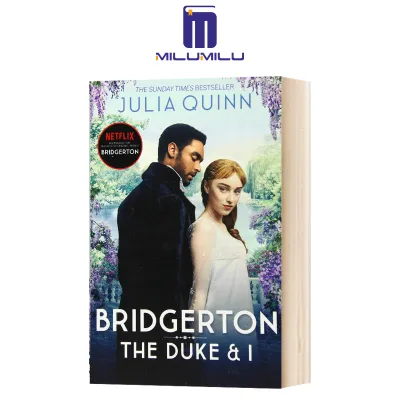
- The Duke and I (Book 1): This novel introduces the high-society marriage mart through Daphne Bridgerton and Simon Basset, the Duke of Hastings, who enter a fake courtship that quickly turns genuine.
- The Viscount Who Loved Me (Book 2): The story shifts to the eldest sibling, Anthony Bridgerton, and his enemies-to-lovers romance with Kate Sheffield, featuring the iconic family Pall Mall game.
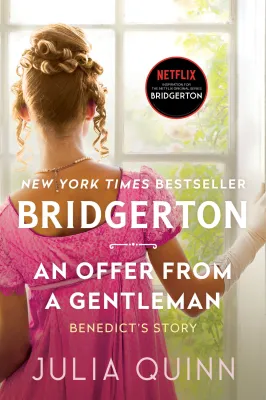
- An Offer From a Gentleman (Book 3): Benedict Bridgerton's tale is a classic Cinderella-inspired romance featuring Sophie Beckett, an earl's daughter relegated to servitude.
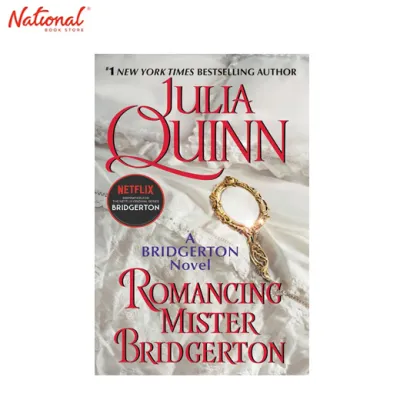
- Romancing Mister Bridgerton (Book 4): This pivotal friends-to-lovers story focuses on Colin Bridgerton and Penelope Featherington, serving as a major turning point for the series' overarching gossip plot.
- To Sir Phillip, With Love (Book 5): Eloise Bridgerton's romance unfolds through letters and an unexpected journey to meet Sir Phillip Crane, a grieving widower.
- When He Was Wicked (Book 6): Francesca Bridgerton's story offers a more mature, emotionally intense narrative set partly in Scotland, focusing on her relationship with Michael Stirling.
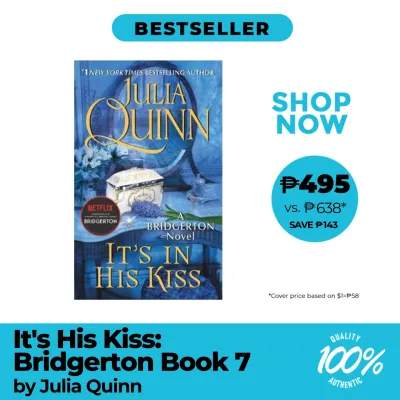
- It's in His Kiss (Book 7): The focus turns to the sharp-witted Hyacinth Bridgerton and Gareth St. Clair as they translate an old family diary and uncover long-hidden secrets.
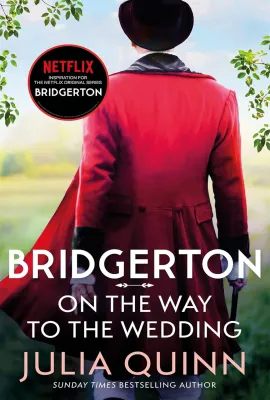
- On the Way to the Wedding (Book 8): The main series concludes with Gregory Bridgerton, the family's ultimate romantic, and his dramatic quest to win the heart of Lady Lucinda Abernathy.
Reading these books in their exact publication order is highly recommended because of how the secondary character arcs develop. Julia Quinn masterfully weaves family dynamics throughout each novel, meaning that characters who marry in earlier books frequently reappear as supportive, meddling, or protective family members in later volumes. Skipping ahead can lessen the emotional impact of these cameos and disrupt your understanding of the family’s collective growth.
Furthermore, the mystery of Lady Whistledown—the anonymous society columnist whose pamphlets dictate the social standing of the characters—serves as a major narrative thread across the first four books. If you read the novels out of order, you risk spoiling the dramatic unmasking of this character, which occurs in Romancing Mister Bridgerton. Knowing this secret prematurely alters how you perceive the interactions and motivations of several key characters in the earlier books.
Prequels, Spin-offs, and Companion Novels: Where Do They Fit?
Once you have completed the main series, you can expand your reading to include the various prequels and companion pieces that flesh out the broader Bridgerton universe. The most prominent of these is the Rokesby series, which serves as a Georgian-era prequel sequence set in the late 1700s. This four-book series includes Because of Miss Bridgerton, The Girl with the Make-believe Husband, The Other Miss Bridgerton, and First Comes Scandal.

The Rokesby novels focus on the aristocratic neighbors and cousins of the Bridgerton family during the generation preceding the main series. While these books are set earlier in the timeline, it is best to read them after finishing the core Bridgerton novels. This sequence allows you to appreciate the subtle historical context, ancestral connections, and family traits that eventually define the characters you already know and love.
For readers seeking closure after the final sibling’s story, The Bridgertons: Happily Ever After is an essential companion volume. This collection contains “second epilogues” for all eight novels, addressing long-standing questions about the characters’ lives, careers, and children years after their original stories ended. It also features a highly anticipated novella focusing on the family matriarch, Violet Bridgerton. Because these epilogues contain major spoilers for the endings of every single sibling’s book, you should avoid opening this collection until you have finished all eight main novels.
To keep your reading list organized, it is helpful to distinguish official Bridgerton universe companions from Julia Quinn’s other historical romance series. The author has written several independent series, such as the Bevelstoke Trilogy, the Lyndon Series, and the Splendid Trilogy, which feature entirely different characters and social circles. While these books share the author’s signature wit, they do not connect to the Bridgerton family tree and can be read independently at any time.
Choosing Your Edition: English Originals vs. Tagalog Translations
When building your Bridgerton collection, one of the first decisions you will face is choosing between the original English editions and localized Tagalog translations. Julia Quinn’s original English prose relies heavily on Regency-era vocabulary, drawing-room wit, and formal sentence structures that reflect the strict social hierarchy of 19th-century London. For readers who enjoy historical immersion, the English editions preserve these stylistic nuances and period-specific idioms.
In contrast, localized Tagalog translations adapt the dialogue and emotional beats to match the familiar, highly expressive cadence of local romance literature. While some historical terms are simplified or translated to maintain readability, these editions offer a highly accessible and emotionally resonant experience. Before purchasing, always check the copyright page or online product specifications to verify the language, translator credits, and publisher information to ensure you are buying an authorized, high-quality translation.
Format is another critical consideration, especially given the environmental conditions in the Philippines. Physical books, such as paperbacks and hardcovers, are excellent for collectors who want to display the series on their shelves. However, the local tropical climate brings high humidity, which can cause paperbacks to develop yellow spots, known as foxing, and cause covers to warp over time. If you choose physical copies, store them in a dry, well-ventilated area away from direct sunlight, and consider placing silica gel packets on your bookshelves to absorb excess moisture.
For those concerned about book preservation or reading on the go, digital formats like e-books and audiobooks offer excellent durability and convenience. Digital editions allow you to adjust font sizes, read in low light, and carry the entire series on a single device. Before purchasing digital versions, verify device compatibility with your e-reader or mobile app, and check for regional restrictions on digital storefronts, as some publishers limit digital distribution rights by country.
Where to Buy and How to Verify Authentic Copies in the Philippines
To ensure you are supporting the author and receiving a high-quality product, it is important to purchase your books from reliable, authorized channels. Established physical bookstore chains, authorized local distributors, and the official flagship stores of major booksellers on reputable online marketplaces are the safest options. Avoid buying from unverified third-party sellers who offer suspiciously low prices, as these listings often feature unauthorized, low-quality reprints.
Counterfeit books are a common issue in the local market, but they are relatively easy to identify if you perform a few physical checks. Authentic books are printed on high-quality, cream-colored or off-white paper that feels substantial and smooth. Counterfeit copies, by contrast, often use thin, greyish newsprint that allows ink to bleed through to the other side, making the text difficult to read. Examine the cover art closely; genuine editions feature sharp, vibrant printing, while fakes often have blurry, pixelated images or misaligned text on the spine.
Additionally, check the binding of the book. Authentic paperbacks have flexible, durable bindings designed to withstand multiple readings, whereas counterfeits often use cheap industrial glue that smells strongly of chemicals and cracks easily, causing pages to fall out. You can also verify the book’s authenticity by checking the 13-digit International Standard Book Number (ISBN) printed above the barcode on the back cover. Cross-referencing this number with the official publisher’s database or a global book registry will confirm if the physical copy matches the registered edition.
Price is another reliable indicator of authenticity. In the local market, authentic mass-market paperbacks typically retail between ₱400 and ₱600, while trade paperbacks and hardcovers can range from ₱700 to over ₱1,200. If an online listing advertises a “brand new” copy for ₱100 to ₱150, this extreme discount is a major red flag for a pirated reprint. Always review the seller’s return policy before purchasing, ensuring they offer a clear window for returns or refunds if the book arrives damaged or is found to be non-authentic.
Frequently Asked Questions (FAQ)
Do I need to read the Bridgerton books in order to understand the Netflix show?
No, you do not need to read the books to understand the television show, as the adaptation is designed to stand on its own. However, the show frequently shifts the timeline and character arcs. For instance, the television series moved Colin and Penelope’s romance (the focus of Book 4) ahead of Benedict’s story (the focus of Book 3). If you want to transition from the show to the books, starting with the novel that corresponds to your favorite season is a popular option. For example, if you loved the first season, start with The Duke and I. If you prefer to follow the natural progression of the family’s literary journey, starting from Book 1 is still highly recommended to avoid missing the foundational character development that the show sometimes condenses or alters.
Are there any Bridgerton books focused on the second generation?
While there is no dedicated, full-length sequel series focusing exclusively on the children of the eight siblings, their lives are explored in various companion works. The second epilogues featured in The Bridgertons: Happily Ever After offer glimpses into the next generation’s lives, marriages, and family dynamics. Additionally, Julia Quinn’s other series, such as the Smythe-Smith Quartet, take place within the same social circle and feature delightful cameos from the Bridgerton family. These interconnected stories allow readers to remain immersed in the extended universe without requiring a strict, sequential reading order, making them perfect follow-up reads once you have completed the main sibling saga.
Community discussion
Share your experience or ask a question. Comments are reviewed before publication.