
Quick Answer: Is the Boss Katana-100 the Right Fit for Your Setup?
Choosing the right guitar amplifier requires balancing tone, versatility, and your playing environment. The Boss Katana-100 is a highly capable digital modeling amplifier that excels if you need a wide array of built-in effects, flexible volume management, and enough power for live performances. It offers a practical, all-in-one solution for players who want to transition seamlessly from bedroom practice to stage gigs without carrying a heavy pedalboard.
However, competing amplifiers in the same price range might be a better fit if you prefer a different software ecosystem, require built-in wireless connectivity, or demand the specific dynamic response of a traditional analog circuit. Because local availability, pricing, and warranty terms can vary, it is essential to verify the exact hardware specifications and authorized dealer support in the Philippines before making your final purchase.
Key Dimensions for Comparing Amps in the Same Price Range
When comparing amplifiers in this price bracket, looking beyond the brand name is crucial. You must evaluate how each option generates its tones, manages its physical volume, and integrates with your existing gear. A higher wattage rating does not always mean a better experience if the amplifier cannot perform well at lower volumes.
Products mentioned in this guide
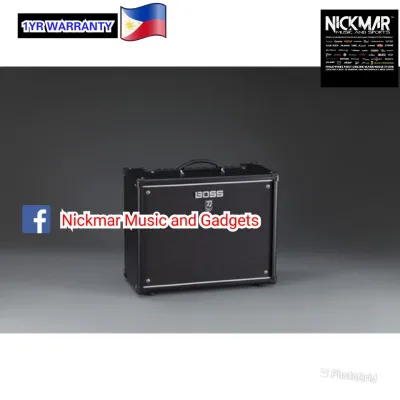
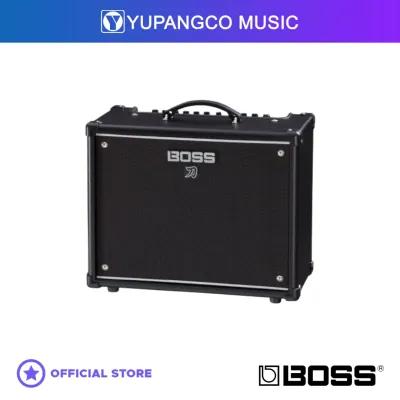
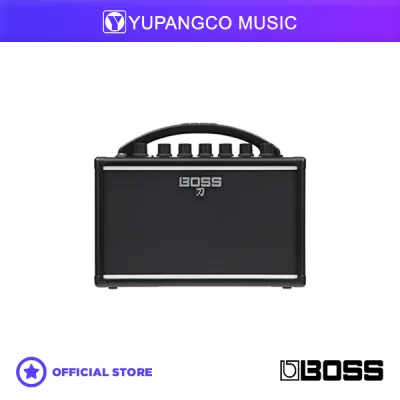
Prices are valid at publication and may change. Please refer to the product page for the latest price.

To make an informed decision, focus on three primary areas:
- Tone Generation: How the amplifier emulates classic sounds, whether through digital modeling, solid-state analog circuits, or hybrid designs.
- Physical Output: The speaker size, cabinet construction, and power scaling options that dictate where and how you can play.
- Ecosystem and Control: The software interface, built-in effects library, and physical connectivity options for recording or performing.
Amp Modeling, Effects, and Tone Shaping
Digital modeling has evolved significantly, offering players access to dozens of classic amp characters and effects in a single cabinet. The Boss Katana-100 utilizes proprietary digital processing to emulate various amplifier types, from clean acoustic tones to high-gain metal sounds. This approach provides a highly consistent tone regardless of your volume level, making it a reliable tool for diverse musical genres.
In contrast, some competing amplifiers leverage third-party software integrations or cloud-based libraries. These systems allow you to download user-created presets or official artist tones directly to your amplifier via a smartphone app. While this offers endless tonal variety, it also means your experience is highly dependent on the stability and longevity of the manufacturer’s mobile application.
When evaluating these systems, consider the physical control layout. Some players prefer having dedicated knobs on the amplifier’s top panel for immediate adjustments during a rehearsal. Others enjoy the deep, visual editing provided by a computer interface. If possible, test the amplifier in person at a local music store to hear how the digital emulation responds to your guitar’s volume knob and your unique playing dynamics.
Power Output, Speaker Configuration, and Volume Management
A 100-watt amplifier provides ample volume for rehearsals with a loud drummer and performances in small-to-medium venues. However, playing a high-wattage amplifier in a typical residential neighborhood or apartment in the Philippines can quickly lead to noise complaints. This is where power attenuation, or power scaling, becomes a vital feature.
The Katana-100 features a variable power control that allows you to scale the output down to lower wattages, such as 0.5 watts. This scaling preserves the saturated, driven tone of a cranked amplifier at whisper-quiet volumes. When comparing alternative models, verify if they offer similar physical power scaling or if they rely solely on a master volume control, which can sometimes make dialing in low volumes incredibly sensitive and frustrating.
Speaker configuration also plays a major role in your sound projection. A single 12-inch speaker (1×12) is the standard for this price range, offering a great balance of low-end response and portability. If you frequently transport your gear to gigs or rehearsals, pay close attention to the cabinet’s weight and materials. High humidity in tropical climates can affect certain cabinet materials over time, so storing your amplifier in a dry, well-ventilated area is highly recommended to prevent moisture damage to the speaker cone and wooden enclosure.
Connectivity, Audio Interfaces, and Software Ecosystems
Modern amplifiers are expected to do more than just make sound; they must integrate seamlessly with home recording setups and external hardware. A built-in USB audio interface allows you to connect the amplifier directly to your computer, turning it into a recording tool without the need for an external audio interface. This is highly convenient for capturing ideas or recording high-quality tracks at home.
Additionally, look for a dedicated effects loop (send and return jacks) on the back of the amplifier. An effects loop is essential if you plan to use external time-based pedals, such as delays, reverbs, or looper pedals. It allows you to place these effects after the amplifier’s internal preamp stage, preventing your delays and reverbs from becoming muddy or distorted when using high-gain amp models.
Finally, evaluate the companion software ecosystem. Manufacturers regularly release firmware updates that can add new features, fix bugs, or improve tone modeling. Before purchasing, visit the manufacturer’s website to confirm that their editing software is fully compatible with your computer’s current operating system. A robust, frequently updated software platform ensures your amplifier remains a valuable tool for years to come.
Decision Framework: Choosing Based on Your Playing Style
To narrow down your choices, align the amplifier’s strengths with your primary playing environment and musical goals.
Choose the Boss Katana-100 if:
- You need a reliable, stage-ready amplifier with a proven track record for live performances.
- You prefer a self-contained system with a massive library of built-in effects, reducing the need to buy external pedals.
- You value straightforward physical controls that allow you to make quick adjustments on stage without needing a mobile app.
- You require a dedicated effects loop to integrate your existing delay, reverb, or modulation pedals.
Choose a competing modeling amplifier if:
- You prefer a highly visual, app-based editing workflow with built-in wireless connectivity like Bluetooth or Wi-Fi.
- You want to easily access and download cloud-based user presets directly from your smartphone.
- You are looking for specific third-party software integrations or cabinet simulations that match your recording workflow.
Choose a traditional analog or low-wattage tube amplifier if:
- You strictly prefer the organic, dynamic response of physical vacuum tubes and natural power-amp saturation.
- You already own a comprehensive pedalboard and do not need built-in digital effects or amp modeling.
- You prefer a simple, plug-and-play setup without any software updates, firmware installations, or digital menus.
Pre-Purchase Verification and Buying Checklist
Before finalizing your purchase, take the time to verify several critical details to ensure a smooth ownership experience.
First, confirm the exact hardware generation of the amplifier. Manufacturers often release updated versions of the same model (such as MkII or Gen 3) that look similar but feature significant upgrades in processing power, connectivity, and speaker design. Double-check the product listing or physical label to ensure you are getting the specific version you want.
Second, prioritize purchasing from an authorized dealer in the Philippines. This ensures that your amplifier is covered by an official manufacturer warranty and that you have access to local service centers if repairs are ever needed. Buying from unauthorized parallel importers may save you money upfront, but it can leave you without support if the digital components encounter issues.
Third, budget for necessary accessories. While the amplifier itself is highly versatile, unlocking its full potential for live use often requires a multi-button footswitch (such as the GA-FC controller). These controllers are typically sold separately and can cost anywhere from ₱5,000 to ₱8,000. Factor this additional cost into your budget if you plan to switch channels and effects hands-free during performances.
Frequently Asked Questions (FAQ)
Do I need an external effects pedal if I buy a modeling amp like the Katana-100?
No, you do not strictly need external effects pedals. Modeling amplifiers like the Katana-100 come equipped with a vast library of built-in digital effects, including overdrives, distortions, delays, reverbs, and modulation effects. For many players, these built-in options are more than enough to cover any musical style. However, if you have a specific analog pedal that you love, or if you want to use a specialized looper pedal, you can easily connect them to the amplifier’s front input or use the dedicated effects loop on the back.
Can I use a 100-watt modeling amp for quiet bedroom practice?
Yes, you can comfortably use a 100-watt modeling amplifier for quiet home practice, provided it has built-in power attenuation or a high-quality master volume control. Features like power scaling allow you to drop the amplifier’s output down to a fraction of a watt (such as 0.5 watts). This reduces the physical volume to bedroom-friendly levels while maintaining the rich, saturated tone and dynamic feel of a cranked amplifier, making it ideal for practicing late at night without disturbing others.
Community discussion
Share your experience or ask a question. Comments are reviewed before publication.