
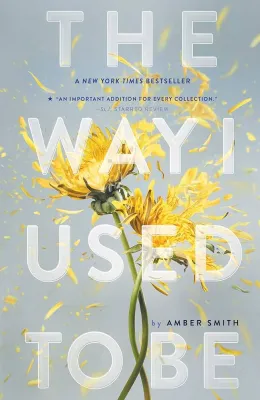
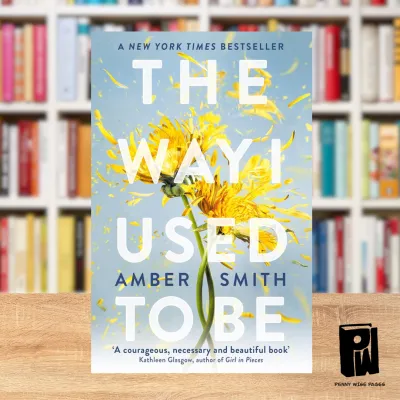
Finding books that mirror the emotional depth and raw honesty of The Way I Used to Be by Amber Smith requires looking for narratives that do not shy away from the painful realities of personal trauma, while also offering a realistic path toward healing. For readers in the Philippines navigating their own journeys or seeking deep, empathetic stories, literature serves as a vital mirror. The search for similar titles is often less about finding an identical plot and more about discovering books that treat the delicate process of recovery with the nuance, patience, and respect it deserves.
Young adult and contemporary fiction can articulate feelings that are otherwise difficult to express, especially in a culture where discussing mental health and personal trauma is gradually becoming more open but still carries personal hurdles. Engaging with these narratives allows readers to process complex emotions in a safe, controlled space. However, because these stories deal with intense themes, finding the right book requires a careful understanding of what makes The Way I Used to Be so impactful, alongside practical strategies for sourcing and reading these books safely.
Understanding the Core Themes to Look For
To find a book that resonates in the same way, it is helpful to break down the core thematic elements of Amber Smith’s novel. The story is defined by the immediate aftermath of trauma, the profound isolation that comes from keeping a painful secret, and the nonlinear nature of healing. Unlike stories that present a quick recovery, this narrative spans several years, showing that healing is a slow, often messy process marked by setbacks, anger, and confusion.
Products mentioned in this guide
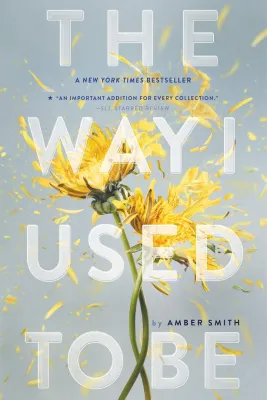
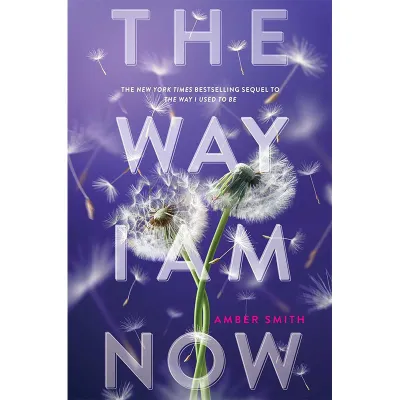

Prices are valid at publication and may change. Please refer to the product page for the latest price.
The protagonist’s age and the coming-of-age context play a massive role in shaping the narrative voice. Experiencing trauma during formative high school years alters how a young person navigates identity, friendships, romantic relationships, and academic pressures. When searching for similar books, look for stories where the protagonist’s internal growth is central, and where the writing captures the specific vulnerability of youth trying to find their footing in a world that feels suddenly unsafe.
Another critical element is the balance between dark realities and the eventual focus on recovery and agency. A compelling trauma narrative does not merely focus on the painful event itself; instead, it devotes significant space to how the character reclaims their life, makes choices, and rebuilds their sense of self. The goal is to find books that honor the difficulty of the struggle while ultimately pointing toward hope, self-compassion, and survival.
Criteria for Selecting Your Next Read
When choosing your next book, your emotional well-being should always come first. The most critical step is to check for comprehensive content warnings and trigger alerts. Many contemporary editions print these warnings on the copyright page, the back cover, or the author’s website. If you are purchasing a book online, take a moment to search community-led database websites that catalog specific triggers, ensuring you do not accidentally expose yourself to themes you are not yet ready to process.

Evaluate the pacing of the recovery arc in any potential read. Some novels employ a fast-paced plot where the resolution of trauma happens quickly or is tied directly to a romantic relationship. While these can be engaging, they may feel unrealistic or invalidating if you are looking for a deeper, more authentic portrayal of healing. Look for books that depict recovery as a long-term, daily effort, where the protagonist’s healing is independent of external validation or romantic rescue.
Consider how the narrative perspective affects your reading experience. First-person intimacy allows you to experience the protagonist’s thoughts, doubts, and emotional breakthroughs directly, which can foster deep empathy but may also feel incredibly intense. On the other hand, a third-person perspective provides a degree of emotional distance, allowing you to observe the character’s journey with a bit more breathing room. Decide which perspective aligns best with your current emotional capacity before starting a new book.
Widely Recognized Books Exploring Trauma and Healing
While no single book can perfectly replicate another, several widely recognized contemporary novels explore similar themes of survival, voice, and recovery. These titles serve as excellent starting points for readers looking to explore these complex emotional landscapes, though it is important to remember that each reader’s connection to a book is deeply personal.
Speak by Laurie Halse Anderson is a landmark young adult novel that shares a profound thematic connection with The Way I Used to Be. The story follows Melinda Sordino, who enters high school as an outcast after calling the police to bust an end-of-summer party. Unable to speak about the assault that occurred at the party, Melinda retreats into selective mutism, using her art class as a sole outlet for expression. The novel brilliantly captures the suffocating weight of keeping a secret and the slow, painful process of finding one’s voice and reclaiming agency.
Girl in Pieces by Kathleen Glasgow offers a raw, deeply moving look at the physical and emotional toll of trauma. The protagonist, Charlotte “Charlie” Davis, has lost almost everything and struggles with severe self-harm as a coping mechanism. The narrative does not sugarcoat the difficulties of psychiatric recovery, homelessness, or the exhausting work of rebuilding a life from scratch. It is a story about finding small pockets of hope, the importance of community, and the realization that healing is a continuous, daily choice.
Sadie by Courtney Summers presents a darker, suspenseful take on the aftermath of trauma and the pursuit of justice. Written in a dual-narrative format—alternating between Sadie’s relentless search for her sister’s killer and a true-crime podcast tracking Sadie’s disappearance—the book explores systemic neglect, grief, and the consuming nature of unresolved pain. While it leans more into the thriller genre, its exploration of a young woman’s fierce determination and the scars left by abuse resonates deeply with the themes of survival and reclaiming control.
Before purchasing any of these titles, readers must verify the specific edition, language options, and complete content warnings. Different publishers may include unique forewords, discussion guides, or resource lists that can significantly enhance or alter the reading experience.
Sourcing Physical and Digital Copies in the Philippines
For readers in the Philippines, finding these specific titles involves navigating both physical and digital retail spaces. Visiting physical bookstores in major cities allows you to browse shelves, feel the paper quality, and purchase books immediately. However, because niche or backlist young adult titles can have limited shelf space, local stock can be highly unpredictable, often requiring you to place a special order or visit multiple branches.
Online bookstores and local ecommerce platforms offer a much wider inventory, making it easier to compare prices in Philippine Pesos (₱) and locate specific editions. When shopping online, it is crucial to check seller ratings, read customer reviews, and inspect product photos to ensure you are purchasing authorized, high-quality editions rather than low-grade counterfeits. Additionally, verify the seller’s return policies, especially during the rainy season when packages are more susceptible to water damage during transit.
Format choice is another practical consideration. While paperbacks are highly popular and affordable, the tropical climate and high humidity in the Philippines can cause pages to yellow, warp, or develop mold over time if not stored in a cool, dry place. E-books and audiobooks are excellent alternatives that bypass physical storage issues entirely, offering instant access on compatible devices and allowing you to adjust font sizes or listen on the go, though they require a reliable internet connection for the initial download.
Managing Emotional Triggers During Your Reading Journey
Engaging with literature that explores personal trauma requires active self-care and emotional management. It is essential to set clear reading boundaries before you begin. You might decide to read only during the daytime, limit your reading to a specific number of pages per day, or designate a comfortable, well-lit space in your home specifically for reading, helping your mind separate the heavy themes of the book from your sleeping area.
Pairing a heavy, emotionally demanding book with a lighter, comforting read is a highly effective strategy. Alternating chapters or sections with a lighthearted contemporary romance, a cozy fantasy, or a humorous essay collection can give your mind a necessary break and prevent emotional exhaustion. If you find yourself feeling overwhelmed, anxious, or unable to shake the heavy mood of the book, place a bookmark inside, close the cover, and take a break for as long as you need.
Most importantly, remember that books are meant to foster empathy and understanding, but they cannot replace professional support. If a narrative triggers intense distress, persistent anxiety, or brings up unresolved personal trauma that interferes with your daily life, please prioritize your health. Reach out to a trusted friend, family member, or a qualified mental health professional in the Philippines who can provide the appropriate guidance and support.
Frequently Asked Questions (FAQ)
Are there non-fiction alternatives for trauma recovery?
Yes, non-fiction books offer a different, often more direct path to understanding and processing trauma. Memoirs written by survivors provide real-life perspectives on resilience and recovery, while psychology-based self-help books offer practical exercises, cognitive strategies, and scientific explanations of how trauma affects the brain and body. When selecting non-fiction self-help materials, it is important to verify the author’s professional credentials, look for endorsements from recognized mental health organizations, and check the publication date to ensure the information aligns with current, evidence-based practices.
How can I find local book clubs focused on healing literature?
Finding a local book club focused on healing or mental health literature can provide a supportive, shared environment to process heavy themes. You can search for active reading groups on social media platforms, check community bulletin boards in local independent bookstores, or look for events hosted by mental health advocacy groups in the Philippines. Participating in a moderated discussion allows you to share your insights, hear diverse perspectives, and feel less isolated, but always ensure the group maintains a respectful, safe, and non-judgmental atmosphere before actively participating.
Community discussion
Share your experience or ask a question. Comments are reviewed before publication.