
Finding stories that capture the raw emotional intensity, sensory atmosphere, and deep introspection of the call me by your name book requires looking beyond standard romance formulas. André Aciman’s celebrated novel resonates because it is less about plot mechanics and more about the vivid, aching experience of first love, self-discovery, and the passage of time. If you are seeking books with a similar literary weight, your search should focus on character-driven narratives, evocative settings, and lyrical prose.
This literary journey can be explored through two distinct but equally powerful avenues: international English literary fiction and contemporary Tagalog novels. Each language offers its own unique cultural textures, allowing you to experience the universal themes of desire, identity, and nostalgia through different linguistic lenses. By understanding what makes this style of writing so compelling, you can make an informed decision on what to add to your reading list next.
Deconstructing the Appeal of Call Me by Your Name
To find a worthy follow-up to André Aciman’s work, you must first understand the specific narrative and stylistic elements that make it so memorable. At its core, the call me by your name book is built upon three primary thematic pillars: the intersection of coming-of-age and queer romance, the intensity of fleeting but transformative emotional bonds, and the lifelong journey of self-discovery. The romance between Elio and Oliver is not a static love story; it is a catalyst that permanently alters how the protagonist understands himself and the world around him. This transformative quality is what elevates the novel from a simple romance to a profound work of literary fiction.
Products mentioned in this guide


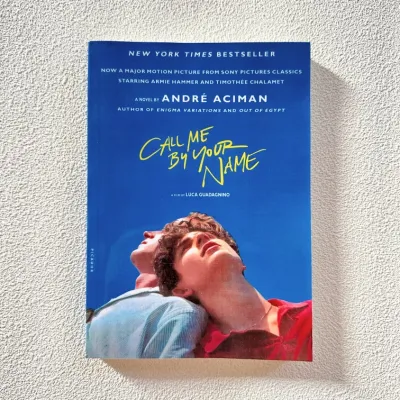
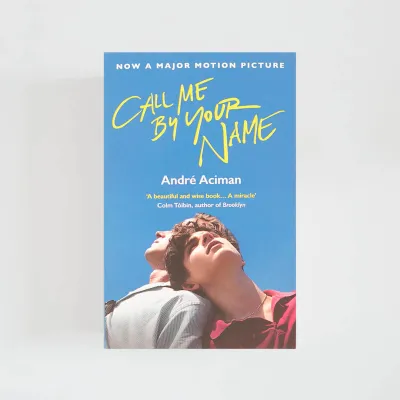
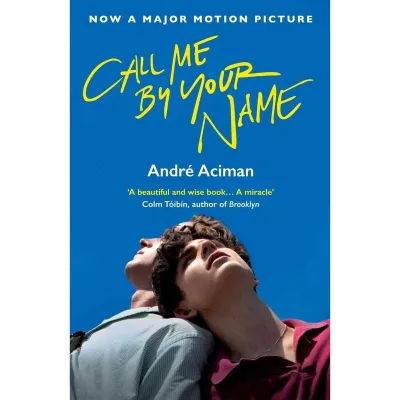

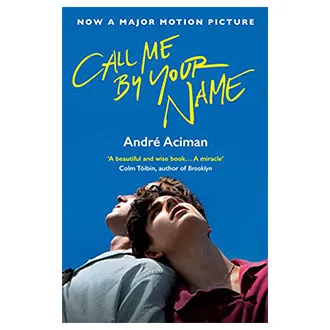
Prices are valid at publication and may change. Please refer to the product page for the latest price.
Stylistically, the book is defined by its highly introspective, stream-of-consciousness prose. The narrative voice is deeply internal, capturing the obsessive, anxious, and ecstatic thoughts of a young person experiencing first love. This psychological depth is paired with an atmospheric, almost character-like setting. The sun-drenched, languid summer environment of Northern Italy in the 1980s is not merely a backdrop; it actively shapes the characters’ behavior, heightening their sensory experiences and creating a sense of suspended time. The heat, the ripe fruit, the quiet countryside, and the slow afternoons all contribute to the feeling of a fleeting oasis.
By identifying these specific elements—rather than just looking for general romance books—you can target literary works that offer a similar emotional and stylistic resonance. Whether you are browsing English titles or exploring the rich landscape of Tagalog literature, keeping these pillars in mind ensures you find books that honor the complexity of human emotion and the beauty of the written word.
Core Themes to Guide Your Next Literary Romance
When searching for your next read, translating the abstract appeal of Aciman’s novel into actionable themes can streamline your decision-making process. By focusing on specific literary tropes and structural elements, you can easily evaluate book blurbs, reviews, and publisher descriptions to find a matching tone.

Coming-of-Age and Identity Exploration
A key marker of this style of fiction is a narrative where the central romance is inextricably linked to the protagonist’s personal growth and shifting worldview. The love story should not exist solely for romantic satisfaction; instead, it must serve as a mirror that forces the characters to confront their desires, fears, and identities. As you read book descriptions, look for stories that emphasize a character’s internal evolution, their transition from youth to adulthood, and the complex process of self-actualization. The most compelling literary romances are those where the ending leaves the protagonist fundamentally changed, possessing a deeper, albeit sometimes painful, understanding of themselves.
Atmospheric and Evocative Settings
You should also prioritize books where the environment acts as a catalyst for the romance and mirrors the characters’ internal states. A well-crafted setting can evoke a powerful sense of nostalgia and intimacy. Look for novels set during specific seasons, such as a sweltering summer or a quiet, isolated winter, where the weather and geography play an active role in the narrative. Whether it is a quiet rural province, a sleepy coastal town, or a vividly described historical city, the setting should feel tactile and sensory. The prose should make you feel the humidity in the air, hear the rustle of the leaves, and sense the physical space the characters occupy.
Lyrical Prose and Emotional Depth
Finally, direct your attention toward literary fiction that values poetic language, nuanced character studies, and internal emotional landscapes over fast-paced, plot-driven tropes. In these books, the silence between characters is often just as important as their dialogue. The writing style should be introspective, allowing you to dwell within the protagonist’s thoughts and feel the weight of their unspoken desires. Prioritize authors who take their time developing tension and who use language to paint vivid emotional portraits, ensuring that the reading experience itself feels artistic and deeply moving.
How to Find English Literary Romances with Similar Tones
Finding English literary fiction that matches the emotional depth and stylistic qualities of André Aciman’s work requires a targeted search strategy. Because the commercial romance genre is vast and highly varied, using precise literary terms will help you filter out formulaic plots and locate character-driven masterpieces.
To begin, direct your search toward specific subgenres that naturally align with these themes. Excellent starting points include “queer coming-of-age literary fiction,” “lyrical contemporary romance,” and “introspective character studies.” These categories prioritize psychological realism, artistic prose, and complex relationship dynamics. When browsing online databases, literary blogs, or physical bookstore shelves, look for books categorized under literary fiction rather than general commercial fiction, as this distinction usually indicates a greater focus on style and thematic depth.
You can also teach yourself to scan book descriptions and literary reviews for key signal words that indicate a matching tone. Words like “aching,” “nostalgic,” “visceral,” “atmospheric,” “wistful,” “introspective,” and “character-driven” are strong indicators of a book that shares the emotional DNA of the call me by your name book. Conversely, descriptions that emphasize high-stakes external drama, rapid pacing, or clean-cut romantic tropes may not deliver the lyrical, slow-burn experience you are seeking.
To ensure a book meets your expectations before you commit to a purchase, use this simple verification checklist:
- Research the author's background: Check if the author has a history of writing literary fiction, essays, or poetry, which often translates to a highly refined prose style.
- Look for literary recognition: See if the book has been nominated for or won prestigious awards, such as the Booker Prize, the Women's Prize for Fiction, or the Lambda Literary Awards, which celebrate excellence in queer literature.
- Read a sample chapter: Most online book retailers and publisher websites offer a preview of the first few pages. Use this to evaluate the sentence structure, rhythm, and tone of the writing.
For readers in the Philippines, a crucial final step is pre-purchase verification. Because international publishing rights vary, you must verify the specific edition, language, and format before buying. Determine whether you want a physical paperback, a durable hardcover for your personal library, an e-book for your digital reader, or an audiobook. Always check the regional availability of the title through authorized local distributors or official publisher channels to ensure you are purchasing a complete, authorized copy that supports the creators.
Discovering Tagalog Literary Fiction with Deep Emotional Resonance
If you want to experience deep emotional resonance within a distinct cultural context, exploring the local literary landscape of the Philippines is highly rewarding. Tagalog literary fiction offers a unique and profound approach to romance, identity, and personal growth, often blending intimate love stories with broader social, familial, or historical realities.
In Philippine literature, personal relationships rarely exist in a vacuum. A Tagalog literary romance often captures the intense negotiation between individual desire and the heavy weight of societal expectations, familial duties, or cultural traditions. This intersection creates a different, yet equally poignant, form of emotional tension. The longing and introspection found in these stories are deeply grounded in the realities of Filipino life, making the characters’ journeys feel incredibly close to home.
To discover these narratives, look for contemporary Filipino literary fiction that explores LGBTQ+ themes, complex relationships, and self-actualization. A significant portion of high-quality literary fiction in the Philippines is published by local university presses, such as the University of the Philippines (UP) Press, Ateneo de Manila University Press, and the University of Santo Tomas (UST) Publishing House. These academic publishers are dedicated to preserving and promoting literary works that push artistic boundaries and offer deep social commentary. Additionally, independent local publishers frequently champion fresh, diverse voices in the contemporary literary scene.
Identifying high-quality local literary fiction involves looking at specific markers of prestige and curation:
- Check local literary awards: The Carlos Palanca Memorial Awards for Literature and the National Book Awards are excellent guides for finding outstanding Filipino writing.
- Browse curated local selections: Visit independent physical bookstores that specialize in local literature, as their staff often curate highly thoughtful selections of contemporary Filipino novels.
- Follow established local authors: Look for writers known for their character-driven, introspective prose and their ability to capture the nuances of modern Filipino identity.
When sourcing Tagalog or Taglish books, keep this specific buying checklist in mind to ensure the book matches your reading preferences:
- Verify the language style: Determine whether the book is written in formal, deep Tagalog (makatang Tagalog), which offers a poetic and classical feel, or in conversational Taglish and contemporary colloquial Filipino, which reflects modern daily life.
- Check the publication year: Understanding when the book was written provides essential context for the social and cultural themes explored in the story.
- Confirm stock availability: Because print runs for local literary fiction can be relatively small, verify stock directly through official university press storefronts, reputable independent bookshops, or authorized online distributors to secure a legitimate copy.
How to Choose Your Next Book Based on Your Reading Mood
Selecting your next literary read is ultimately a matter of matching a book’s tone and cultural context to your current emotional state and reading goals. Because English and Tagalog literary romances offer distinct reading experiences, you can use a simple mood-based matrix to guide your decision.
If you are seeking nostalgic, sun-drenched escapism, universal coming-of-age themes, and a sense of aesthetic distance, you should lean toward English literary romances or translated international fiction. These books are ideal when you want to lose yourself in an unfamiliar, highly romanticized setting—like a European summer or a historic coastal town—where the focus is on the slow, poetic development of intimacy.
On the other hand, if you are seeking deep, culturally grounded emotional resonance, social realism, and highly relatable local nuances, modern Tagalog literary fiction is the perfect choice. These stories resonate deeply because they capture the specific textures of life in the Philippines—the heavy humidity of a tropical rainy afternoon, the warmth and pressure of close-knit families, and the unique vocabulary of Filipino longing. Reading these works offers a powerful sense of recognition and a profound exploration of identity within a familiar cultural framework.
There is immense value in mixing both languages in your reading routine. Alternating between English and Tagalog novels allows you to experience how different languages shape the expression of universal human experiences like first love, heartbreak, and self-acceptance. While English prose often excels at a flowing, lyrical intellectualism, the poetic depth of Tagalog can convey an emotional weight and intimacy that feels uniquely direct and visceral.
When you are ready to source these literary works, make a conscious effort to support local Philippine bookstores, independent publishers, and local authors. Choosing to buy from authorized local channels not only ensures you receive high-quality, complete editions but also helps sustain the vibrant literary community in the Philippines, allowing more diverse and beautiful stories to be told.
Frequently Asked Questions (FAQ)
Where can I buy English and Tagalog literary fiction in the Philippines?
To find authorized copies of both international and local literary fiction, you should explore a mix of major local bookstore chains, independent literary shops, and university presses. Major physical chains often carry popular English literary titles, while independent bookshops and university press storefronts are the best sources for contemporary Tagalog novels, poetry, and niche indie publications. Before making a purchase, always verify the edition, publisher, and seller status to ensure you are buying a legitimate copy rather than an unauthorized reprint.
Are there official Tagalog translations of Call Me by Your Name?
As of 2026, there is no official Tagalog translation of André Aciman’s Call Me by Your Name. To monitor any future translation releases, you can check the official catalogs of prominent local publishers or search the database of the National Book Development Board of the Philippines. Because translation rights are strictly regulated, official translated editions depend entirely on licensing agreements. In the meantime, readers looking for similar themes are encouraged to explore original Tagalog literary works that offer equally deep explorations of queer identity, youth, and desire.
Community discussion
Share your experience or ask a question. Comments are reviewed before publication.