
The Biblia ng Sambayanan stands out from other Filipino Bible translations primarily through its pastoral focus, pairing a highly accessible modern Tagalog text with extensive, practical commentary designed for daily reflection and community sharing. Unlike traditional versions that prioritize formal, word-for-word accuracy or purely academic footnotes, this translation is structured to help ordinary readers connect sacred texts directly to their daily lives and social realities. By integrating these pastoral explanations directly alongside the scriptures, it serves as both a liturgical tool and a guide for community-based study, making it distinct from more standard translations like the Magandang Balita Biblia or the classic Ang Dating Biblia.
Core Translation Philosophies Compared
To understand how these Bibles differ, look at the spectrum of translation theories, ranging from formal equivalence to dynamic equivalence. Formal equivalence, or a word-for-word approach, matches the original Hebrew, Aramaic, and Greek source texts as closely as possible in grammatical structure and vocabulary. Conversely, dynamic or functional equivalence focuses on a thought-for-thought approach, translating the original meaning into natural, modern idioms of the target language so contemporary readers experience the same impact as the original audience.
In Filipino translations, Ang Dating Biblia sits firmly on the formal equivalence side. First published in the early twentieth century, its translators mirrored the syntax of the original languages and older Spanish and English versions, resulting in a highly literal but structurally complex Tagalog text. In contrast, the Magandang Balita Biblia, produced by the Philippine Bible Society, is a prime example of dynamic equivalence. It prioritizes clarity and natural flow, translating ancient idioms into modern Tagalog expressions that are immediately understandable to a wide audience.
Products mentioned in this guide
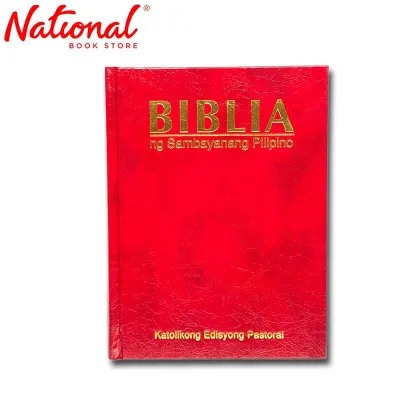
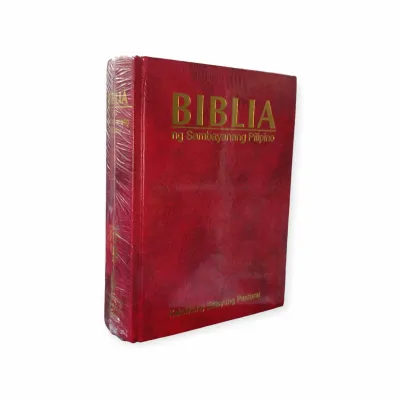
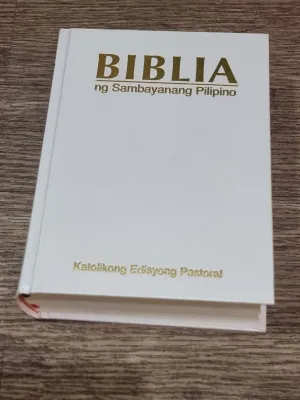
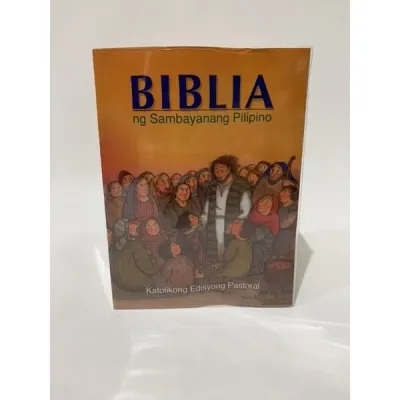
Prices are valid at publication and may change. Please refer to the product page for the latest price.
The Biblia ng Sambayanan occupies a unique space that leans toward dynamic equivalence but is heavily shaped by a pastoral translation philosophy. Rather than focusing solely on linguistic equivalence, its translators designed the text to be easily understood when read aloud in community gatherings. To verify these underlying philosophies yourself, check the preface, foreword, or introductory pages of the specific edition you are holding. These sections detail the source texts used by the editorial team, their theological objectives, and the linguistic guidelines they followed.
A practical way to observe these differences firsthand is to compare a well-known passage, such as John 3:16 or Psalm 23, across all three versions. In Ang Dating Biblia, you will encounter complex sentence structures and older grammatical markers that require careful parsing. In Magandang Balita Biblia, the same verse will read smoothly, using contemporary sentence structures that flow naturally in modern speech. When reading the Biblia ng Sambayanan, you will notice a similar modern clarity, but it is often accompanied by extensive marginal notes and commentary at the bottom of the page, which immediately contextualize the verse within a broader pastoral and spiritual framework.
Language Style, Register, and Readability
The linguistic tone and vocabulary of a Bible translation directly affect how easily you can engage with the text during long reading sessions. Ang Dating Biblia utilizes a formal, classical register of Tagalog that features archaic words and grammatical constructions seldom heard in modern daily life. Words like talastasin (to know or understand) or magsisampalataya (will believe) lend the text a majestic, historical, and deeply solemn tone, but they can pose a significant barrier to younger readers or those who did not grow up speaking formal Tagalog.

Conversely, both the Magandang Balita Biblia and the Biblia ng Sambayanan employ modern, conversational Tagalog that aligns with the register used in contemporary schools, media, and daily conversations. The sentence structures are shorter, the vocabulary is active, and the phrasing avoids overly complex clauses. This modern register significantly reduces cognitive fatigue, making these translations highly suitable for extended personal reading, family devotions, or public proclamations where immediate comprehension is vital.
When evaluating these Bibles, pay close attention to how they handle regional idioms, cultural adaptations, and liturgical terminology. Because the Biblia ng Sambayanan was developed with a strong pastoral and liturgical focus, it incorporates terms and phrasing that align closely with the liturgical traditions of the Catholic Church in the Philippines. For instance, names of biblical figures, books, and specific theological concepts are translated using terms familiar to churchgoers. On the other hand, the Magandang Balita Biblia is an ecumenical translation designed to be used across various Christian denominations, meaning it carefully selects neutral vocabulary that avoids distinct sectarian preferences, ensuring broad acceptability.
Target Audience and Practical Use Cases
Matching a Bible translation to your specific reading environment ensures that the text serves its intended purpose effectively. For public reading and liturgical services, the rhythm and formal register of the text are paramount. The Biblia ng Sambayanan is specifically optimized for liturgical proclamations and group study within parish communities. Its language is crafted to sound natural when spoken aloud in a large hall, and its layout often highlights passages commonly used in weekly services, making it an excellent companion for lay ministers, catechists, and liturgical planners.
For personal devotion, youth ministry, or those new to reading the scriptures, readability and modern phrasing are usually the top priorities. In these contexts, the Magandang Balita Biblia shines due to its highly accessible, ecumenical language that requires no specialized theological background to understand. It allows younger readers and new believers to grasp the narrative flow of scripture without getting bogged down by unfamiliar ecclesiastical terms. Meanwhile, Ang Dating Biblia remains a preferred choice for academic study, traditional devotions, or readers who appreciate the poetic, classical beauty of early twentieth-century Tagalog literature.
Before finalizing your choice, verify denominational endorsements, ecumenical approvals, or specific pastoral notes on the copyright and title pages of the Bible. For example, Catholic readers often look for the Imprimatur and Nihil Obstat declarations, which indicate that the translation and its accompanying commentary have been reviewed and found free of doctrinal error. The Biblia ng Sambayanan carries these official approvals, along with extensive commentary written from a pastoral perspective. Ecumenical translations like the Magandang Balita Biblia carry endorsements from a broad coalition of church leaders, making them highly versatile for interdenominational study groups.
Decision Framework: Which Filipino Bible Should You Read?
To choose the right translation for your spiritual journey, consider this structured decision framework based on your primary reading goals and community context:
Choose the Biblia ng Sambayanan if:
- You prefer a translation that includes extensive, practical commentary and pastoral reflections directly on the same page as the scripture text.
- You are active in Catholic parish ministries, basic ecclesial communities, or liturgical planning, and require a text that aligns with local liturgical usage.
- You appreciate a modern, highly readable Tagalog register designed for both personal reflection and reading aloud in group settings.
Choose the Magandang Balita Biblia if:
- You want a highly accessible, modern, and easy-to-read translation for daily devotions, youth ministry, or ecumenical study groups.
- You prefer a text that focuses purely on the biblical narrative without extensive denominational commentary or theological footnotes.
- You require a widely accepted, standard translation used across various Christian traditions in the Philippines.
Choose Ang Dating Biblia if:
- You enjoy classical, formal, and poetic Tagalog literature and prefer a traditional linguistic tone for your personal prayers.
- You are conducting comparative or academic studies and require a formal equivalence (word-for-word) translation in the Tagalog language.
- You are already familiar with older Protestant liturgical traditions that historically utilized this classic text.
Verify first if:
- The specific edition you are purchasing contains the exact supplementary materials you need, such as maps, cross-references, a concordance, or a thematic index.
- The physical format of the Bible suits your lifestyle; for instance, if you live in a highly humid tropical climate, verify if the cover material is durable enough to resist moisture and wear over years of daily use.
Frequently Asked Questions (FAQ)
Where can I buy or access these Filipino Bible translations?
You can find physical copies of these Filipino Bible translations at official religious bookstores, local parish offices, and authorized church supply shops throughout the Philippines. Many established publishers also maintain official storefronts on major online marketplaces, allowing you to purchase genuine editions directly from the comfort of your home. When buying online, always verify that the seller is an authorized religious publisher or distributor to ensure you receive a complete, high-quality print. Additionally, because the tropical climate in the Philippines can expose books to high humidity, consider investing in a protective Bible cover or storing your physical copy in a dry, well-ventilated space to prevent page yellowing and cover deterioration.
If you prefer digital reading, you can access these translations through official Bible applications and recognized publisher websites. Many of these platforms offer free access to the text, allowing you to compare different versions side-by-side on your smartphone or tablet. Always verify that you are using an official app or a verified digital portal rather than an unauthorized aggregator, as unofficial sources may contain typographical errors, formatting issues, or incomplete texts that can disrupt your reading and study.
Do these translations include study notes and cross-references?
It is important to distinguish between the base translation of the biblical text and the supplementary study materials included in specific editions. The core translation philosophy—whether formal, dynamic, or pastoral—applies directly to how the original Hebrew and Greek words are rendered into Tagalog. Study notes, historical introductions, cross-references, and theological commentaries are separate elements added by editorial committees to help readers interpret the text.
While the Biblia ng Sambayanan is famous for its integrated pastoral commentary, other translations like the Magandang Balita Biblia and Ang Dating Biblia are available in both simple text-only editions and specialized study editions. Before making a purchase, always check the product description, the edition name, or the physical book features to confirm whether it includes the specific study aids you require. Checking the table of contents or the introduction will help you verify if the supplementary notes align with your personal learning goals or theological perspective.
Community discussion
Share your experience or ask a question. Comments are reviewed before publication.