
Starting your financial journey as a young adult in the Philippines can feel like navigating a complex maze. With entry-level salaries often stretched thin by rising living costs, finding a reliable roadmap to build wealth is essential. If you are searching for a true “pera lumilikha ng pera book”—a guide that teaches you how to make your money work for you rather than the other way around—the literary world offers several timeless masterpieces. By studying foundational texts on behavioral finance, asset building, and automated systems, you can shift from living paycheck-to-paycheck to establishing a robust financial foundation that lasts a lifetime.
How to Choose the Right Finance Book for Your Goals
Before purchasing any personal finance book, you must identify your current level of financial literacy and your specific goals. As a young adult in the Philippines with little to no prior investing experience, diving straight into advanced textbooks on stock valuation or derivative trading will likely lead to frustration. Instead, focus on books that target foundational concepts—such as budgeting, overcoming consumer debt, and understanding the basic mechanics of interest. The goal is to build a solid framework of understanding before attempting complex investment strategies.
You should also evaluate the book’s reading complexity, language, and format to match your learning preferences. Many globally recognized personal finance books are written in English, which is widely accessible to Filipino readers, but they may use technical jargon that requires a dictionary nearby. If you prefer a more conversational tone, look for books that explain financial concepts using simple analogies. Additionally, consider whether a physical book, an e-book, or an audiobook fits your lifestyle. Physical books are excellent for active studying and highlighting, while e-books and audiobooks offer convenience during long commutes on the MRT or in traffic.
Products mentioned in this guide
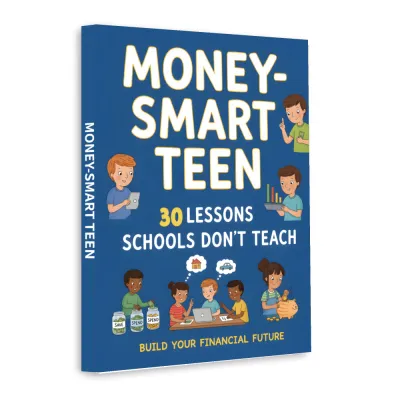
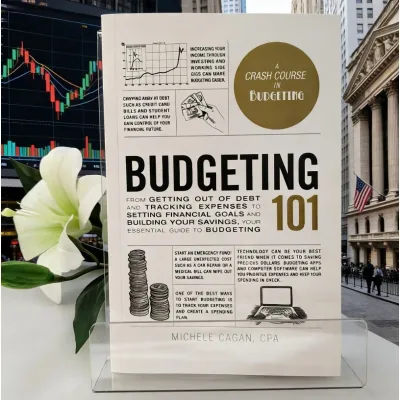
Prices are valid at publication and may change. Please refer to the product page for the latest price.
Another critical step is verifying the author’s background and credentials. In the digital age, self-proclaimed financial gurus frequently publish self-help books that promise rapid wealth with minimal effort. To protect your hard-earned money, prioritize books written by certified financial planners, experienced economists, or authors with a proven track record of ethical financial education. Check if the author’s advice is grounded in verified financial principles, such as diversification and compound interest, rather than speculative get-rich-quick schemes that carry immense risk.
Finally, pay close attention to the publication date of the book you are considering. While core psychological principles of saving and spending remain timeless, specific financial products, tax laws, and investment regulations evolve rapidly. A book written in the early 2000s might reference outdated tax structures or obsolete investment vehicles that do not apply to today’s financial landscape. Always check the copyright page to ensure that the strategic advice you are reading is still relevant, or prepare to research how those older concepts translate to modern financial instruments.
Top Book Recommendations for Beginners: Finding Your Pera Lumilikha ng Pera Book
Best for Financial Mindset: The Psychology of Money
Morgan Housel’s The Psychology of Money is an indispensable read for anyone starting their financial journey because it redefines what it means to be successful with money. The core premise of the book is that doing well with money is not necessarily about what you know; it is about how you behave. Housel argues that financial success is driven by behavioral finance and emotional control rather than raw mathematical intelligence or complex formulas. For young adults who might feel intimidated by spreadsheets and stock charts, this book offers a refreshing perspective by focusing on the human element of wealth creation.

This book is exceptionally well-suited for beginners due to its highly accessible structure. It is organized into 19 short, standalone chapters, each presenting a specific narrative or case study that illustrates a key financial behavior. This format allows you to digest profound concepts—such as the difference between being rich and being wealthy, or the power of compounding—in small, manageable sessions. You do not need any prior financial knowledge to appreciate the lessons, making it an ideal starting point for building a healthy relationship with your finances.
However, readers must be aware of the book’s limitations when applying its lessons locally. The examples and historical case studies Housel uses are heavily US-centric, relying on the history of the American stock market, US economic cycles, and Western cultural norms. While the psychological principles are universally applicable, the specific historical returns and market behaviors described may not directly map to the local Philippine market conditions. You should focus on absorbing the behavioral lessons rather than expecting the exact economic trajectories to replicate in a developing market.
When purchasing The Psychology of Money, it is crucial to exercise caution to ensure you receive a legitimate copy. Because of its global popularity, counterfeit and poorly printed pirated editions are widespread in online marketplaces. Before buying, verify the edition details, check the publisher’s logo (typically Harriman House or Portfolio Penguin), and purchase only from authorized, reputable sellers. Investing in an authentic copy ensures you get the complete, unabridged text without frustrating typos, missing pages, or illegible print quality.
Best for Asset Building Basics: Rich Dad Poor Dad
If you are searching for a classic “pera lumilikha ng pera book” that fundamentally changes how you view income and expenses, Robert Kiyosaki’s Rich Dad Poor Dad remains a powerful catalyst. The book directly addresses the desire to make money create more money by teaching the fundamental difference between assets and liabilities. Kiyosaki defines an asset simply as something that puts money into your pocket, while a liability is something that takes money out of your pocket. This simple yet revolutionary distinction helps young professionals look beyond their monthly salary and focus on building a portfolio of income-generating vehicles.
The core lesson of the book centers on shifting your mindset from working for a salary to acquiring assets that generate passive income. Kiyosaki uses the narrative of his two “dads” to contrast the traditional mindset of studying hard to get a secure job with the wealth-building mindset of owning businesses and investments. For a young Filipino starting out in their career, this book serves as an eye-opening introduction to financial independence, urging you to break free from the “rat race” of living paycheck-to-paycheck.
Despite its motivational power, Rich Dad Poor Dad has significant limitations that require a critical eye. Much of the specific tactical advice, particularly regarding real estate investing, tax loopholes, and corporate structuring, is highly specific to the United States legal system and is outdated. These strategies are not legally applicable in the Philippines without significant adaptation, and attempting to replicate them blindly could lead to legal or financial trouble. Furthermore, some of the author’s contrarian views on formal education and traditional employment must be balanced with the realities of the local job market.
To get the most value from this book, you should focus on extracting the foundational mindset shifts while critically evaluating the specific tactical advice. Use the book to understand the importance of cash flow, financial literacy, and asset accumulation. When it comes to taking action, replace Kiyosaki’s specific US real estate examples with local, regulated investment opportunities that align with Philippine laws and market realities.
Best for Actionable Systems: I Will Teach You to Be Rich
For young professionals who want a highly practical, step-by-step system for managing their first salaries, Ramit Sethi’s I Will Teach You to Be Rich is an outstanding resource. The core premise of the book is built around creating automated financial systems that handle your saving, investing, and bill payments automatically, leaving you with guilt-free money to spend on the things you love. Sethi rejects the traditional, restrictive approach to budgeting that focuses on cutting out minor pleasures like daily coffee, advocating instead for “conscious spending” where you cut costs mercilessly on things you do not care about to spend extravagantly on things you do.
This practical approach provides immense value for young adults who are learning to manage their first steady income. The book is structured as a six-week program, offering clear, actionable steps for each week, such as setting up high-yield accounts, negotiating bills, and automating transfers. This systematic roadmap demystifies the day-to-day management of personal finance, turning what often feels like a stressful chore into an automated background process that requires minimal monthly maintenance.
The primary limitation of Sethi’s book is its heavy reliance on the financial infrastructure of the United States. The chapters detail specific American banking institutions, credit card reward systems, and retirement accounts like the 401(k) and Roth IRA. These specific recommendations are non-functional for readers living outside the US, meaning you cannot implement the exact steps as written.
To successfully adapt Sethi’s framework, you must apply his automation and conscious spending principles using local Philippine financial tools. Replace the recommended US banks with local digital banks that offer competitive high-yield savings interest rates. Utilize the auto-transfer and scheduled payment features of local digital wallets and online banking apps to automate your savings. By focusing on the underlying system of automation rather than the specific American financial products, you can build a highly efficient money-management system tailored to the local landscape.
Adapting Global Money Concepts to the Philippine Context
To successfully bridge the gap between foreign financial literature and local economic realities, you must learn to translate international wealth-building concepts into their Philippine equivalents. When foreign authors discuss saving for retirement using tax-advantaged accounts like a 401(k) or a Roth IRA, you should map these concepts directly to local options. In the Philippines, your primary equivalents include the Pag-IBIG MP2 (Modified Pag-IBIG II) program, voluntary contributions to the Social Security System (SSS), and the Personal Equity and Retirement Account (PERA). The Pag-IBIG MP2 program, for instance, offers tax-free dividends and is backed by the government, making it an excellent, low-risk vehicle for young Filipinos looking to grow their savings.
Another area requiring careful localization is the size and structure of your emergency fund. While Western financial books standardly recommend saving “3 to 6 months of living expenses,” you must adjust this rule to fit the socio-economic conditions of the Philippines. Factor in local living costs, job market stability in your specific industry, and the common cultural expectation of family support structures. In many Filipino households, young professionals often serve as financial safety nets for their extended families. If you have dependents or contribute to household expenses, you may need to target a larger emergency fund—closer to 6 to 9 months of expenses—to ensure true financial security.
Furthermore, you must evaluate saving and investing strategies against local inflation and interest rates. Traditional savings accounts in major Philippine banks often offer interest rates well below 1%, which means your money actively loses purchasing power over time due to inflation. To combat this, look into local digital banks and high-yield savings accounts that offer significantly higher interest rates. These digital platforms provide a safe, regulated environment to earn better yields on your cash reserves, helping you preserve the value of your emergency fund while maintaining liquidity.
Finally, exercise extreme caution before directly copying foreign stock-picking or real estate strategies. Western authors often advocate for low-cost index funds tracking the S&P 500 or aggressive real estate flipping. While investing in global markets is increasingly accessible to Filipinos through local brokerages and feeder funds, you must understand local tax laws, Securities and Exchange Commission (SEC) regulations, and the liquidity constraints of the Philippine Stock Exchange (PSE). Real estate transactions in the Philippines involve unique costs such as capital gains tax, documentary stamp tax, and transfer fees that can heavily impact your returns. Always research local regulations and market dynamics before committing capital to any investment strategy.
Where to Buy Authentic Finance Books in the Philippines
Acquiring legitimate, high-quality copies of your chosen finance books is essential for a complete and uninterrupted reading experience. In the Philippines, the most reliable way to purchase authentic physical books is through established, authorized brick-and-mortar retailers. National Book Store and Fully Booked are the leading bookstore chains in the country, offering guaranteed authentic copies sourced directly from international publishers. Visiting these physical stores allows you to browse the personal finance section, inspect the physical quality of the books, and ensure you are buying authorized editions.
If you prefer the convenience of online shopping, you must navigate e-commerce platforms with care. Only purchase books from the official flagship stores or authorized distributors on major online marketplaces. Be highly suspicious of listings that offer popular paperbacks at unusually low prices, such as ₱50 to ₱150. These listings almost always sell counterfeit, pirated reprints characterized by smudged ink, thin paper, missing chapters, and poor binding that falls apart after a single reading. Reading pirated materials not only deprives authors of their rightful earnings but also risks exposing you to incomplete or altered financial advice.
For those who prefer digital formats, purchasing e-books or audiobooks directly from official, recognized digital storefronts is the best practice. Platforms such as Amazon Kindle, Rakuten Kobo, Apple Books, and Google Play Books offer secure, authorized digital editions of personal finance classics. For audiobooks, services like Audible or Google Play provide high-quality recordings narrated by the authors or professional voice actors. Avoid downloading unauthorized PDFs from unverified websites, as these files often contain formatting errors, lack critical updates, and can expose your devices to security vulnerabilities or malware.
To verify the authenticity of a physical book you have purchased, perform a quick quality check. Legitimate books feature high-quality, crisp print with consistent ink density across all pages. Inspect the binding; authentic books are bound securely with professional adhesives or stitching, whereas counterfeits often have unevenly glued edges that crack easily. Additionally, check the cover for high-resolution graphics and verify that the publisher’s logo, ISBN bar code, and copyright page details match the official publication data. Taking these steps ensures that your investment in financial education is built on complete and accurate information.
Frequently Asked Questions (FAQ)
Are there good finance books written in Tagalog?
Yes, the market for local financial literacy materials is growing steadily. While globally recognized classics are predominantly published in English, several certified local financial planners, registered non-governmental organizations (NGOs), and government agencies publish excellent resources in Tagalog or Taglish. These local materials are highly valuable because they directly address the unique financial challenges faced by Filipinos, such as managing remittances, navigating local bank products, and understanding domestic investment options. When choosing local books, always verify the author’s professional credentials and ensure the material is educational rather than a disguised promotion for unregistered investment schemes.
Should I buy physical books or digital versions?
The choice between physical and digital formats depends on your personal reading habits and study preferences. Physical books are highly beneficial for foundational finance guides because they allow you to easily highlight key passages, write notes in the margins, and quickly flip back to reference specific charts or tables. On the other hand, digital versions offer unmatched portability, instant delivery, and the ability to adjust text size for comfortable reading on smartphones, tablets, or e-readers. A highly effective hybrid approach is to purchase digital versions for your initial reading and invest in high-quality physical copies for the core reference books you plan to consult repeatedly throughout your financial journey.
Community discussion
Share your experience or ask a question. Comments are reviewed before publication.