
Protecting your ukulele in the Philippines requires more than just a simple cover; it demands a thoughtful solution tailored to local environmental challenges. The country’s tropical climate, characterized by intense humidity, sudden downpours, and high temperatures, presents unique risks to wooden musical instruments. Whether you are navigating a crowded jeepney in Manila, walking through a sudden afternoon monsoon, or storing your instrument in an air-conditioned room, the right ukulele bag case serves as the primary line of defense against physical impact, moisture, and temperature fluctuations.
Choosing the ideal protective gear involves balancing portability, durability, and the specific needs of your instrument. A soprano ukulele carried to a casual beach gathering requires a very different level of protection than a high-end tenor ukulele used for professional studio sessions or live performances. By understanding the structural differences between soft gig bags and rigid hard cases, and by evaluating key features like padding thickness, water resistance, and hardware quality, you can make an informed decision that keeps your instrument safe and in perfect tune.
How to Choose the Right Ukulele Bag or Case
Selecting the perfect ukulele bag case begins with a clear understanding of your instrument’s physical dimensions and your daily routine. Ukuleles come in four primary sizes: soprano, concert, tenor, and baritone. Each size has distinct proportions, and a case that is too large will allow the instrument to shift during transit, potentially causing scratches, dents, or structural damage to the neck and headstock. Conversely, a case that is too tight can put dangerous pressure on the bridge, tuning pegs, and strings, leading to tuning instability or physical warping over time. Always verify the exact length, width, and depth of your ukulele before committing to a purchase.
Products mentioned in this guide
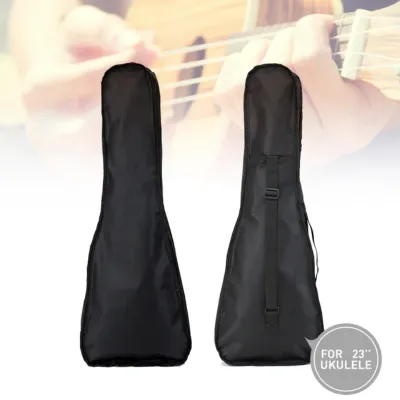
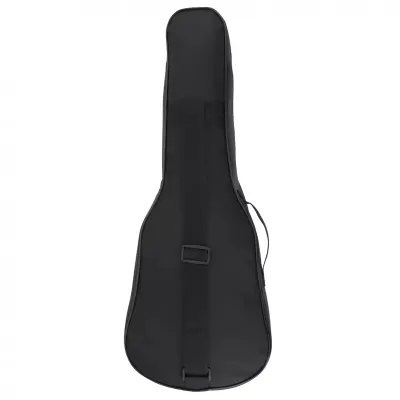
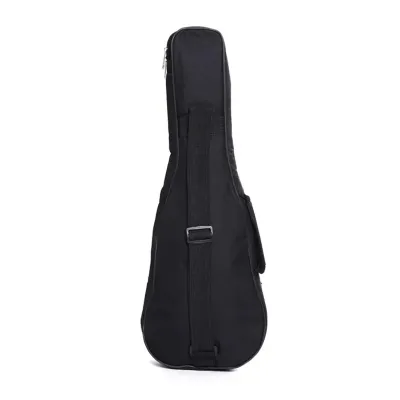
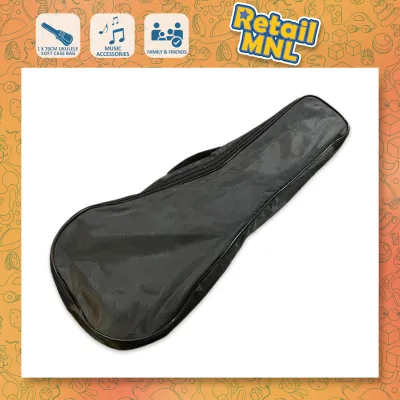

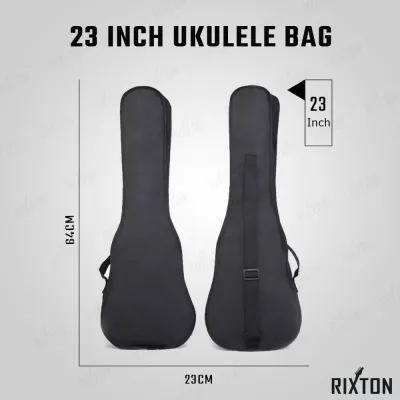

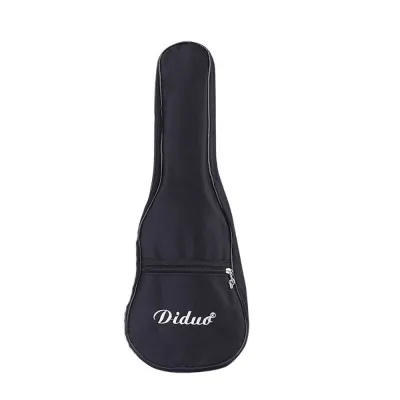
Prices are valid at publication and may change. Please refer to the product page for the latest price.
Your typical transport environment is another critical factor in this decision. If you rely on public transportation such as buses, trains, or tricycles, your instrument will be exposed to crowded spaces, sudden stops, and physical jostling. In these scenarios, a bag with thick, high-density foam padding or a rigid exterior is essential. For those who primarily travel in private vehicles, a lighter gig bag may suffice, though it still must offer adequate protection against sliding or shifting in the trunk or backseat.
Weather resistance is a non-negotiable consideration in a tropical climate. The Philippines experiences high relative humidity throughout the year, along with sudden, heavy rain showers. Excess moisture can cause the wood of your ukulele to swell, lifting the bridge, warping the neck, or weakening the glue joints. Look for bags made from water-resistant materials like high-denier nylon or polyester, and consider cases with rubberized zippers or protective rain covers.
Finally, balance your budget with your long-term protection needs. While it may be tempting to opt for the cheapest available option, investing in a durable, high-quality bag or case can save you from costly instrument repairs or replacements in the future. Consider how often you travel with your ukulele, the value of the instrument itself, and the level of risk it faces during your daily activities to determine the appropriate amount to spend on protection.
Soft Gig Bags vs. Hard Cases: Understanding Protection Levels
To make the best choice for your instrument, it is essential to understand the fundamental differences between soft gig bags and hard cases. Soft gig bags are typically made from woven fabrics like nylon, polyester, or canvas, and they rely on internal foam padding to absorb shocks. These bags are highly valued for their lightweight construction, flexibility, and ease of transport. They often feature backpack straps, making them incredibly convenient for students and casual players who need to carry their instruments over long distances or while riding bicycles or motorcycles. However, soft bags offer limited protection against crushing forces; if a heavy object is placed on top of a soft bag, or if it is stepped on in a crowded space, the instrument inside can easily be damaged.

Hard cases, on the other hand, feature a rigid outer shell made from materials such as wood covered in vinyl, ABS plastic, fiberglass, or carbon fiber. The interior is lined with thick foam and soft plush fabric, molded to fit the shape of the ukulele. This rigid structure provides superior protection against drops, heavy impacts, and crushing forces, making hard cases the preferred choice for high-end instruments, air travel, and situations where the case might be stacked under other gear. Additionally, hard cases offer a much tighter seal against the environment, helping to isolate the instrument from rapid changes in temperature and humidity.
The trade-off for this superior protection is weight and bulk. Hard cases are significantly heavier than soft gig bags and lack the flexibility to squeeze into tight spaces. They are also more cumbersome to carry, usually featuring only a single handle rather than backpack straps, which can make long walks or commutes more tiring.
When evaluating materials, consider their maintenance requirements. Soft bags made of synthetic nylon are highly resistant to tearing and can be easily spot-cleaned with a damp cloth. Canvas bags offer a classic aesthetic but can absorb moisture more readily if not treated with a water-resistant coating. ABS and fiberglass hard cases are exceptionally durable and easy to wipe clean, but they can show scratches and scuffs over time. Wooden hard cases covered in vinyl or faux leather offer a traditional look but require care to prevent the outer material from peeling or tearing in hot, humid conditions.
Matching Case Types to Your Playing Lifestyle
Your choice of a ukulele bag case should align closely with how and where you play your instrument. Different lifestyles demand different combinations of portability, durability, and storage capacity.
Daily Commuters and Students
For students taking their ukuleles to school or casual players commuting to local meetups, portability and convenience are paramount. A lightweight, well-padded gig bag is often the most practical choice. Look for bags equipped with adjustable, padded backpack straps that distribute the weight evenly across your shoulders, reducing fatigue during long walks or transit rides.
In addition to comfort, daily commuters need quick access to their accessories. Choose a bag with spacious exterior pockets that can securely hold a clip-on tuner, spare strings, picks, a cleaning cloth, and perhaps a small notebook or chord chart. A water-resistant exterior fabric, such as 600D polyester, is highly recommended to protect your instrument from sudden tropical downpours while walking between transit stops.
Gigging Musicians and Frequent Travelers
If you perform regularly on stage, travel between venues, or frequently take your instrument on flights, your ukulele faces a much higher level of risk. Gigging musicians require robust protection that can withstand the chaos of loading gear, crowded backstage areas, and the physical demands of travel.
For this lifestyle, a heavy-duty hybrid case or a premium hard-shell case is highly recommended. Hybrid cases combine the lightweight portability of a gig bag with the rigid protection of a hard case, often featuring dense EPS foam cores wrapped in durable, weather-resistant fabric. If you travel by air, ensure your case is sturdy enough to handle potential gate-checking, and always verify the dimensions against airline carry-on regulations to avoid being forced to check your instrument into the cargo hold.
Collectors and Long-Term Storage
For collectors or players who own valuable, vintage, or solid-wood ukuleles that spend most of their time at home, the primary goal is preservation. Solid-wood instruments are highly sensitive to environmental changes, and prolonged exposure to high humidity can cause the wood to warp, swell, or develop mold.
A traditional wooden hard-shell case with a plush, fitted interior is ideal for long-term storage. The plush lining prevents scratches to the instrument’s finish, while the rigid shell protects it from accidental knocks or falls at home. Crucially, a high-quality hard case provides a sealed environment where you can easily control the humidity. Placing silica gel packets or specialized two-way humidity control packs inside the case helps maintain a stable, safe moisture level, preserving the wood and glue joints for years to come.
Essential Features and Fit Checks Before Buying
Before purchasing a ukulele bag case, whether online or at a local music store in the Philippines, it is vital to perform a series of checks to ensure the product meets your needs and fits your instrument perfectly.
First, do not rely solely on generic size labels like “concert” or “tenor.” Different manufacturers have slightly different standards for these sizes. Measure your ukulele’s overall length, the width of the lower bout (the widest part of the body), the width of the upper bout, and the total depth of the body. Compare these measurements carefully with the internal dimensions provided by the case manufacturer. A proper fit should be snug but not tight; the instrument should not slide around inside, but you should not have to force it into the case.
Second, examine the level of neck support and headstock clearance. The neck is the most vulnerable part of a ukulele. A high-quality case or bag should feature a dedicated neck cradle, preferably with a hook-and-loop strap to secure the neck in place. This prevents the neck from flexing or breaking during an impact. Additionally, ensure there is sufficient clearance around the headstock. The tuning pegs should not press tightly against the sides of the case, as this can cause the instrument to go out of tune constantly and put unnecessary stress on the tuning gears.
Third, inspect the quality of the hardware, as this is often the first area to fail on a cheap bag. Zippers should be large, sturdy, and smooth to operate; double zippers are preferred so you can open the bag from either direction. Check the stitching around the handle and strap attachment points. These areas bear the full weight of the instrument and are subject to constant tension. Look for reinforced, double-stitched seams, or metal rivets on hard cases. If the bag uses backpack straps, ensure the attachment rings (D-rings) are made of metal rather than thin plastic, which can easily crack under stress.
Finally, look for protective bumpers or rubber feet on the bottom and sides of the case. These small features prevent the fabric or shell from making direct contact with wet or dirty ground when you set the case down, extending its lifespan and keeping your instrument clean.
Frequently Asked Questions (FAQ)
Can I take my ukulele as carry-on luggage on domestic flights?
Yes, you can generally take your ukulele as carry-on luggage on domestic flights in the Philippines, but policies can vary slightly between airlines such as Philippine Airlines and Cebu Pacific. Most airlines allow small musical instruments in the cabin as part of your hand luggage allowance, provided they fit within the overhead bin dimensions or under the seat in front of you.
To ensure a smooth travel experience, it is highly recommended to use a well-padded gig bag rather than a bulky hard case if you plan to keep the instrument in the cabin, as soft bags are easier to fit into tight overhead spaces. However, if the flight is fully booked and cabin space is limited, airline staff may require you to gate-check your instrument. In this scenario, having a rigid hard-shell case or a heavy-duty hybrid case is crucial to protect your ukulele from damage in the cargo hold. Always check your specific airline’s baggage policy before heading to the airport.
How do I clean and maintain a canvas ukulele gig bag?
Maintaining your canvas ukulele gig bag is essential to extend its lifespan and keep it looking fresh. Because canvas is a woven fabric, it can accumulate dust, dirt, and sweat from daily use, especially in hot and humid tropical conditions.
To clean your bag, start by removing the ukulele and all accessories from the pockets. Shake the bag upside down to remove any loose debris or crumbs from the interior. For the exterior, spot-clean dirty areas using a soft brush or cloth dipped in a mixture of lukewarm water and mild liquid soap. Avoid using harsh detergents or bleach, as these can damage the fabric fibers and strip away any water-resistant coatings.
Never submerge the gig bag in water or wash it in a washing machine, as this can ruin the internal foam padding and cause the bag to lose its shape. Once you have finished spot-cleaning, wipe down the area with a clean, damp cloth to remove any soap residue. Hang the bag in a well-ventilated, shaded area to dry completely before placing your ukulele back inside. Storing an instrument in a damp bag can lead to mold growth and damage the wood.
Community discussion
Share your experience or ask a question. Comments are reviewed before publication.