
Finding the perfect travel magazine subscription in the Philippines requires balancing your personal wanderlust with the practicalities of local availability, format preferences, and delivery logistics. Whether you are dreaming of pristine white-sand beaches in Palawan, planning a culinary tour through Southeast Asia, or seeking inspiration for long-haul European adventures, a well-curated publication serves as both an escape and a practical planning tool. To make an informed decision, you must evaluate how different editorial focuses align with your travel style, compare the long-term viability of print versus digital formats in a tropical climate, and navigate the specific subscription channels accessible to Filipino readers. By understanding these factors, you can secure a reliable source of high-quality travel journalism that fits your lifestyle and budget.
Identify Your Travel Content Preferences
Before committing to a subscription, it is essential to pinpoint the exact style of travel content that resonates with your personal aspirations and practical habits. Travel publications generally fall into distinct editorial niches, each catering to different mindsets. Luxury-focused magazines emphasize high-end resorts, fine dining, and exclusive experiences, making them ideal if you enjoy aspirational reading or premium itineraries. Conversely, budget and adventure-oriented publications focus on backpacking, off-the-beaten-path trails, eco-tourism, and cost-effective strategies, which are highly valuable for active explorers looking to maximize their resources. Cultural travel journals dive deep into local heritage, art, history, and community stories, offering a slower, more immersive perspective on global destinations.
Another critical factor is the geographic balance of the content. Some readers prefer publications that dedicate significant coverage to local Philippine destinations, highlighting hidden gems in the Visayas or weekend road trips across Luzon. Others seek international titles that open doors to global metropolises, exotic landscapes, and cross-border transit tips. If your goal is to plan immediate, accessible trips, a regional or domestic focus is highly practical. If you use reading time primarily for escapism or long-term planning for overseas holidays, an international publication with global reach will better serve your needs.
Products mentioned in this guide


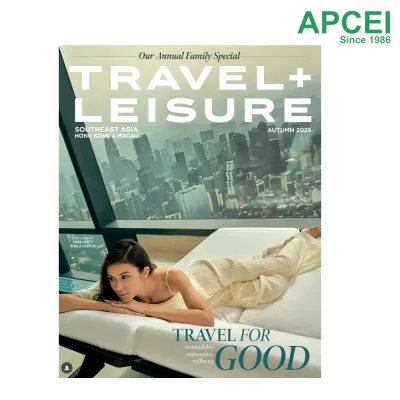
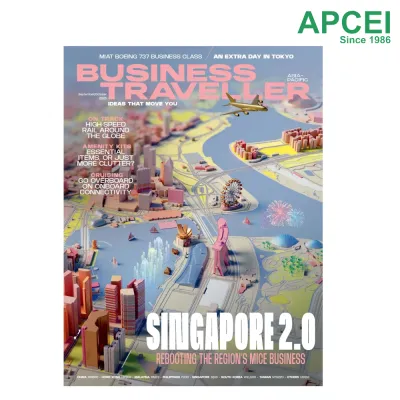
Prices are valid at publication and may change. Please refer to the product page for the latest price.
Finally, consider the presentation style that keeps you engaged. High-quality photography is a hallmark of premium travel media, transforming a simple magazine into a coffee-table centerpiece. However, if you value deep-dive storytelling, you should look for titles renowned for long-form literary journalism and cultural essays. For those who treat magazines as active manuals, prioritize publications that feature dense, highly practical directories, complete with booking tips, packing lists, and neighborhood maps. Identifying these preferences beforehand ensures you do not end up with a subscription that sits unread.
Print vs. Digital: Choosing the Right Format
Deciding between physical print copies and digital subscriptions involves weighing the sensory pleasure of reading against the realities of modern convenience and environmental factors. Print magazines offer a tactile experience that digital screens cannot replicate. The weight of the paper, the smell of the ink, and the vividness of large-format photography make physical issues highly collectible. For many, flipping through a physical magazine is a deliberate way to disconnect from daily digital screens. However, maintaining a print collection in the Philippines presents unique challenges. The country’s high relative humidity and tropical climate mean that paper is highly susceptible to moisture damage, mold, warping, and pests like silverfish. If you choose print, you must commit to storing your collection in well-ventilated, dry areas, or using sealed storage bins with silica gel packets to preserve the pages.

Digital formats, on the other hand, offer unmatched portability and searchability. A single tablet or smartphone can hold years of back issues, allowing you to carry an entire library of travel inspiration on a flight or a daily commute. Digital editions often feature interactive elements, such as clickable links to hotel websites, embedded video clips, and zoomable maps. They also eliminate the physical storage burden and the environmental footprint associated with paper production and shipping.
However, digital reading requires compatible devices and reliable internet access. High-resolution travel magazines are media-heavy, with single issues often exceeding several hundred megabytes. If you reside in or frequently travel to provincial areas in the Philippines where internet connectivity can be inconsistent, downloading these large files requires patience and a stable connection. You must also consider your device’s storage capacity and screen quality; reading an image-heavy layout on a small smartphone screen can be fatiguing compared to a dedicated tablet or e-reader. Evaluate your daily routine, device ownership, and local connectivity before deciding which format fits your lifestyle.
Where to Buy and Subscribe Locally
Once you have determined your preferred content and format, the next step is identifying secure and reliable channels to purchase single issues or establish recurring subscriptions in the Philippines. For digital subscriptions, the most direct route is often the official website of the publisher. Many international media groups offer direct digital subscriptions that grant access to their entire archive through proprietary apps. This direct relationship typically ensures the fastest access to new issues and simplified customer service.
If you prefer physical copies, local bookstore chains and specialty boutique shops remain the primary destination. Major book retailers in urban centers frequently import popular international travel titles, though availability can be inconsistent, and issues may arrive several weeks after their global release dates. Specialty newsstands and independent book importers are excellent alternatives for sourcing niche, independent travel journals that mainstream bookstores do not carry. Visiting these physical stores allows you to inspect the quality of the issue before purchasing, though single-copy retail prices are generally higher than subscription rates due to import costs.
For a broader digital selection, authorized digital newsstand applications are highly convenient. Platforms like Magzter, Readly, or PressReader operate on subscription models that allow users to access thousands of global magazines, including prominent travel titles, for a flat monthly fee. This is often the most cost-effective option for avid readers who consume multiple publications. When looking for physical back issues or individual copies online, utilize reputable online marketplaces and official distributor storefronts. Always verify the seller’s ratings and customer feedback to ensure you are purchasing genuine, authorized copies rather than unauthorized reprints or low-quality digital scans.
Pre-Purchase Checks for Subscriptions
To avoid subscription pitfalls, such as unexpected charges or undelivered issues, you must perform several essential checks before entering your payment details. First, verify the exact edition and language of the publication. Some global travel magazines publish regional editions (such as Asian, European, or North American editions). While these regional variations share core features, their localized advertisements, event listings, and specific destination focuses can differ significantly. Ensure the subscription you select matches the specific edition you intend to read.
Second, carefully review the financial terms of the subscription. Many digital and print services default to auto-renewal, meaning your payment method will be automatically charged at the end of each billing cycle. Check the cancellation policy to ensure you can easily opt out if your reading habits change. Pay close attention to the billing currency. While some platforms display prices in Philippine Pesos (₱), others bill in foreign currencies like US Dollars or British Pounds. If billing occurs in a foreign currency, your local bank or e-wallet provider may apply foreign transaction fees and currency conversion spreads, which can increase the overall cost of your subscription. Verify if your preferred local payment methods, such as local credit cards or popular e-wallets, are accepted without additional processing fees.
For physical print subscriptions, delivery logistics require careful scrutiny. International shipping to the Philippines can be subject to delays, customs inspections, and additional local postal fees. Confirm whether the subscription price includes door-to-door courier delivery or if the package will be sent via standard international mail, which may require you to collect the item from your local post office. If you live in a provincial address outside major metropolitan areas, check if the distributor’s courier network covers your location to prevent lost packages or prolonged delivery times.
Turning Magazine Inspiration into Travel Plans
A travel magazine subscription should be more than just a passive reading experience; it can serve as an active catalyst for your real-world adventures. When an article sparks your interest, use it as a foundation for building structured itineraries. For instance, a feature on a coastal province in Luzon or an island in the Visayas can inspire a weekend road trip or a long-weekend getaway. Use the recommended dining spots, boutique accommodations, and local activities as starting points, but always cross-reference them with current local conditions.
Because travel editorial cycles are planned months in advance, operational details can change between the writer’s visit and the publication date. Always verify that the featured hotels, restaurants, and tour operators are still active and operating under the same hours. Cross-reference magazine recommendations with official local government travel advisories, seasonal weather patterns (such as avoiding typhoon-prone regions during the wet season), and transport schedules.
To keep your ideas organized, develop a system for archiving inspiration. If you have a digital subscription, use screenshotting or built-in bookmarking features to save articles into categorized folders on your device. For print magazines, if you do not mind cutting the pages, you can create physical mood boards or travel binders. Alternatively, keep the magazines intact and maintain a digital index or spreadsheet listing the volume, page number, and destination of articles you wish to revisit. This systematic approach ensures that the beautiful destinations you read about eventually transition from the printed page into unforgettable personal journeys.
Frequently Asked Questions (FAQ)
Can I get a refund or replacement if my print magazine subscription is delayed?
If your physical magazine does not arrive within the expected delivery window, your first step should be to contact the publisher’s customer support or the local distributor through whom you purchased the subscription. Most reputable publishers have clear protocols for delayed or lost issues. You will need to provide your subscription account number, proof of payment, and your complete shipping address. Depending on the terms of service, publishers will typically offer to send a replacement copy of the missed issue at no additional charge, extend your subscription period by one month to compensate for the delay, or, in rare cases of persistent delivery failure to your region, offer a partial refund for the undelivered portion of your subscription.
Are digital travel magazines accessible offline?
Yes, most digital travel magazine platforms and proprietary publisher apps allow you to download entire issues for offline reading. This feature is incredibly useful for flights, long bus rides, or trips to remote areas with limited cellular coverage. To use this feature, you must open the application while connected to a stable Wi-Fi network and initiate the download of the specific issue. Keep in mind that high-quality travel magazines containing rich photography and interactive media can have large file sizes. Ensure your tablet, smartphone, or e-reader has sufficient available storage space before downloading multiple issues, and periodically clear older issues from your device’s cache to free up memory.
Community discussion
Share your experience or ask a question. Comments are reviewed before publication.