
Building a personal library of local literature is a deeply rewarding endeavor, and finding the best Tagalog and English novels from Precious Pages requires a careful understanding of your reading preferences, book formats, and purchase channels. As the most prominent publisher of mass-market fiction and romance in the Philippines, Precious Pages has shaped the country’s reading culture for decades. From classic pocketbooks that have kept commuters company on long bus rides to modern English contemporary novels that explore life in urban Manila, their catalog is incredibly diverse. Navigating this vast collection can be challenging, but focusing on key subgenres, linguistic styles, and physical editions will help you select books that offer genuine emotional resonance and lasting reading pleasure.
Understanding What Precious Pages Publishes
Precious Pages Corporation has established itself as an institution in Philippine popular literature, recognized primarily for making fiction accessible to the general public. Founded with the mission to provide affordable and engaging stories for everyday readers, the publisher’s flagship imprint, Precious Hearts Romances, became a household name by producing pocket-sized novels that captured the complexities of Filipino love, family, and social life. Over the years, the publisher has expanded its reach far beyond traditional romance, establishing a diverse portfolio of imprints that cater to various age groups, language preferences, and literary tastes. This expansion has allowed them to bridge the gap between traditional vernacular storytelling and contemporary English-language fiction.
The publisher’s dual-language approach is a deliberate strategy to serve different segments of the Philippine reading public. Their Tagalog publications, which include classic romance, drama, and historical fiction, rely on the emotional power of the native language to connect deeply with readers’ personal experiences and cultural values. In contrast, their English-language imprints focus on contemporary urban fiction, young adult stories, and modern coming-of-age narratives that appeal to readers who prefer English prose or enjoy stories with a more globalized perspective. By maintaining these parallel publishing tracks, the brand ensures that whether you are looking for a highly emotional Tagalog drama or a sleek, fast-paced English novel, there is a title designed specifically for your reading habits.
Products mentioned in this guide
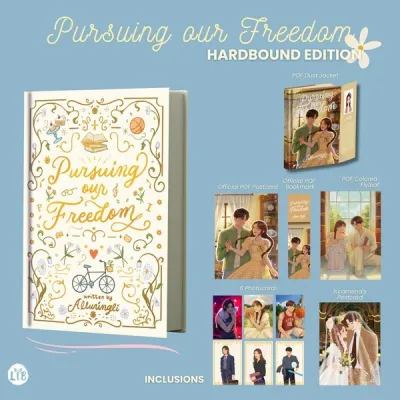
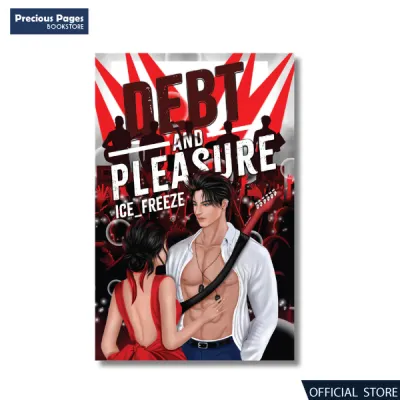
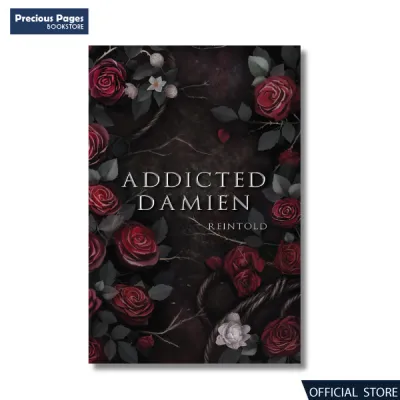
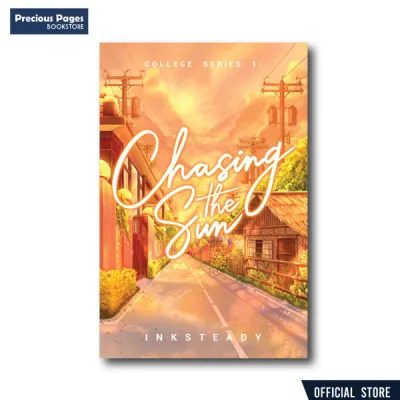
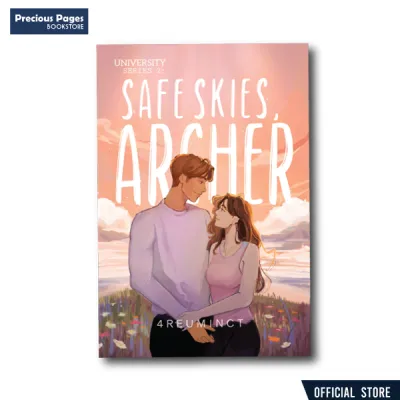
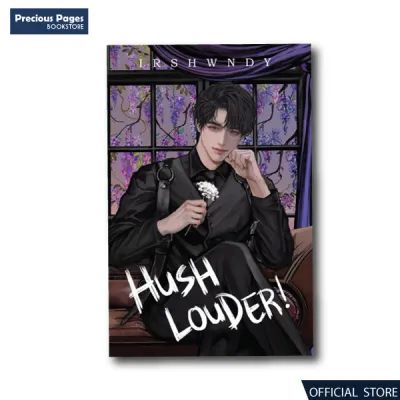
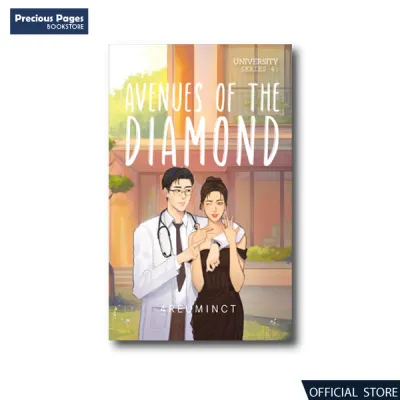
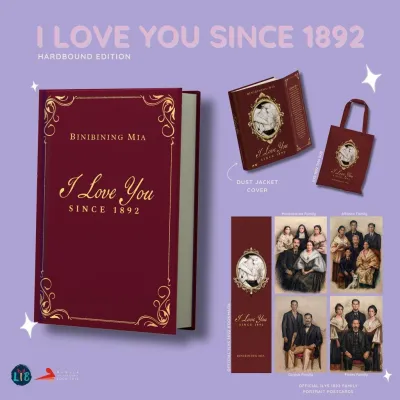
Prices are valid at publication and may change. Please refer to the product page for the latest price.
Beyond romance, the publisher’s catalog includes specialized genres such as suspense, horror, fantasy, and inspirational fiction. Each of these categories is designed to offer a distinct reading experience, utilizing familiar cultural motifs—such as local folklore, urban legends, and contemporary societal struggles—to ground the stories in a recognizable reality. Understanding this broad categorization is essential for any buyer, as it helps narrow down the search from thousands of available titles to a curated selection that aligns with your current mood or literary goals. Ultimately, finding the “best” novel from their collection is not about choosing the most popular title, but about identifying the specific genre, language, and format that match your personal reading journey.
How to Choose the Right Tagalog Novel for Your Taste
Selecting the perfect Tagalog novel from a catalog spanning thousands of titles requires a systematic approach to identifying your preferred themes and comfort level with the language. Because Tagalog fiction is deeply rooted in local cultural experiences, the stories often carry emotional weight and thematic depth that resonate strongly with readers familiar with Philippine society. To make an informed decision, you must evaluate both the thematic focus of the book and the specific linguistic style the author employs.

Identifying Your Preferred Romance and Drama Subgenres
The heart of Tagalog popular fiction lies in its diverse subgenres, each defined by specific tropes and narrative structures that cater to different emotional expectations. One of the most enduring themes is the class-divide romance, often featuring a wealthy landowner or a successful urban professional paired with a protagonist from a humble rural background. These stories, colloquially associated with the “haciendero” or “boss” tropes, explore the tensions between different social strata while delivering high-stakes romantic drama. If you enjoy stories that feature personal growth, family reconciliation, and the ultimate triumph of love over societal barriers, these classic narratives are an excellent starting point.
Another highly relevant subgenre is the overseas Filipino worker (OFW) narrative, which reflects the real-world experiences and sacrifices of millions of Filipino families. These novels blend romantic elements with the harsh realities of long-distance relationships, parental sacrifice, and the struggle to adapt to foreign environments. For readers seeking stories with high emotional stakes and realistic family dynamics, OFW dramas offer a profound and relatable reading experience that goes beyond simple escapism. Additionally, historical romances set during the Spanish colonial era or the early American period have gained significant traction, combining meticulous cultural backdrops with sweeping romantic narratives that appeal to history enthusiasts and drama lovers alike.
Evaluating Language Style and Readability
The linguistic landscape of Tagalog novels is highly varied, ranging from formal, highly literary Tagalog to conversational Taglish. Traditional pocketbooks and historical romances often utilize deep Tagalog (malalim na Tagalog), which features rich vocabulary, formal sentence structures, and poetic phrasing. Reading these books can be a deeply rewarding cultural experience, but it requires a high level of language proficiency and patience. If you are looking to improve your native language skills or appreciate classic Filipino prose, choosing books written in this formal style is highly recommended.
Conversely, contemporary Tagalog novels—especially those set in modern urban environments or aimed at younger readers—frequently employ conversational Taglish or local slang. This style mirrors the everyday speech of modern Filipinos, making the text highly accessible, fast-paced, and easy to digest during short reading sessions. Before making a purchase, it is highly advisable to read the back-cover synopsis, check online reader reviews, or preview the first few pages if you are buying in a physical bookstore. This simple check ensures that the book’s readability matches your personal preferences and reading speed, preventing frustration and ensuring a more enjoyable experience.
Finding the Best English Novels with Local Context
For readers who prefer English-language prose but still want stories that feel culturally relevant and grounded in local realities, the publisher’s English imprints offer a unique literary space. These novels combine the structural familiarity of Western contemporary fiction with authentic Filipino settings, values, and social contexts, creating a reading experience that is both globally accessible and locally resonant.
Local Contemporary and Urban Fiction
English-language contemporary fiction published by local houses often focuses on the lives of young professionals, urban college students, and modern families navigating life in major Philippine cities. These stories are set against recognizable backdrops, such as the high-pressure corporate offices of Makati, the trendy cafes of Quezon City, or the historic streets of Manila. By blending English narrative prose with local cultural nuances, these books explore themes such as career ambition, modern dating culture, the pressure of family expectations, and the search for personal identity in a rapidly changing society.
When browsing these titles, pay close attention to the book’s synopsis and the author’s background to ensure the story offers the depth of local context you desire. The best contemporary English novels from this publisher do not simply transplant Western plots into local settings; instead, they use the English language to dissect uniquely Filipino experiences, such as the complexities of extended family relationships, local holiday traditions, and the daily grind of urban life. This careful integration of language and culture provides a fresh perspective on local life, making these books highly appealing to both local readers and members of the global Filipino diaspora.
Young Adult and Coming-of-Age Stories
The young adult (YA) segment is another vibrant area within the publisher’s English-language catalog, offering stories that capture the unique experience of growing up in the Philippines. These novels typically center on high school or university life, exploring themes of academic pressure, peer relationships, first love, and the transition from adolescence to adulthood. What sets these local YA novels apart is their authentic depiction of Filipino youth culture, including the role of barkada (friendship groups), school festivals, local pop culture references, and the distinct academic environments of local universities.
To ensure a satisfying purchase, especially if you are buying a book as a gift, it is important to verify the target demographic and age-appropriateness of the title. While many YA novels are lighthearted and suitable for younger teenagers, some contemporary coming-of-age stories address more mature themes, such as mental health struggles, social inequality, and complex family conflicts. Checking the publisher’s age recommendations, searching for content warnings in online reader communities, and reviewing the book’s general themes will help you choose a novel that matches the reader’s maturity level and emotional readiness.
What to Verify Before You Buy: Editions, Formats, and Authenticity
Purchasing books in the modern marketplace requires a proactive approach to verifying product specifications and ensuring authenticity. Because the publisher’s catalog includes a wide range of formats, print runs, and editions, taking the time to verify these details before completing your transaction will protect you from receiving incorrect, incomplete, or counterfeit products.
Format and Medium The publisher offers books in several physical and digital formats, each catering to different reading habits and storage preferences. The classic physical format is the mass-market pocketbook, characterized by its compact size, lightweight newsprint pages, and affordable price point. While these are highly portable and perfect for casual reading, they require careful storage to prevent damage. For readers who prefer a more durable and premium reading experience, trade paperbacks offer larger page sizes, higher-quality cream or white paper, and sturdier covers. Hardcover editions are rare and typically reserved for special collector’s editions or highly popular anthologies.
It is crucial to remember that cover art is frequently updated across different print runs, and a modern, redesigned cover does not guarantee a revised text, a hardback format, or a specific paper quality. Always read the product specifications carefully to verify the physical dimensions, binding type, and page count. If you prefer digital reading, ensure that the e-book version you are purchasing is compatible with your specific e-reader or reading application, as digital file formats and digital rights management (DRM) restrictions can vary significantly across platforms.
Language and Translation Because some of the publisher’s most successful stories have been adapted into different languages or published in bilingual editions, verifying the language of the text is an essential step before buying. A common mistake among buyers is assuming the language of the book based solely on the title or the cover design. Some titles feature English names and marketing text but are written entirely in Tagalog, while others may be Taglish adaptations of originally English stories. To avoid disappointment, always check the language metadata in the product listing or read the book’s sample pages to confirm that the text matches your preferred reading language.
Content Completeness Many popular novels published by the brand are part of larger, interconnected series, multi-volume sagas, or collaborative writing projects where different authors write stories set in the same fictional universe. Before purchasing a book, verify whether it is a standalone novel, a specific volume in a chronological series, or an omnibus edition that compiles multiple shorter stories into a single volume. Checking the publication year and the edition number is also highly recommended, as this helps you avoid purchasing abridged versions, outdated prints, or unauthorized compilations that may omit crucial chapters or character epilogues.
Condition and Authenticity The physical preservation of books is a unique challenge in the tropical climate of the Philippines, where high humidity and ambient heat can accelerate the degradation of paper and glue. Authentic books from this publisher are manufactured using specific paper stocks and binding adhesives designed to withstand these environmental factors under normal storage conditions. In contrast, counterfeit or pirated books often use cheap, low-grade newsprint that warps, yellows, and emits a strong chemical odor when exposed to humidity.
To guarantee you are purchasing a genuine copy, inspect the book for official publisher marks, such as high-resolution logos, crisp cover typography, and a matching, scannable ISBN barcode on the back cover. Pirated copies are frequently characterized by blurry or pixelated cover images, misaligned text margins, unevenly cut pages, and weak binding glue that cracks easily upon opening. Purchasing authentic copies not only ensures a high-quality reading experience that will survive the local climate but also directly supports the authors and the creative community that produces these stories.
Where to Buy Authentic Copies in the Philippines
Securing genuine copies of your chosen novels requires purchasing from authorized retail channels and official distribution networks. By avoiding unverified third-party sellers, you protect yourself from counterfeit prints and ensure that your investment directly supports the local publishing industry.
Official Channels The most reliable way to purchase authentic books is directly through the publisher’s official retail outlets and online channels. The brand operates physical bookstore branches, commonly known as Precious Pages Bookstores, in major shopping malls across Metro Manila and other key urban centers. Visiting these physical branches allows you to inspect the books in person, check the paper quality, and browse a comprehensive inventory of both classic and newly released titles. For online shoppers, the publisher maintains an official e-commerce website that offers direct shipping nationwide, ensuring that you receive brand-new, genuine copies straight from their warehouse.
Authorized Retailers If you prefer to shop through established third-party retailers, national bookstore chains such as National Book Store are highly reliable sources for authentic publications. These established chains source their inventory directly from the publisher, guaranteeing product authenticity and proper storage conditions. Additionally, when shopping on major online marketplaces and ecommerce platforms, always look for the publisher’s official flagship store or authorized distributor accounts, which are typically marked with official mall or preferred seller badges. These verified digital storefronts offer secure payment options, reliable shipping, and official customer support.
Red Flags for Piracy When browsing online marketplaces, you must remain vigilant against unauthorized third-party sellers offering counterfeit books. The most obvious red flag is an unusually low price; if a book that typically retails for ₱150 to ₱300 is being offered for ₱30 to ₱50, it is highly likely a pirated or digital-to-print copy. Other red flags include listings that use low-resolution or generic cover images, sellers with poor ratings or numerous complaints about print quality, and descriptions that lack specific details about the book’s publisher, ISBN, or physical format. Avoiding these suspicious listings protects your personal information and guarantees a superior reading experience.
Frequently Asked Questions (FAQ)
Are Precious Pages novels available as e-books or audiobooks?
Yes, a significant portion of the publisher’s catalog is available in digital formats. You can purchase official e-books through their proprietary digital reading platforms, as well as major global e-book retailers. It is important to note that not all physical titles have digital counterparts, and audiobook availability remains limited to select highly popular releases. Before purchasing any digital file, verify that the format is fully compatible with your specific e-reader, tablet, or smartphone, and check if a specialized reading application is required to access the content.
How can I tell if a Precious Pages book is original or pirated?
An authentic book features sharp, high-resolution cover printing with vibrant colors, straight and centered text margins, and sturdy binding glue that holds the pages firmly together. Original copies are printed on consistent, high-quality cream or white paper, whereas counterfeit versions often use thin, grey, unevenly cut newsprint that smells strongly of cheap industrial ink. Additionally, genuine books always display the official publisher logo clearly on the cover and spine, accompanied by a clean, scannable ISBN barcode on the back cover.
Do Precious Pages English novels contain Taglish or local slang?
While the narrative prose and descriptive passages in these novels are written in standard English, the dialogue between characters often incorporates Taglish, local slang, or specific Filipino terms. This linguistic blend is a deliberate choice by authors to ensure that the characters’ conversations sound authentic and reflect the real-world communication style of modern Filipinos. If you prefer a reading experience that strictly adheres to standard English without any localized slang or bilingual dialogue, it is highly recommended to read online previews or check reader reviews before purchasing.
Community discussion
Share your experience or ask a question. Comments are reviewed before publication.